November 12th 2025

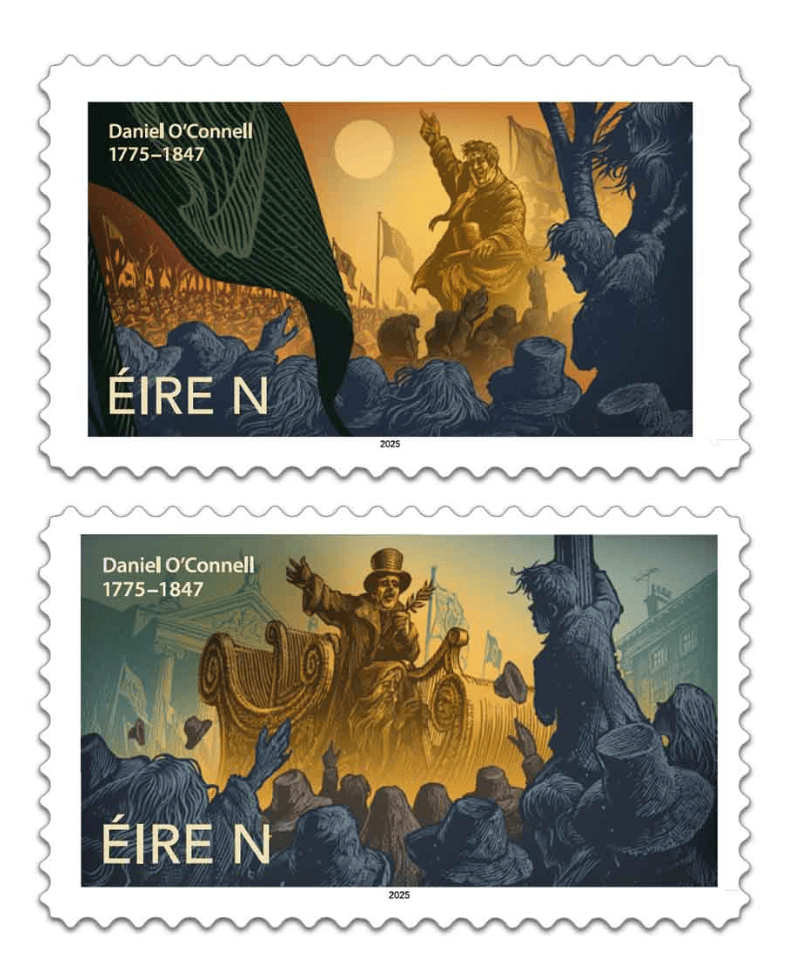
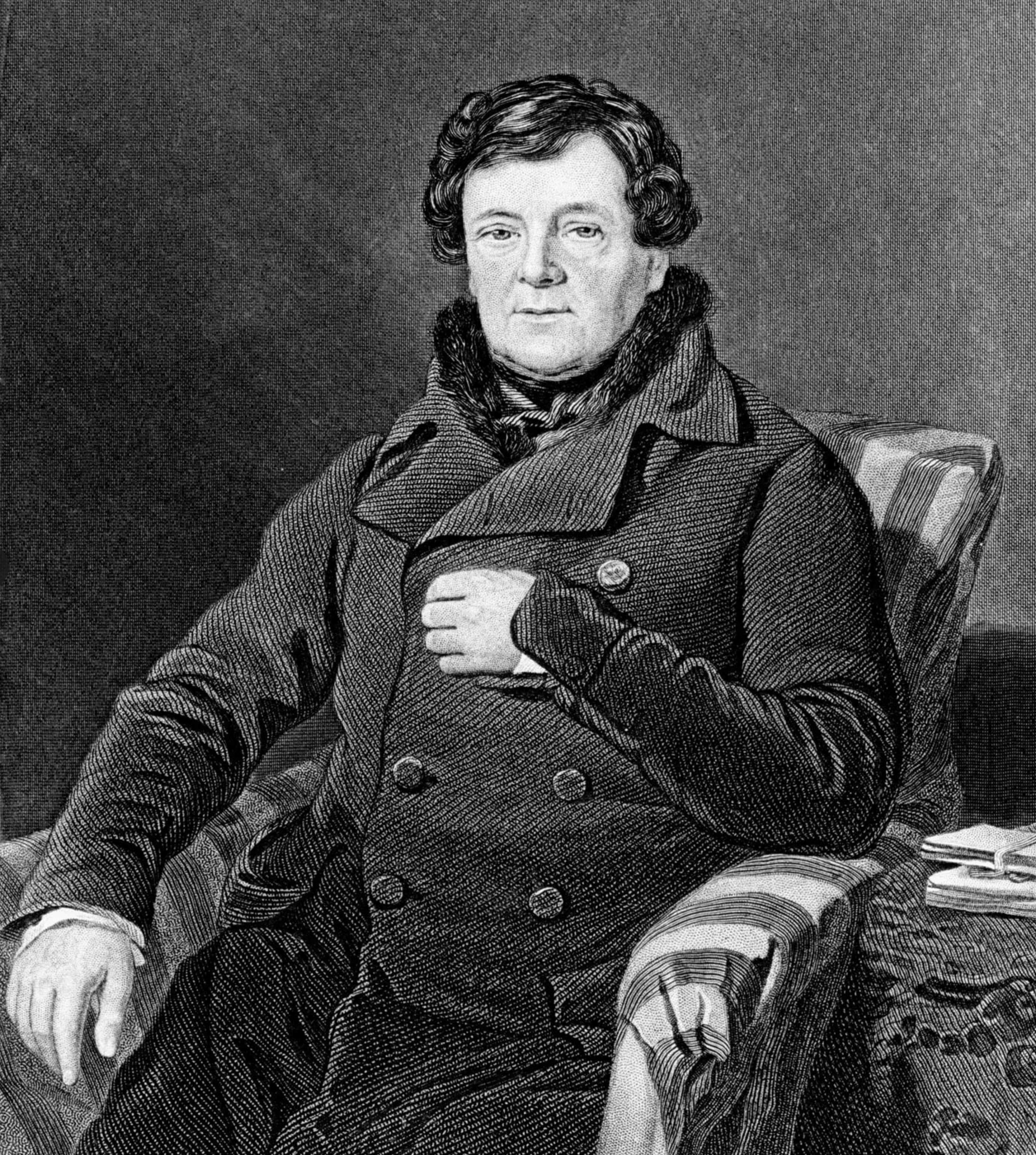
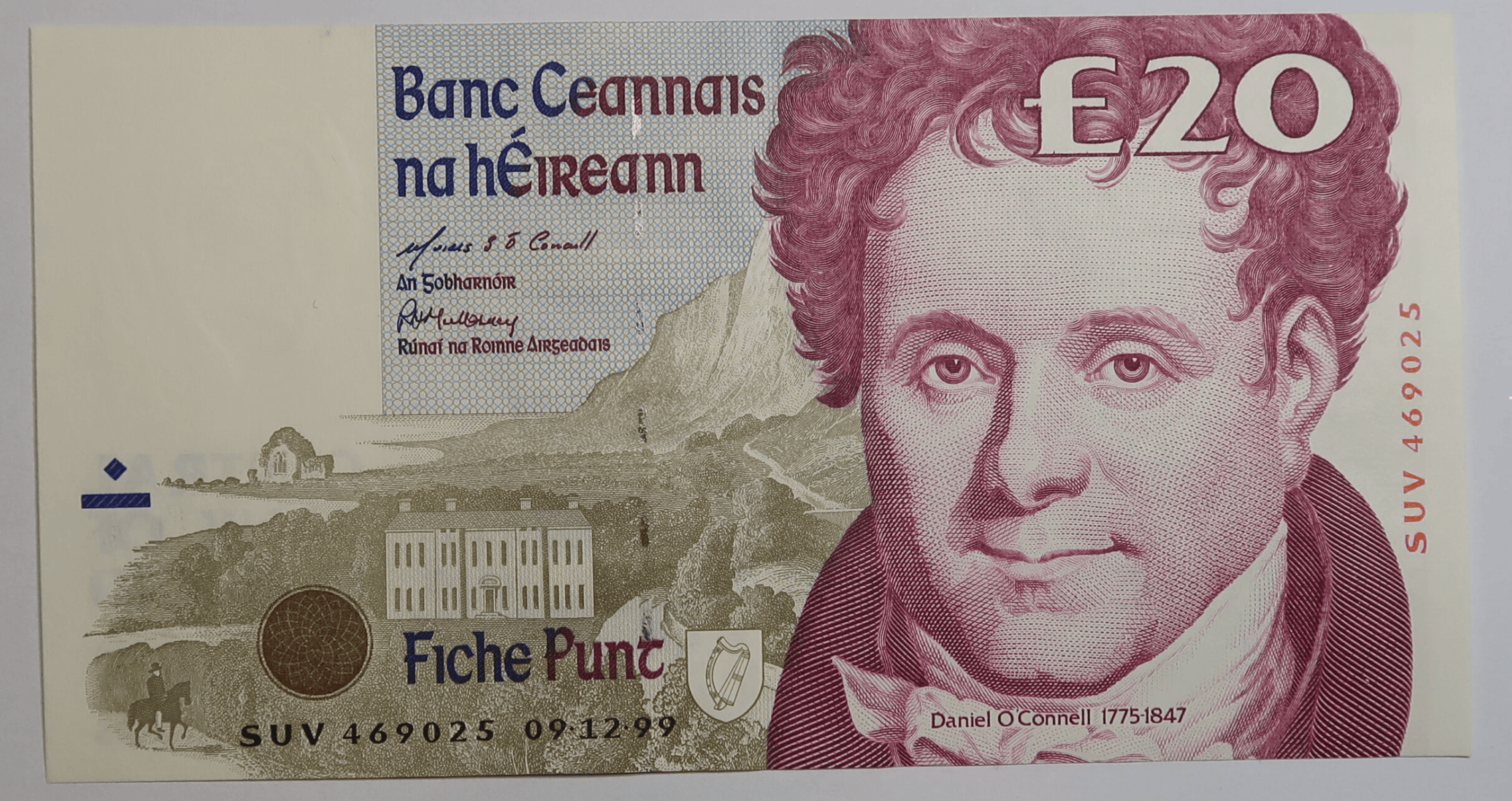
Title: Daniel O’ Connell 1775 – 1847
Speaker: Patrick Geoghegan, Professor of History at Trinity College.
Presentation: 40 min. video followed by 10-15 mins. discussion.
Time: @ 7:45 PM
Location: Iona Pastoral Centre


Dear members,
This should be an interesting format so do attend. 

Attendance at the last talk was a little down, hence the takings of the evening did not cover the costs. A considerable number of subs have not yet been renewed.

Looking forward to seeing you all.
Thanking you,
Aoife     

Subs: €20 individual, €30 couples. No cheques please.
Money in named envelope.
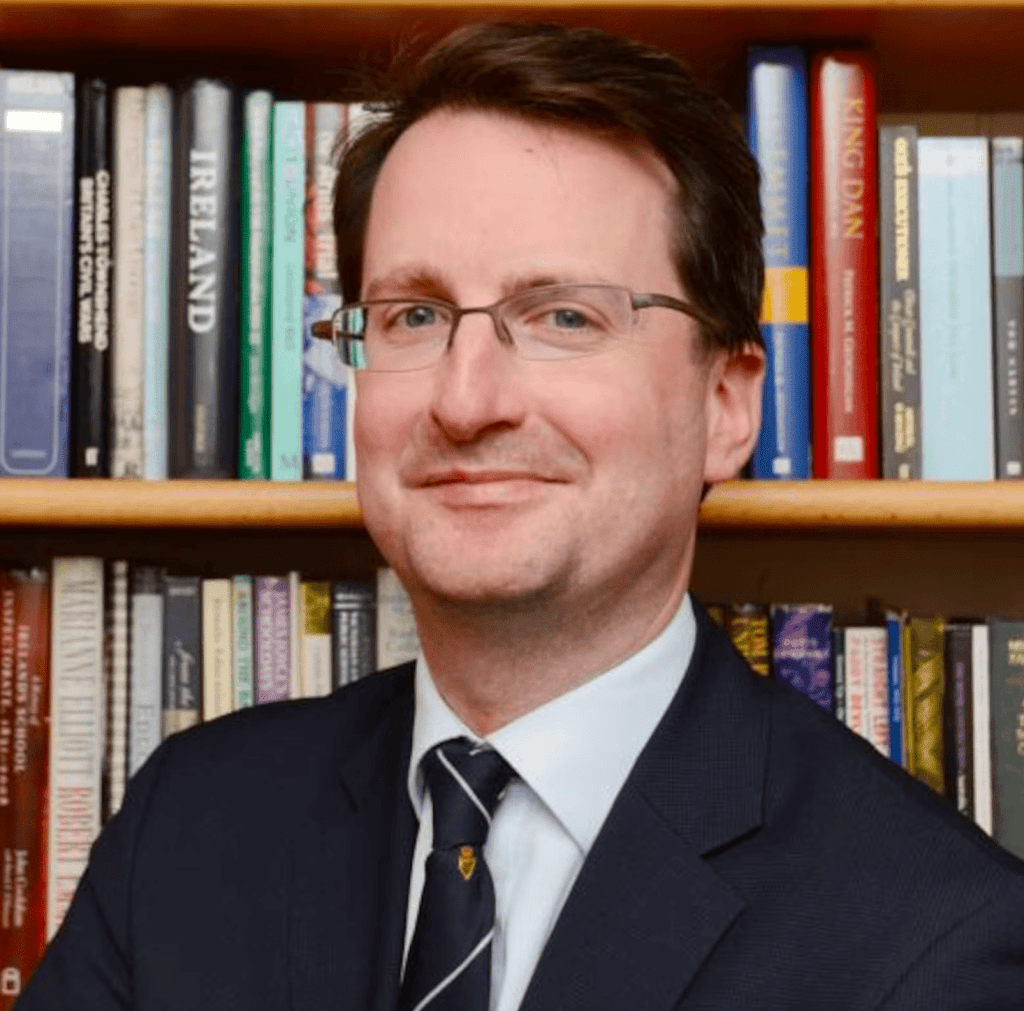

Prof. Patrick Geoghegan – Trinity College Dublin

Professor Patrick Geoghegan is a leading historian at Trinity College Dublin, specializing in eighteenth and nineteenth century Ireland, particularly the Anglo-Irish relationship during this period. He has authored five monographs focusing on key historical figures and events such as the Irish Act of Union, the Robert Emmet rebellion, and Daniel O’Connell’s political and legal career, reshaping views on constitutional nationalism and republicanism. He has been teaching at Trinity since 2001 and is noted for innovative teaching methods, winning the Provost’s Teaching Award in 2009.

He has contributed extensively to public history and outreach, presenting the award-winning “Talking History” on Newstalk radio, which is widely popular in Ireland. He also wrote the text for the multi-award-winning O’Connell exhibition at Glasnevin Cemetery. Beyond teaching, he served as Senior Lecturer/Dean of Undergraduate Studies at Trinity, where he developed new admissions policies and outreach programs, including one to increase students from Northern Ireland.

In 2025, Professor Geoghegan was appointed Director of the Trinity Long Room Hub Arts and Humanities Research Institute, a key position showcasing his leadership in humanities research. He is also a Vice-President of the Irish Legal History Society and the College Historical Society, where he has been commissioned to write a history for its 250th anniversary.

Source: perplexity Ai

IMAGE GALLERY: Please click on an image to open the gallery.Then use the right & left arrows to move forwards or backwards through the images. Please allow a moment or two for the images to load in your browser.
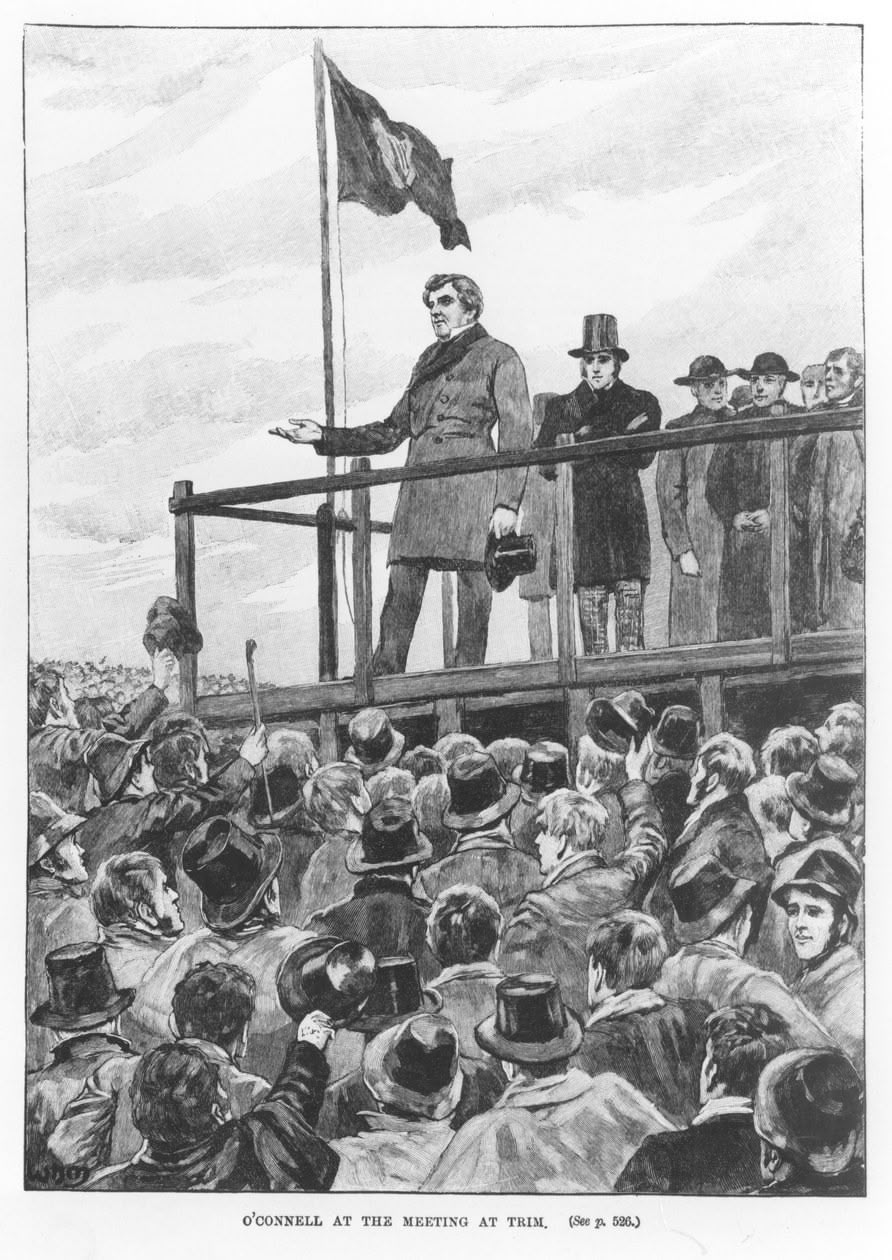

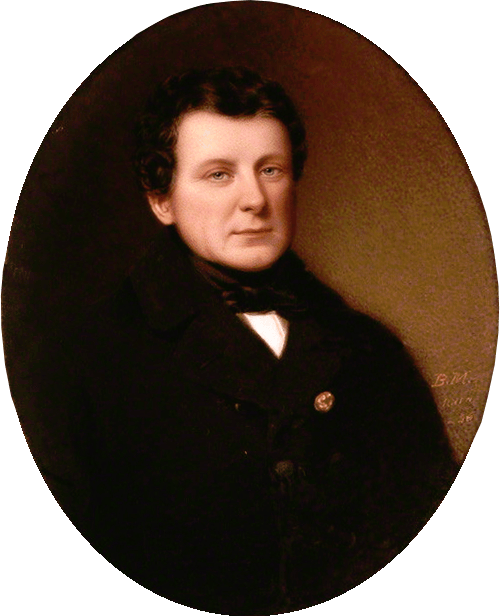
Daniel O’Connell (1775–1847), known as “The Liberator,” was a pivotal Irish political leader and lawyer who championed the rights of Ireland’s Roman Catholic majority in the early 19th century. He is most famous for leading the campaign for Catholic Emancipation, which culminated in 1829 with the right of Catholics to sit in the British Parliament after over a century of exclusion under the Penal Laws. O’Connell founded the Catholic Association in 1823, mobilizing mass grassroots support across Ireland through peaceful, legal means to achieve this emancipation.

Born near Cahersiveen in County Kerry to a Catholic farming family, O’Connell was adopted by a wealthy uncle and educated in France and later in law in England and Ireland. His experiences during the French Revolution shaped his firm commitment to non-violence in political struggle. After the 1801 Act of Union abolished the Irish Parliament, O’Connell sought to repeal this union to restore Irish legislative independence, but despite his efforts and leadership of Irish MPs in Westminster, this goal was not achieved.

O’Connell’s political career included advocating for broader liberal reforms such as the abolition of slavery, rights for Jews and other minorities, penal reform, trade union rights, and secret voting. He was the first Catholic Lord Mayor of Dublin since the late 17th century. Despite setbacks including imprisonment in 1843, his campaign style—mass meetings known as “monster meetings”—influenced political mobilization beyond Ireland.

He died in 1847 in Genoa, Italy. O’Connell remains a complex and highly influential figure in Irish history, hailed for his non-violent activism and political achievements while also facing criticism and internal divisions within his movement in later years. His legacy endures in Irish public life, including the naming of Dublin’s main street, O’Connell Street, in his honour.​

References:

  1. https://en.wikipedia.org/wiki/Daniel_O’Connell
  2. https://www.dctrust.ie/sites/admin/plugins/elfinder/files/dct/Education%20
    Resources/1.7.Daniel%20OConnell%20Factsheet%20.pdf
  3. https://www.britannica.com/biography/Daniel-OConnell
  4. https://www.natwestgroup.com/heritage/people/daniel-o-connell.html
  5. https://www.nli.ie/news-stories/news/marking-250-years-birth-daniel-oconnell
  6. https://askaboutireland.ie/learning-zone/primary-students/subjects/history/history-the-full-story/ireland-in-the-19th-centu/famous-irish-people/
  7. https://www.rte.ie/brainstorm/2025/0806/1071599-who-was-the-real-daniel-oconnell/
  8. https://www.clarelibrary.ie/eolas/coclare/people/daniel.htm
  9. https://www.dib.ie/biography/oconnell-daniel-a6555

Source: perpleixity.ai


Quote from a letter to Isaac Goldsmid dated 11 September 1829, O’Connell wrote:

“To my mind it is an eternal and universal truth that we are responsible to God alone for our religious belief — and that human laws are impious when they attempt to control the exercise of those acts of individual and general devotion which such belief requires.”

He expressed the view that religious belief is a matter solely between an individual and God, and condemned any human laws trying to govern such belief as blasphemous and tyrannical. This quote is part of his advocacy for freedom of conscience and civil rights for Jews, among others.
Source: wikiquote


Prof. Patrick Geoghegan Icon Lecture Series – The Little Museum of Dublin

Talk Main Themes & Points

  • Daniel O’Connell’s Legacy: Geoghegan recounts O’Connell’s pivotal role in Irish history as a champion of Catholic emancipation, civil rights, and peaceful resistance.
  • Statues and Symbolism: The talk begins with a reflection on the O’Connell statue in Dublin and the challenge of further commemorating his legacy.
  • Political Achievements: O’Connell was the first Catholic Lord Mayor in almost 150 years (1841), achieved emancipation in the 1820s, and represented multiple constituencies, notably Dublin City.
  • International Recognition: O’Connell’s support for abolition drew the praise of figures like Frederick Douglass and criticism from American slave owners. He spoke passionately against slavery, earning an international reputation for moral leadership.
  • Courtroom Bravery: Anecdotes show O’Connell confronting judges and legal adversaries, making himself a symbol of resistance for Irish Catholics repressed under British rule.
  • Dueling Controversies: Geoghegan discusses how O’Connell was both involved in and criticized for avoiding duels, highlighting his evolving rejection of violence.
  • Faith & Personal Struggles: O’Connell’s return to Catholic practice, moral wrestling over his actions, and efforts to maintain integrity amid controversies (such as financial quarrels and confrontations with Young Ireland).
  • Mass Movements & Reforms: His democratization of activism—crowdsourcing through penny subscriptions—and leadership of non-violent “monster meetings” are described as revolutionary for Irish self-determination.
  • Peaceful Revolution: O’Connell’s decision to cancel potentially violent protests, his subsequent trial and imprisonment, and the mass public support illuminate his commitment to change by peaceful means.
  • Impact & Reflection: The lecture closes with reflection on the modern reassessment of O’Connell, arguing his civil rights victories laid the foundation for Irish nationhood, and calling for further recognition of his legacy.

Source: perplexity.ai


October 8th 2025

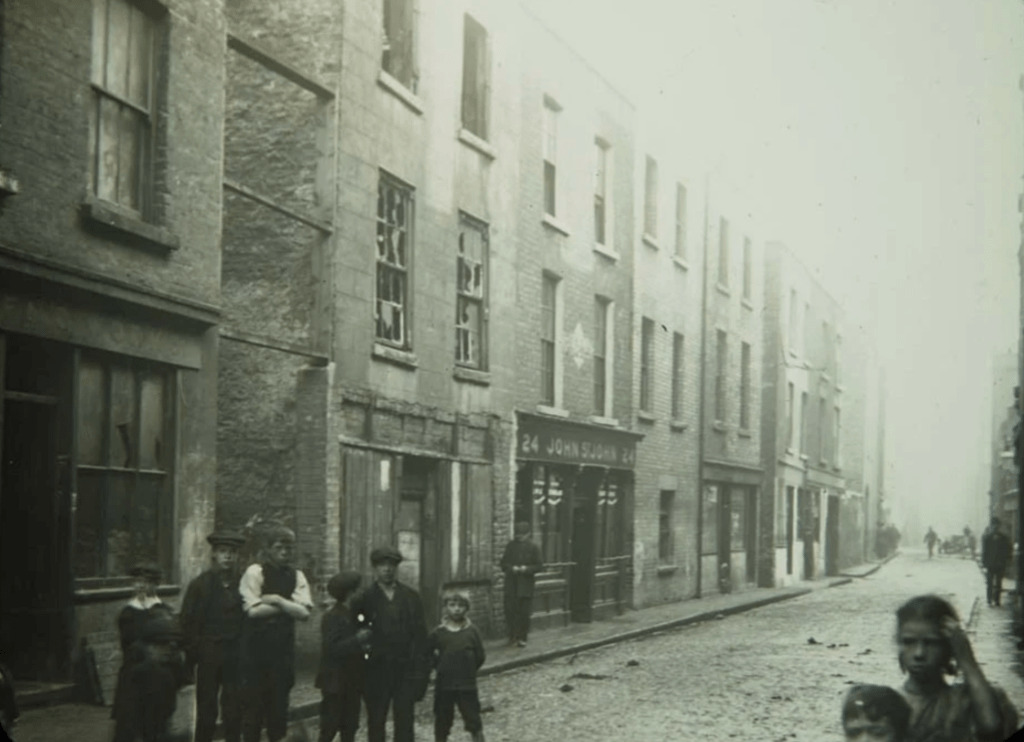
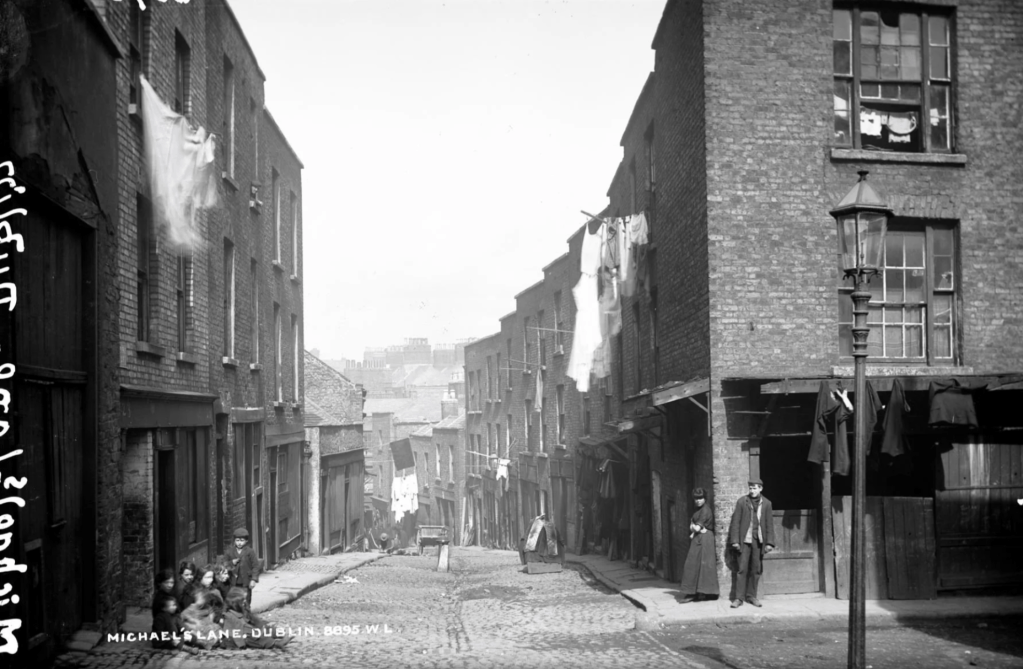
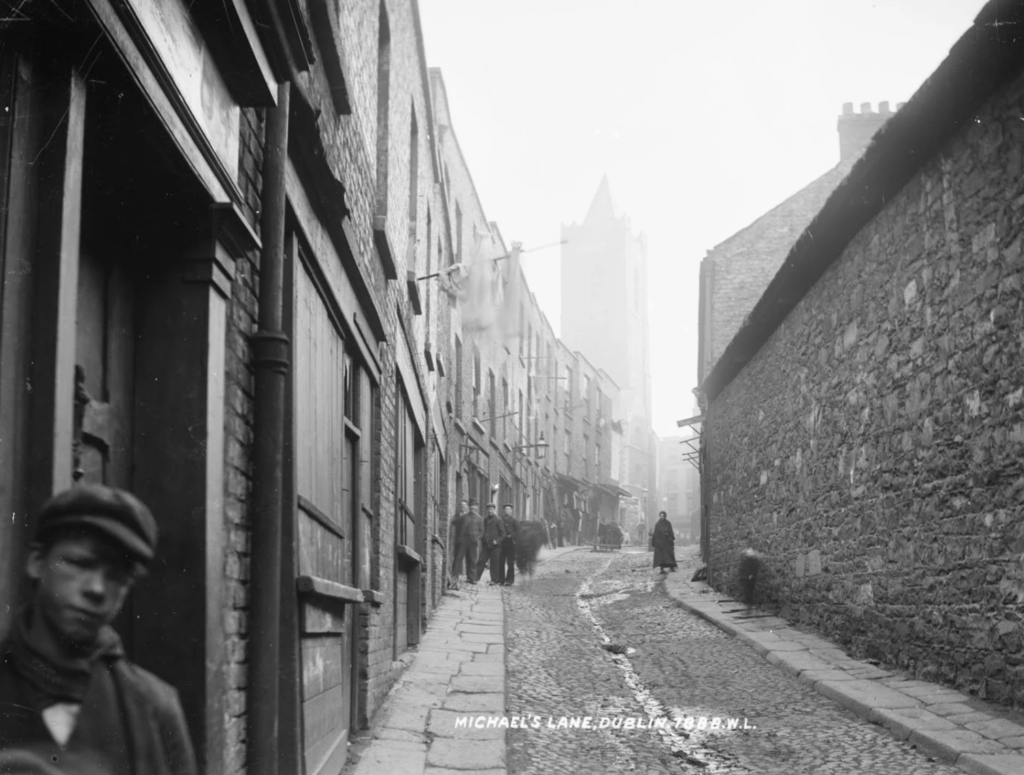
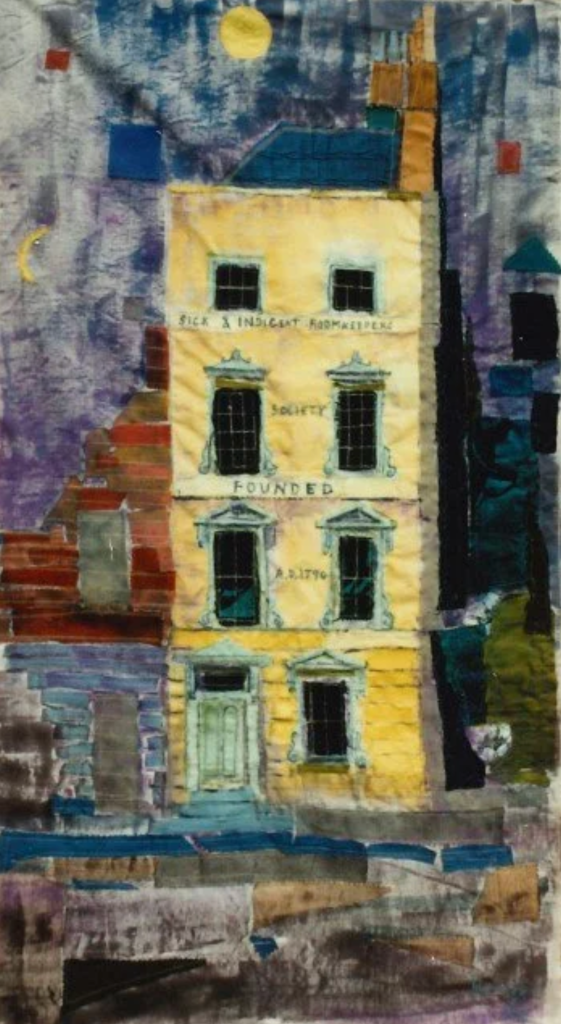
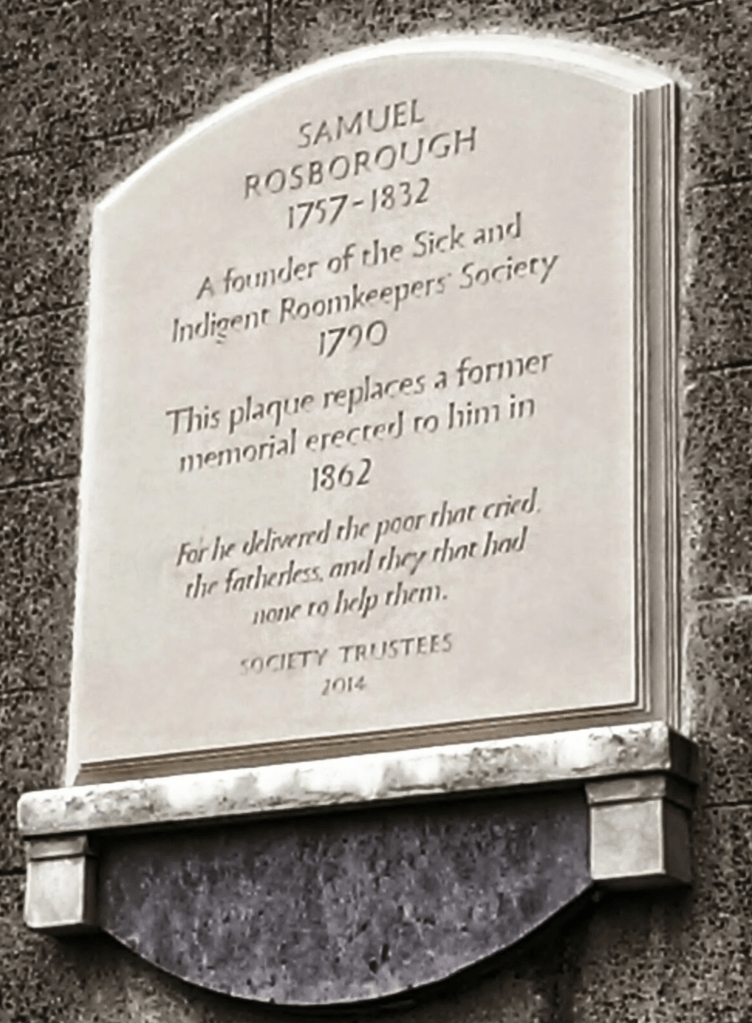
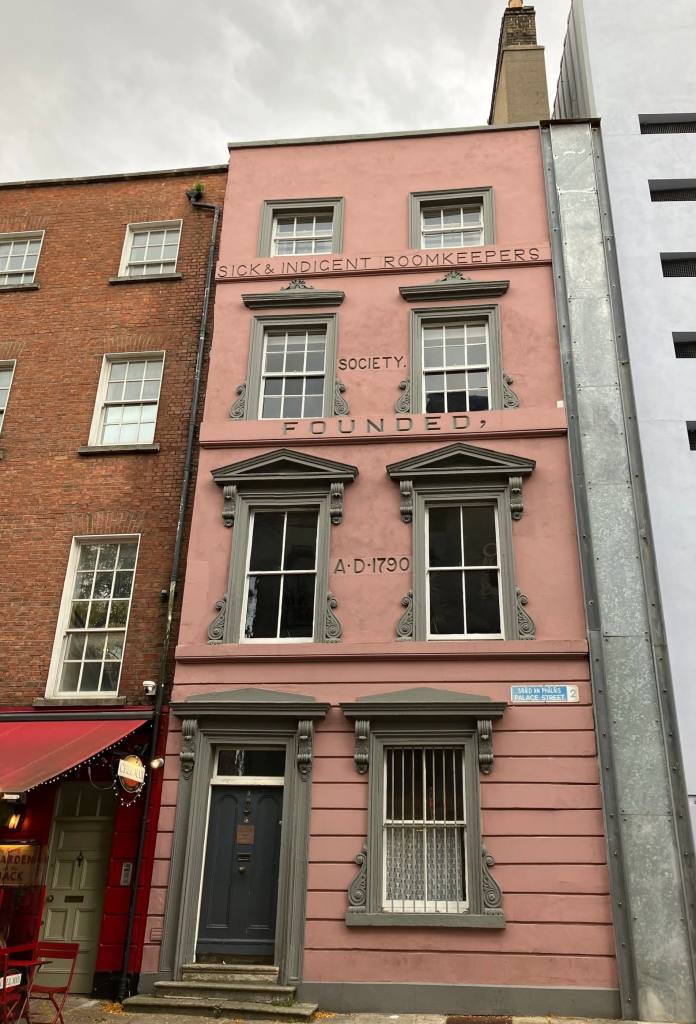
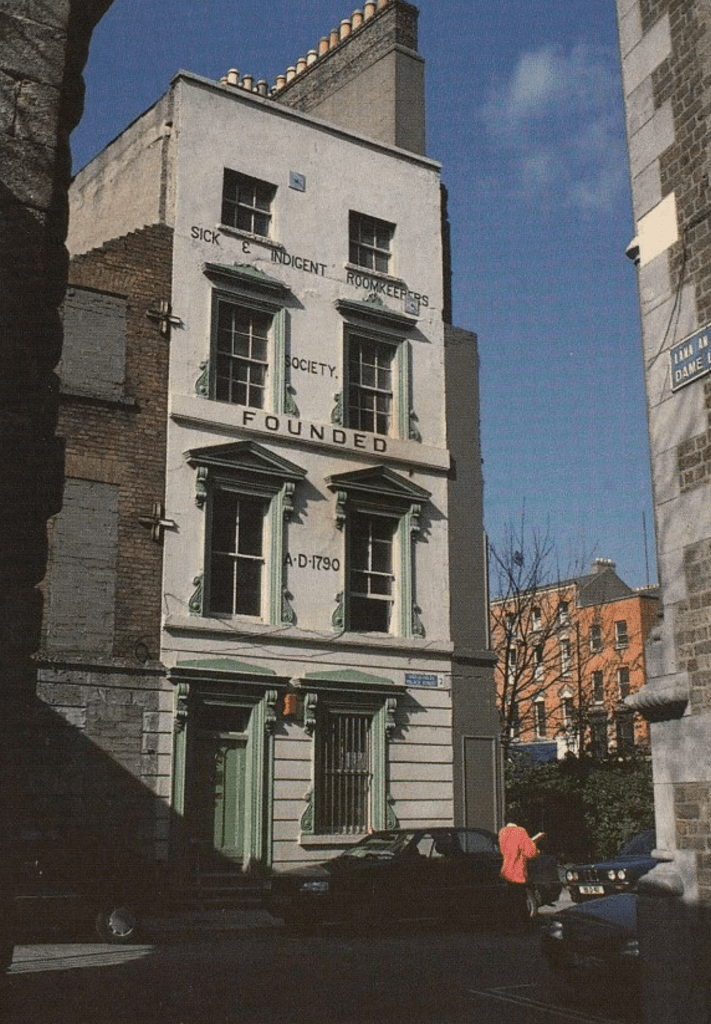
Title: The Sick and Indigent Roomkeepers Society
Speaker: Felix Larkin.
Time: @ 7:45 PM – AGM at 7:30 pm
Location: Iona Pastoral Centre

Dear members,
The agenda will start at 7.30 p.m. on Wednesday. The A.G.M. is:

  • Chairperson’s Introduction
  • Secretary’s report
  • Treasurer’s report
  • Proposals for talks this season
  • Suggestions for summer outing 
  • A.O.B.

Many thanks to all the committee for all their support during the year and a big thank you to the Iona Centre and all the staff there.
Thanking you,
Aoife     

Subs also due at this time,€20 individual, €30 couples. no cheques please
money in named envelope


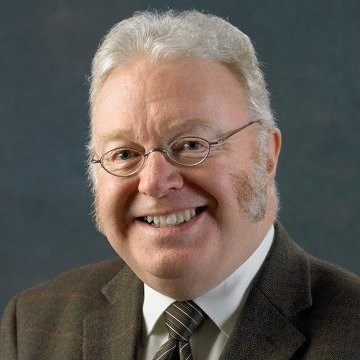
Felix M. Larkin
Img. LinkedIn.com

Historian & former public servant
Fellow of the Royal Historical Society (FRHistS)
Treasurer, Irish Committee of Historical Sciences
Former chairman, An Post Philatelic Committee (2016-24)
Former academic director, Ivy Day Symposium (2022 & 2024)
Former chairman, Sick and Indigent Roomkeepers Society (2012-16)
Former academic director, Parnell Summer School (2013-15)
Former chairman, Newspaper and Periodical History Forum of Ireland (2010-13)


IMAGE GALLERY: Please click on an image to open the gallery.Then use the right & left arrows to move forwards or backwards through the images. Please allow a moment or two for the images to load in your browser.

SIRKS – The Sick and Indigent Roomkeepers Society

The Sick and Indigent Roomkeepers Society, founded in 1790, is Dublin’s oldest surviving charity and has been providing temporary relief to the destitute poor at their own lodgings for over two centuries Historian Felix M. Larkin, a trustee of the Society, has been instrumental in its recent activities and public outreach. He served as the Society’s chairman from 2012 to 2016 and has continued to contribute as a director, stepping back into the chairman role briefly before handing over to Colette O’Daly Larkin has given lectures on the Society’s history and mission, including the opening Dublin charities & homelessness lecture at Christ Church Cathedral in the Irish capital. The Society, which originally focused on the parish of St Michan and expanded its reach in 1793, operates through four divisions and has historically relied on subscriptions, donations, and charity sermons for funding. Larkin has emphasised the Society’s focus on helping individuals facing temporary hardship, such as those burdened by unpaid utility bills, to prevent long-term cycles of poverty. The Society aims to celebrate its 250th anniversary in 2040, with ongoing efforts to secure its future through public support.

AI-generated answer (Leo Ai). Please verify critical facts.


If interested Felix M. Martin has given another talk on YouTube entitled ‘The Safety Valve of a Nation: Dublin Opinion Magazine 1922 – 1968′.


September 10th 2025

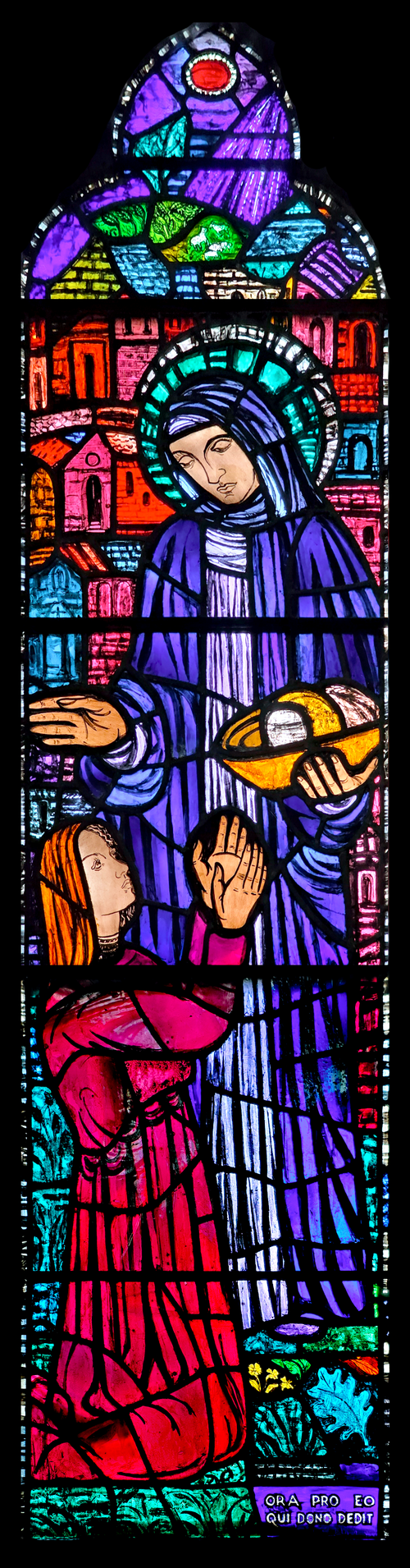
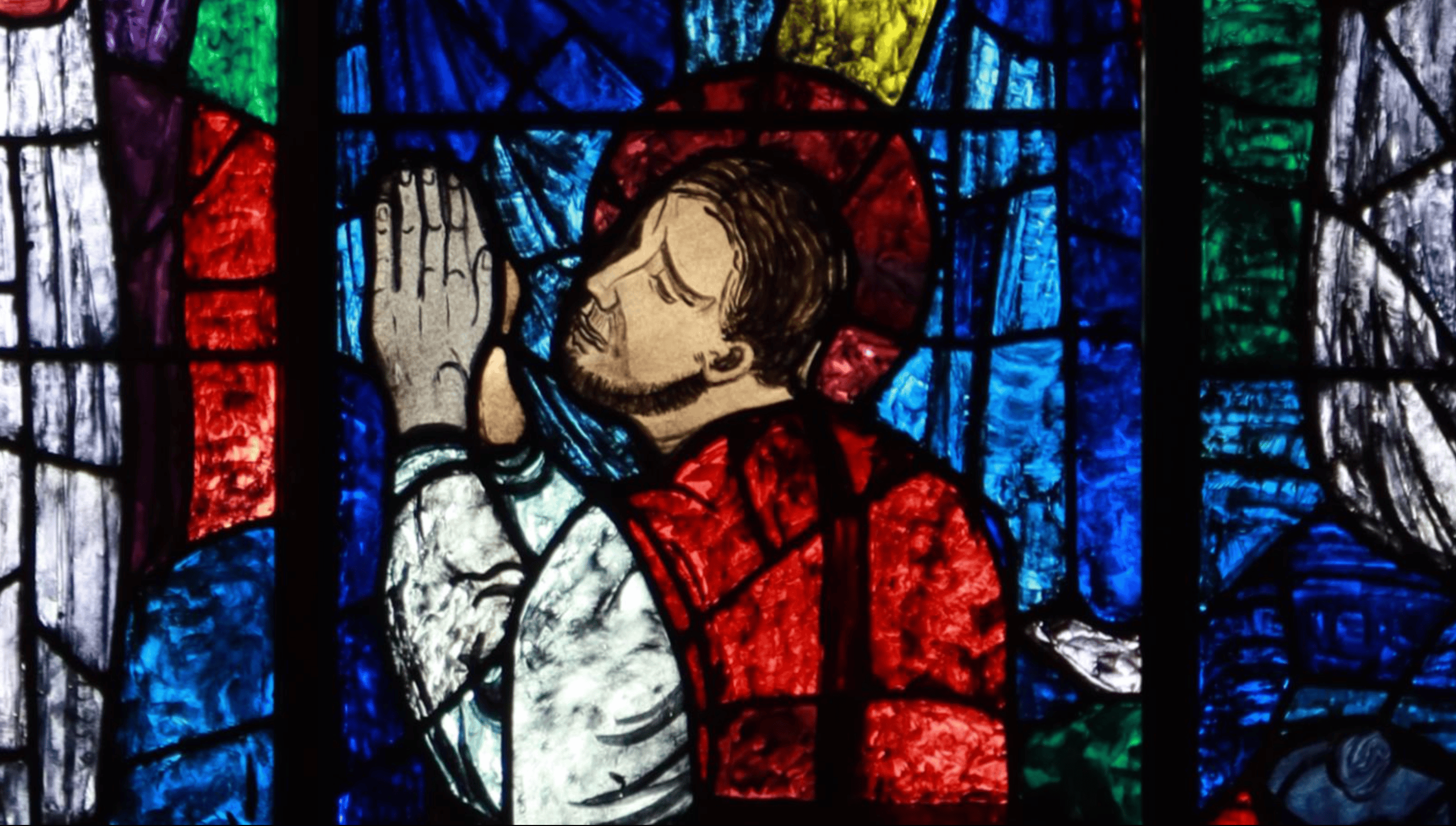
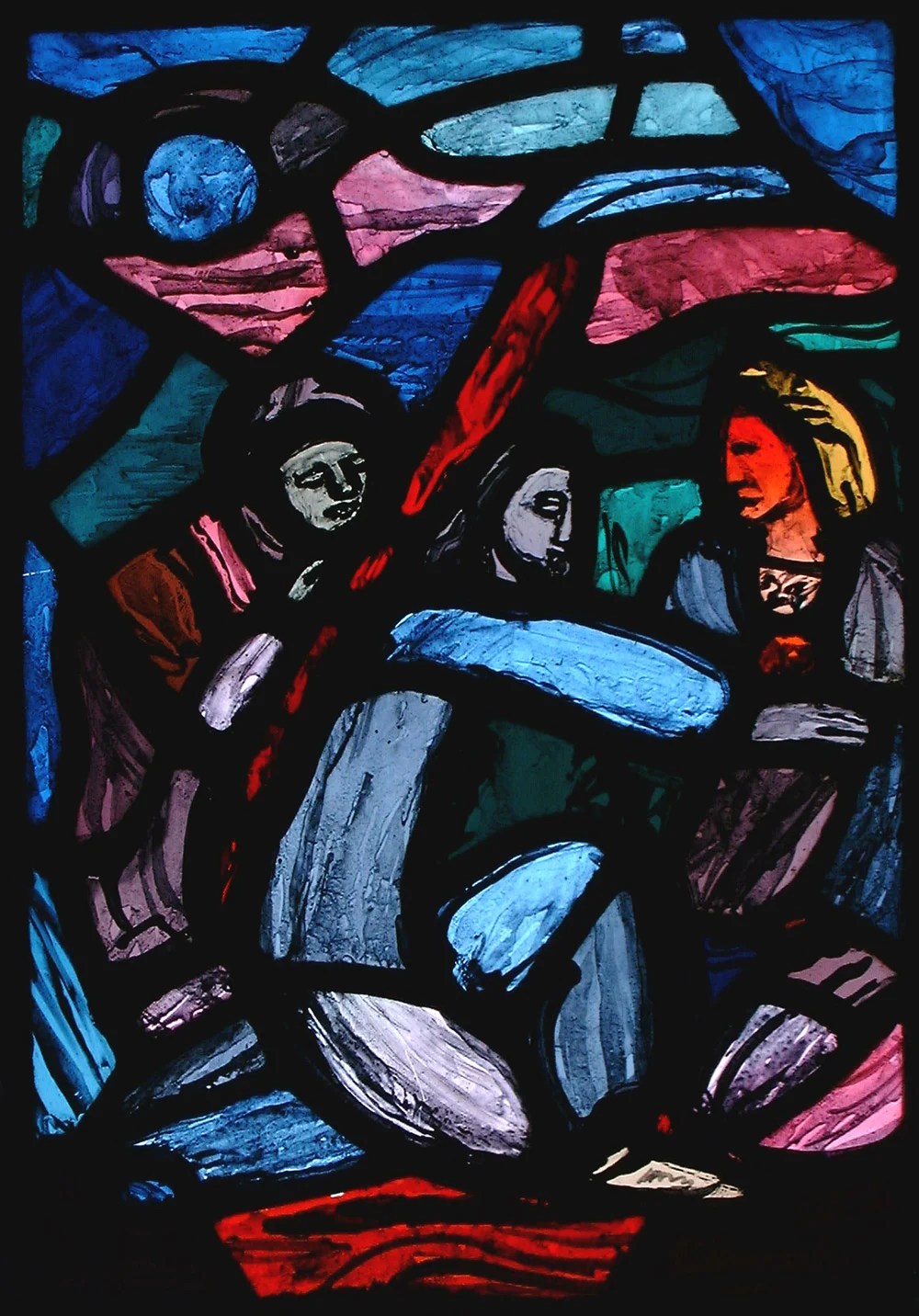
Title:  ‘EVIE HONE, Stained Glass Artist of Marlay.
Speaker:  Peadar Curran
Time: @ 7:45 PM
Location: Iona Pastoral Centre

Peadar Curran image: afloat.ie

About: Peadar Curran

Peadar Curren grew up in Dalkey and he has had a lifelong interest in the history of the locality. He has lectured extensively on the subject to several local history societies of which he is a member. He observed the archaeological excavations on Dalkey Island in the 1950s and he was a graduate of the Lord Mayor’s Local History course in 2016.

He frequently gives talks and leads discussions on the history and heritage of Marlay Park and its surrounding areas. He has delivered presentations on various aspects of Marlay Park, including its often overlooked features and historical development from a medieval grange to a Regency-era walled demesne, and later its transformation into a public park.

Curran has also explored the connections of notable figures to Marlay House, such as the stained-glass artist Evie Hone, who lived in the Dower House on the estate and established her studio in Marlay House. His presentations often focus on built heritage elements such as entrance gates, bridges with unique keystone motifs, and the history of the La Touche family’s mausoleum.

AI-generated answer. Sources below.

Sources:
https://www.eventbrite.com/e/evie-hone-stained-glass-artist-of-marlay-tickets-1359034521839
https://www.irishexaminer.com/lifestyle/artsandculture/arid-41671469.html
https://www.dlrcoco.ie/dlr-events/event/walk-marlay-talk-peadar-curran
https://www.dlrcoco.ie/news/general-news/discover-your-local-heritage-talks-tours-2024-spring-heritage-programme
https://www.independent.ie/regionals/wicklow/bray-news/local-notes/around-the-districts-enniskerry/a1573557974.html
https://killineyhistoryie.fandom.com/wiki/Talk_by_Peadar_Curran_on_4th_February_2025
https://thecircular.org/the-story-and-the-beauty-of-marley-park/
https://www.irishexaminer.com/sport/gaa/arid-40086521.html
https://en.wikipedia.org/wiki/Marlay_Park
https://www.discoverireland.ie/dublin/marlay-park
https://wanderboat.ai/attractions/ireland/dun-laoghaire-rathdown/marlay-park-playground/Ec7HeFLDSiqhXtqoXaPzMA
https://www.tripadvisor.com/Attraction_Review-g186605-d12288128-Reviews-or10-Marlay_Park-Dublin_County_Dublin.html

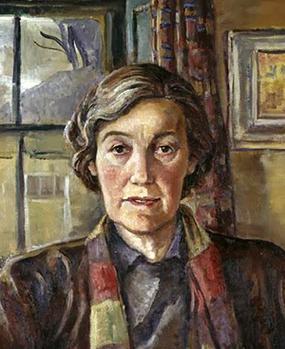
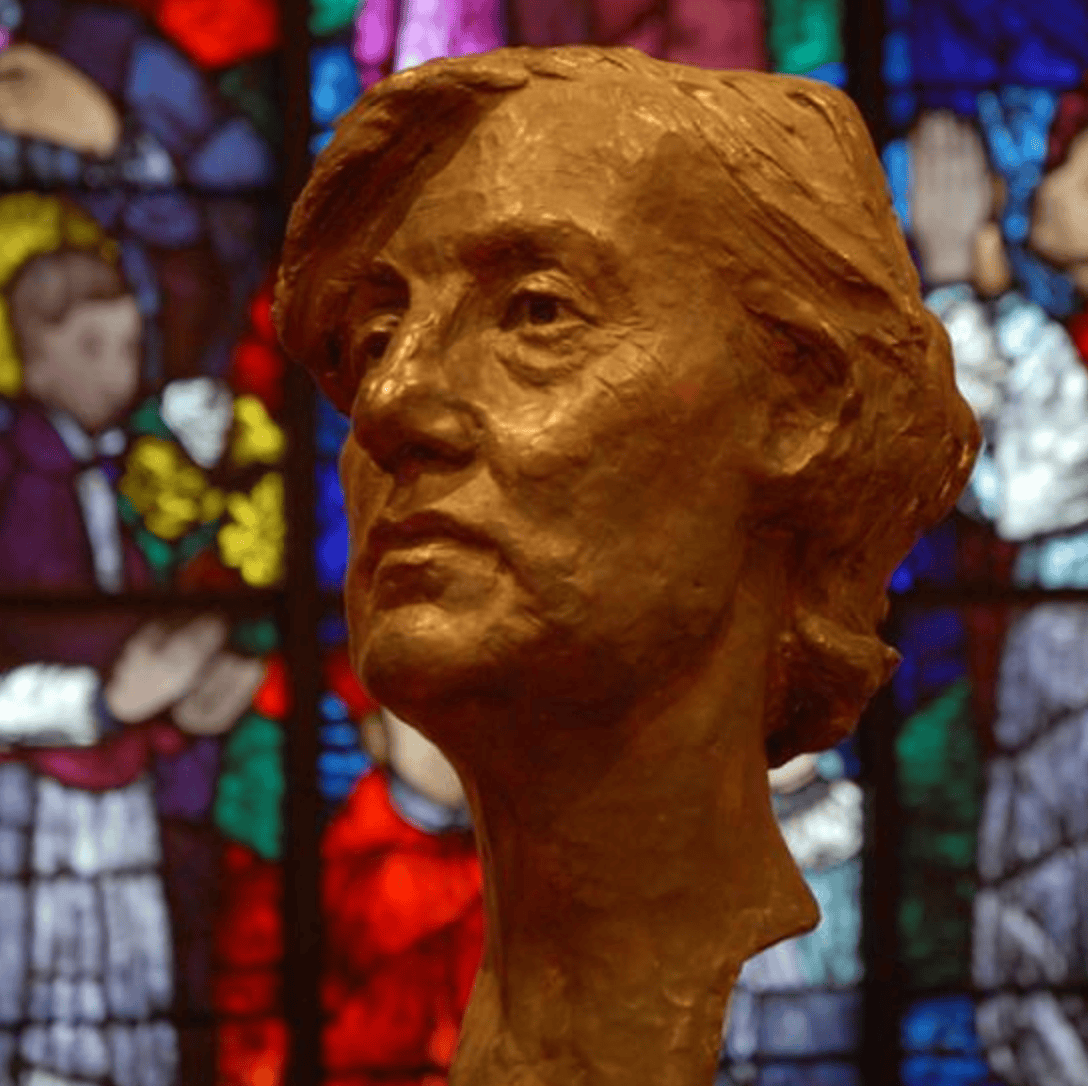
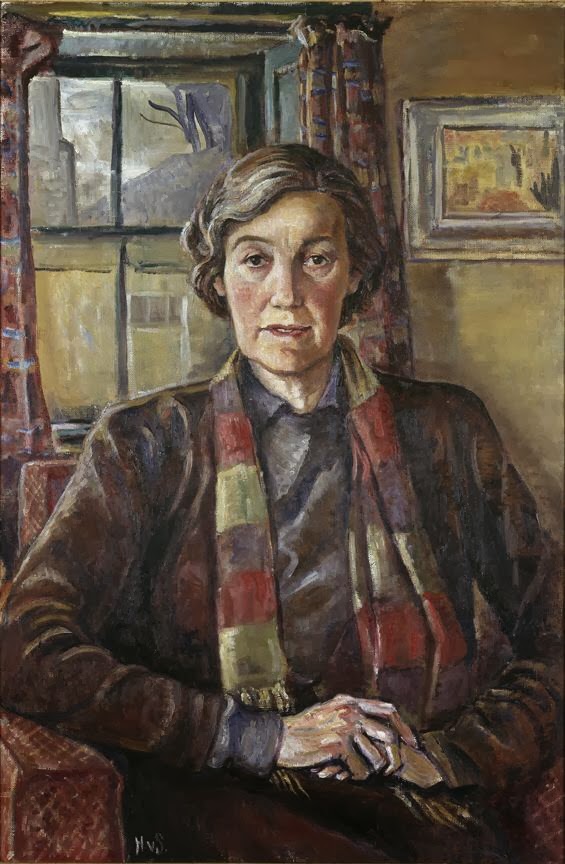
Evie Hone by Hilda van Stockum

Evie Hone Stained Glass Artist

Awards:
honorary doctorate, Trinity College Dublin (1953); honorary member of Royal Hibernian Academy (1955).

Principal works:
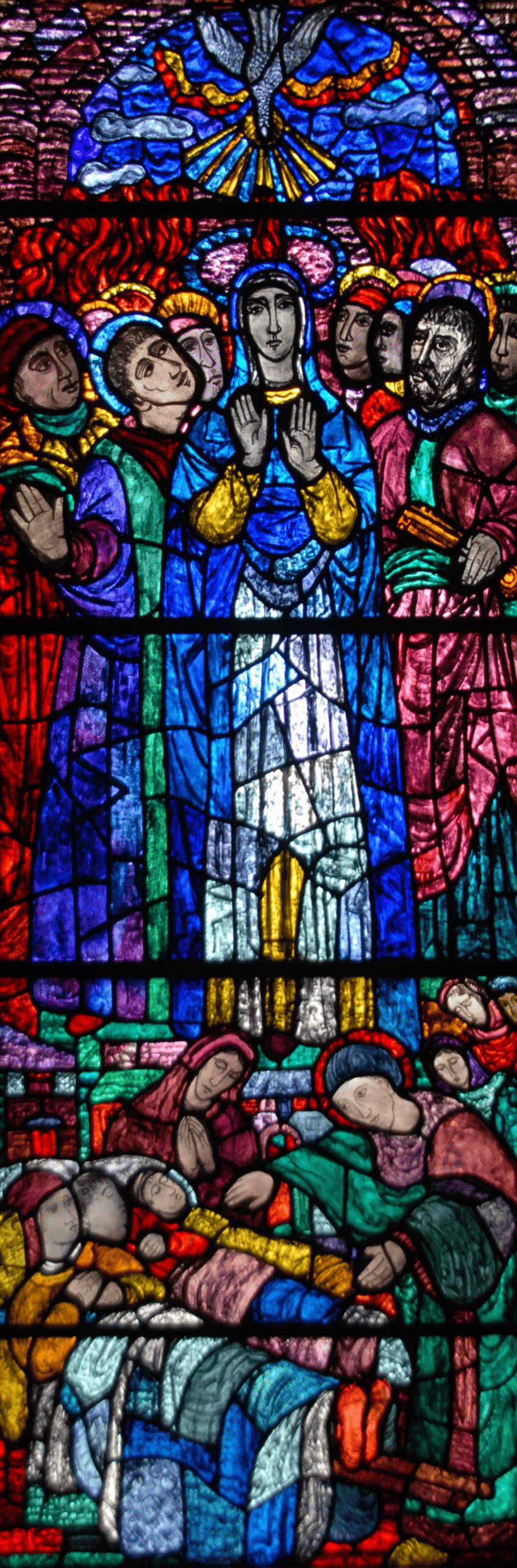
Armorial windows and Pentecost (Blackrock College Chapel, 1937–41); My Four Green Fields (1939); Saint Brigid (Loughrea Cathedal, 1942); windows for St. Stanislaus College, Tullabeg, County Offaly (1942); windows for Church of the Immaculate Conception, Kingscourt, County Cavan (1947–48); Eton College Chapel, Berkshire, England (1949–52); St. Michael’s Church, Highgate, London (1954).

Background:
Evie Hone was descended from a remarkable family of Flemish artists who settled in Britain and Ireland in the 16th and 17th centuries. One of them, Galyon Hone, completed the windows for King’s College in Cambridge. Another of her ancestors was the painter Nathaniel Hone (1718–1784). Nathaniel’s two sons, Horace and John Camillus, were also painters.

In 1937, Hone was received into the Catholic Church at Blackrock College Chapel in Dublin by its president Dr. John Charles McQuaid, who had commissioned windows for the college chapel from Michael Healy. McQuaid subsequently commissioned work from Hone and, when he became archbishop of Dublin in 1940, was an enthusiastic champion of her work.

Evie Hone, became a renowned Irish stained-glass artist, who lived and worked in Marlay Park, specifically in the Dower House located within the park’s courtyard, where she established her studio in Marlay House. She is best known for her work in stained glass, a medium she began exploring in 1933 after initially establishing a reputation as a painter in oils and gouaches. Hone joined An Túr Gloine, a prominent Dublin stained-glass cooperative, and remained there until its dissolution in 1944 following the death of Sarah Purser. After this, she set up her own studio at Marlay Grange, Rathfarnham, where she produced some of her finest works.

Her most celebrated piece is the large east window at Eton College Chapel, Windsor, completed in 1952, which covers 900 square feet and comprises over 40,000 pieces of glass, bringing her international fame. Other significant works include the ‘My Four Green Fields’ window, commissioned by the Irish government for the New York World Fair in 1939, which won first prize in its category. She also created windows for various churches across Ireland, including the Jesuit colleges at Tullabeg, Clongowes Wood, and Rockwell College, as well as the Church of St. Peter and Paul in Athenry.

Hone’s connection to Marlay Park is deeply celebrated, and events are held there to honor her legacy. A talk titled “Evie Hone, Stained Glass Artist of Marlay” was scheduled for 3 June 2025 at Marlay Park House, and another event on 30 April 2025 marked the 70th anniversary of her passing, taking place in the room next to her former studio. She died on 13 March 1955 while on her way to mass in Rathfarnham. Her artistic legacy, bridging modernist painting and stained glass, continues to be recognized, with her works featured in collections across Ireland, the UK and America.

Partially AI-generated answer. Sources below.

Sources:
https://www.originalstrands.com/post/evie-hone-acclaimed-irish-stained-glass-artist
https://www.manresa.ie/about/manresa-campus/evie-hone-at-manresa
https://www.eventbrite.com/e/evie-hone-stained-glass-artist-of-marlay-tickets-1359034521839
https://www.dlrcoco.ie/dlr-events/event/spring-talks-evie-hone-stained-glass-artist-marlay-spring-into-heritage-2025
https://tropter.com/en/ireland/dublin/marlay-park
https://www.encyclopedia.com/women/encyclopedias-almanacs-transcripts-and-maps/hone-evie-1894-1955
https://www.europeana.eu/en/stories/five-trailblazing-female-stained-glass-artists
https://bloomsite.wordpress.com/2014/11/07/other-bloomers-shakers-the-awakening-of-evie-hone/
https://www.irishtimes.com/culture/surprising-neglect-of-famous-stained-glass-artist-1.295515
https://www.invaluable.com/artist/hone-evie-8fewy1aw5s/sold-at-auction-prices/
https://www.adams.ie/irish-artist-directory/Evie-Hone/art-sold-at-auction

IMAGE GALLERY: Please click on an image to open the gallery.Then use the right & left arrows to move forwards or backwards through the images.


May 8th 2024

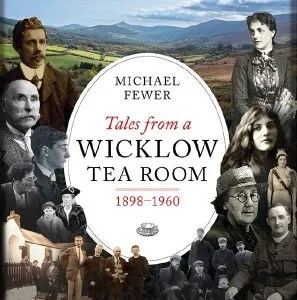
Title: Tales from a Wicklow Tea Room 1898-1960
Speaker: Michael Fewer
Time: @ 7:45 PM
Location: Iona Pastoral Centre

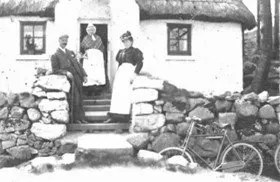
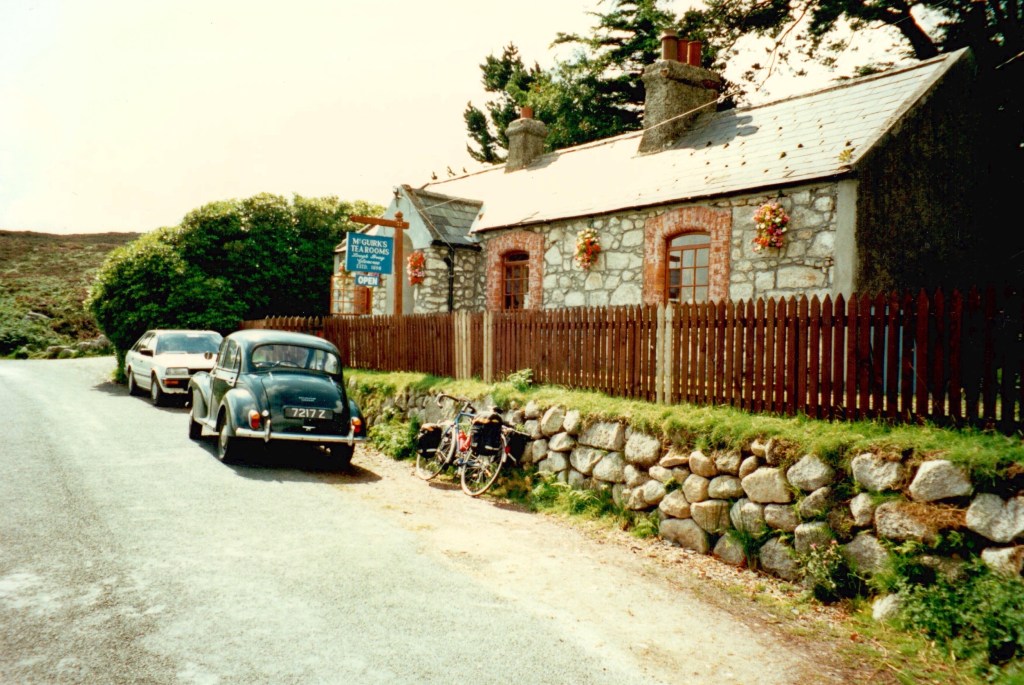
Tales from a Wicklow Tea Room, 1898–1960 tells the story of a tiny cottage in Glencree in the Wicklow Mountains and the tea room run there by the McGuirk family from the 1880s to the 1960s. It is about those who met and took tea at McGuirk’s during the most momentous years of Ireland’s history, and the world they inhabited.

McGuirk’s Visitors books were a unique collection that offered insights into the social, political, and cultural landscape of early twentieth-century Ireland. These books, contained over 13,000 signatures along with comments, poetry, and artwork left by the diverse array of guests.

The tea room served as a gathering place for a wide range of individuals, including poets, artists, writers, scientists, politicians, lawyers, and other influential figures of Irish society. Notable visitors included Arthur Griffith, J.M. Synge, William Beckett, Denis Devlin, Oliver St. John Gogarty, and many more. The entries in these books reflected the rising popularity of the Irish language and culture during that period, with an increasing number of notes written in Gaelic script. The books also shed light on the status of women, the backgrounds of various signatories, and the surprising number of Anglo-Irish individuals who later perished in World War I. McGuirk’s meticulous exploration of these entries revealed fascinating stories and connections, making the Visitors books a valuable historical and cultural resource.

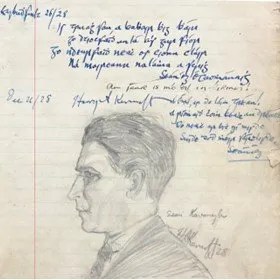
The artist Harry Kernoff was a regular, often in the company of teacher and lexicographer Seán Óg OCaomhánaigh, of whom he left a pencil portrait. On another occasion, he is accompanied by the artist Sean O’Sullivan and Shamrock Trench, the first woman to qualify for a pilot’s licence in Ireland. On this occasion, O’Sullivan left a beautiful sketch of Trench. Among the many poetic offerings in the books are verses by Mervyn Wall, Anthony Cronin and Denis Devlin.

Over this most formative period in Irish history, the cottage became a meeting place for poets, artists, writers, scientists, politicians, lawyers and, indeed, representatives of every aspect of Irish society, including some of early-twentieth-century Ireland’s most influential people. Among the host of visitors were Ellen Duncan, Arthur Griffith, Hugh Lane, J.B. Malone, Constantia Maxwell, Robert Lloyd Praeger, J.M. Synge, Mervyn Wall and Ella Webb.

Source: Micheal Fewer via writing.ie

McGuirk’s tea rooms 1996. Photo. robskinner.net

March 13th 2024

Title: The 1973 Escape from Mountjoy Prison by Helicopter
Speaker: Dr Mary Muldowney, 
Time: @ 7:45 PM
Location: Iona Pastoral Centre

About the Author:
Mary Muldownney – Historian in Residence – Dublin North-West at Dublin City Council
Source: Linkedin page.

Quote: “My employment history includes research and writing, lecturing and training and project management. My current role as Historian in Residence for Dublin City Council involves all of the above, as well as enthusiasm for meeting people and encouraging them to engage with their own histories. In January 2024 I moved my area of responsibility from Dublin Central to Dublin North-West.

I am the author of books and journal articles based primarily on oral history interviews. These are in addition to a range of other publications (see indicative list below)”.

Sample list from 20 publications (via LinkedIn)

  • With Kelly Fitzgerald, “Oral Life Stories” in Liam Harte (Ed.), The History of Irish Autobiography.With Kelly Fitzgerald, “Oral Life Stories” in Liam Harte (Ed.), The History of Irish Autobiography.Cambridge University Press · Jan 1, 2018Cambridge University Press · Jan 1, 2018
  • “The brief and troubled life of the Sunday Journal” The Sunday Papers. The History of Ireland’s Weekly Press. “The brief and troubled life of the Sunday Journal” The Sunday Papers. The History of Ireland’s Weekly Press. Four Courts Press · Jan 1, 2018Four Courts Press · Jan 1, 2018
  • “That crazy idea of giving women the vote” in They didn’t go away. Women after the 1916 Rising.“That crazy idea of giving women the vote” in They didn’t go away. Women after the 1916 Rising.Stoneybatter & Smithfield People’s History Project · Jan 1, 2017Stoneybatter & Smithfield People’s History Project · Jan 1, 2017

The Mountjoy Prison Escape by Helicopter 1973

The Mountjoy Prison helicopter escape occurred on October 31, 1973, when three Provisional Irish Republican Army (IRA) volunteers escaped from Mountjoy Prison in Dublin, Ireland, by boarding a hijacked helicopter that briefly landed in the prison’s exercise yard. The escape was a major event that made headlines around the world and was an embarrassment to the Irish coalition government led by Fine Gael’s Liam Cosgrave.

The escapees, Seamus Twomey, J. B. O’Hagan, and Kevin Mallon, were recaptured within months, but the incident was a significant blow to the government’s security measures and led to a massive manhunt involving 20,000 members of the Irish Defence Forces and Garda Síochána.

AP Interview with helicopter pilot Captain Thompson Boyes, 1973.

Source: Associated Press

Photo Gallery: Click on any image to open the Gallery.
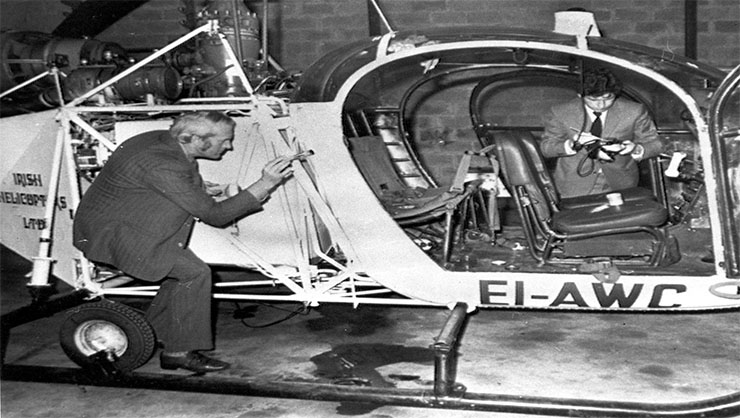
An example of the Aérospatiale Alouette II helicopter used in the escape, with actual photos from a forensic examination of the helicopter used (2 photos), and the reporter Tom McCaughren reporting on the event for the main TV channel in Ireland RTÉ from Mountjoy Prison.
Sources: commons.wikimedia.org; dublinfestivalofhistory.ie; anphoblacht.com; The Irish News (2 images).


Éalú (Escape) – Mountjoy Prison
– originally a TG4 docudrama. (Irish language with English subtitles)

Source: A Troubled Land Archive


IRA Mountjoy Helicopter Escape: Up and Away

Source: PushPull Production.
A 2021 update documentary as told through the eyes of four men who were in the prison that day, two Wardens and two Republican prisoners. This documentary illustrates how a 60 second event that took place over 50 years ago is imprinted on the memory of those who witnessed it.


October 12th 2022

Title ‘The Country House as an Object of Curiosity’
Speaker: Dr. Patricia McCarthy
Time: @ 7:45 PM Apx. – N.B. The A.G.M. starts @ 7:30 PM
Location: Iona Pastoral Centre

NOTE FROM AOIFE O’TIERNEY
Patricia is an architectural historian.  She has published widely in a number of  publications such as the Irish Georgian Society, Country Life and the Irish Arts Review. She has published 4 books, the most recent one published by the Four Courts Press is titled ‘Enjoying Claret in Ireland: a History of Amiable Excess’. She has contributed to two volumes of the Royal Irish Academy’s Art and Architecture of Ireland (2014).

P.S. At the meeting on 12 October at 7.30 p.m. we start with our A.G.M. – Subs for the coming year, more anon when the committee have had the opportunity of meeting. If anyone has a motion for the A.G.M. let me know before next weekend (8th Oct.).

This should be a great evening. Hoping to see you all there.
Aoife


One Example of Patricia McCarthy’s Books:
Life in the Country House in Georgian Ireland
Publication date: 24th May 2016
ISBN: 9780300218862
Price: Hardcover €114.06; Paperback €27.09 via Amazon

Image: goodreads.com

For aristocrats and gentry in 18th-century Ireland, the townhouses and country estates they resided in were carefully constructed to accommodate their cultivated lifestyles. Based on new research from Irish national collections and correspondence culled from papers in private keeping, this book provides a vivid and engaging look at the various ways in which families tailored their homes to their personal needs and preferences. While remarkably flexible, these houses were arranged in accordance with their residents’ daily practices, demonstrating a distinction between public and private spaces, and the roles and arrangements of the servants in their purposeful layouts. With careful consideration given to both the practicality of everyday routine and the occasional special event, this book illustrates how the lives and houses of these people were inextricably woven together.

Dr Patricia McCarthy is an independent architectural historian based in Dublin.
Source: tcd.ie

About the Author:

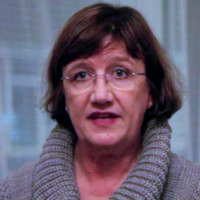
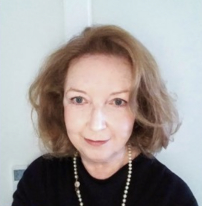
Image: Dr. Patricia McCarthy

EDUCATION
Trinity College Dublin
Bachelor of Arts, the History of Art and Architecture; Classical CivilisationBachelor of Arts.
PhD awarded in 2009: Dept. of the History of Art and Architecture thesis entitled: ‘The Planning, Layout and Use of Space in Irish Houses 1730 – 1830’.

University College Dublin
Diploma, History of European Painting