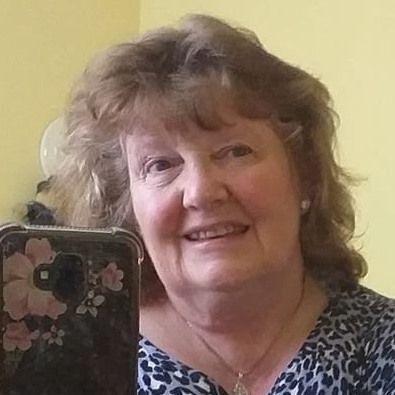
Catherine Scuffil has an MA in Local History from Maynooth University. She is currently the Historian in Residence for Dublin’s South Central area which includes the historic Liberties and some of the city’s oldest suburbs. Catherine has written a number of local history books and an abridged version of her MA thesis was awarded the Old Dublin Society’s silver medal in 2018. Source: History on Your Doorstep.
Title: Warrenmount House Through Time Speaker: Maria O’Reilly Time: @ 8:00 PM Location:Iona Pastoral Centre
Aoife: The talk will be preceded by the A.G.M. at 7.30 p.m. sharp.
If anyone has an item for the Agenda please let me know as soon as possible. Proposals for the committee are also welcome.
Subs for 2023/2024 are also due. Please have the sub in an envelope with name and email address clearly written. individual membership €15.00, couples €20.00.
Looking forward to seeing you all, Aoife
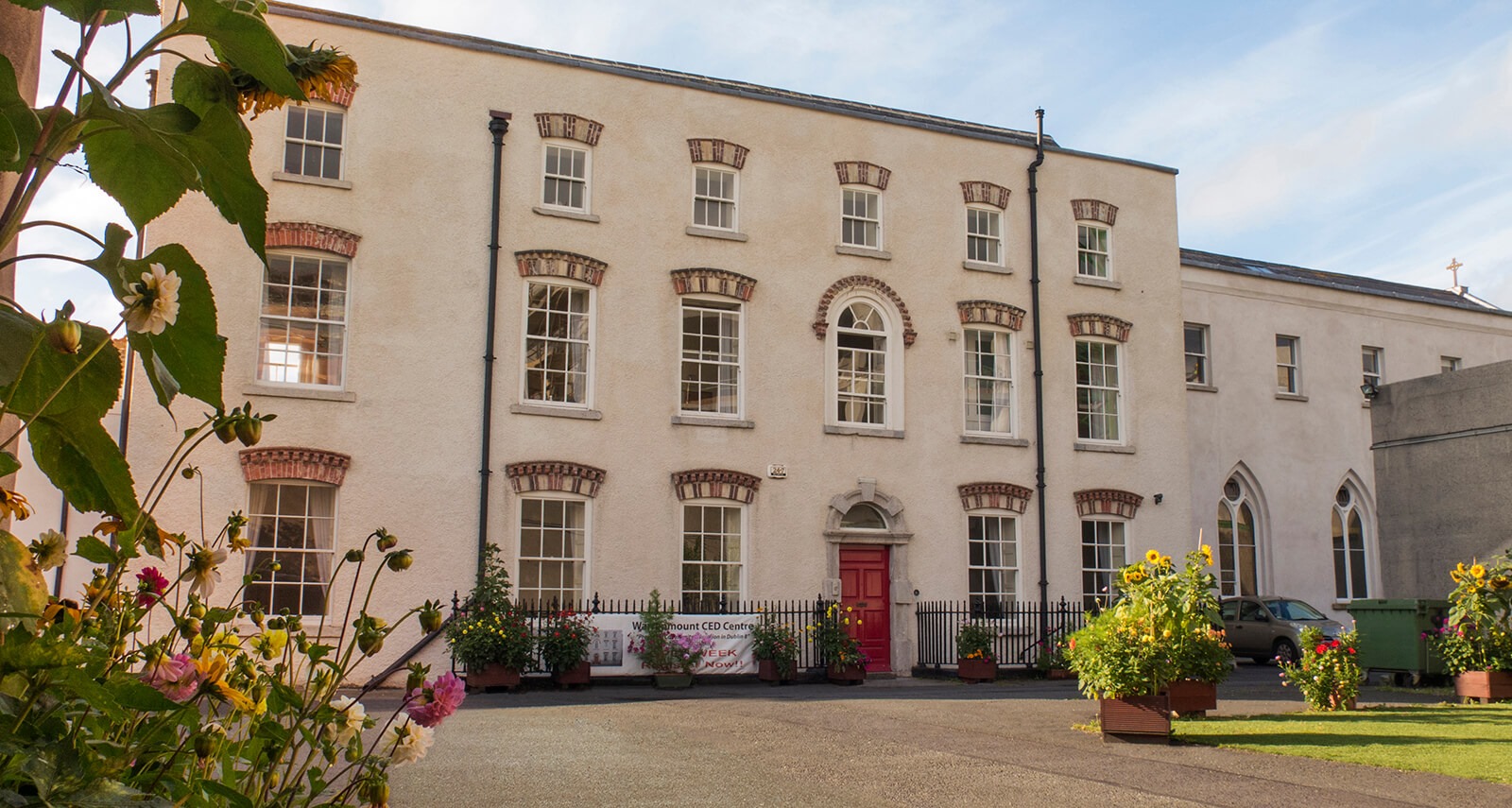
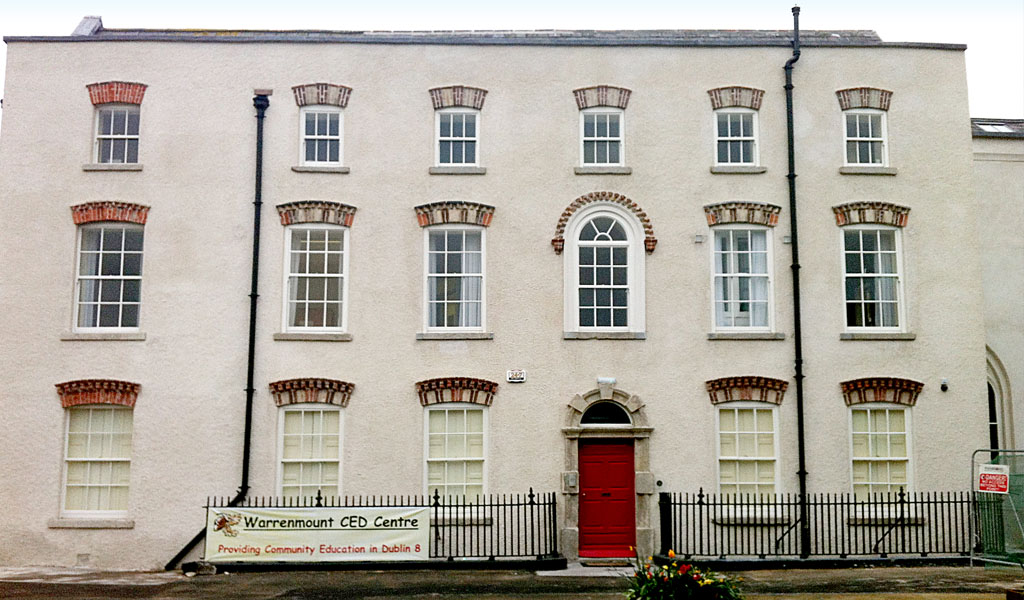
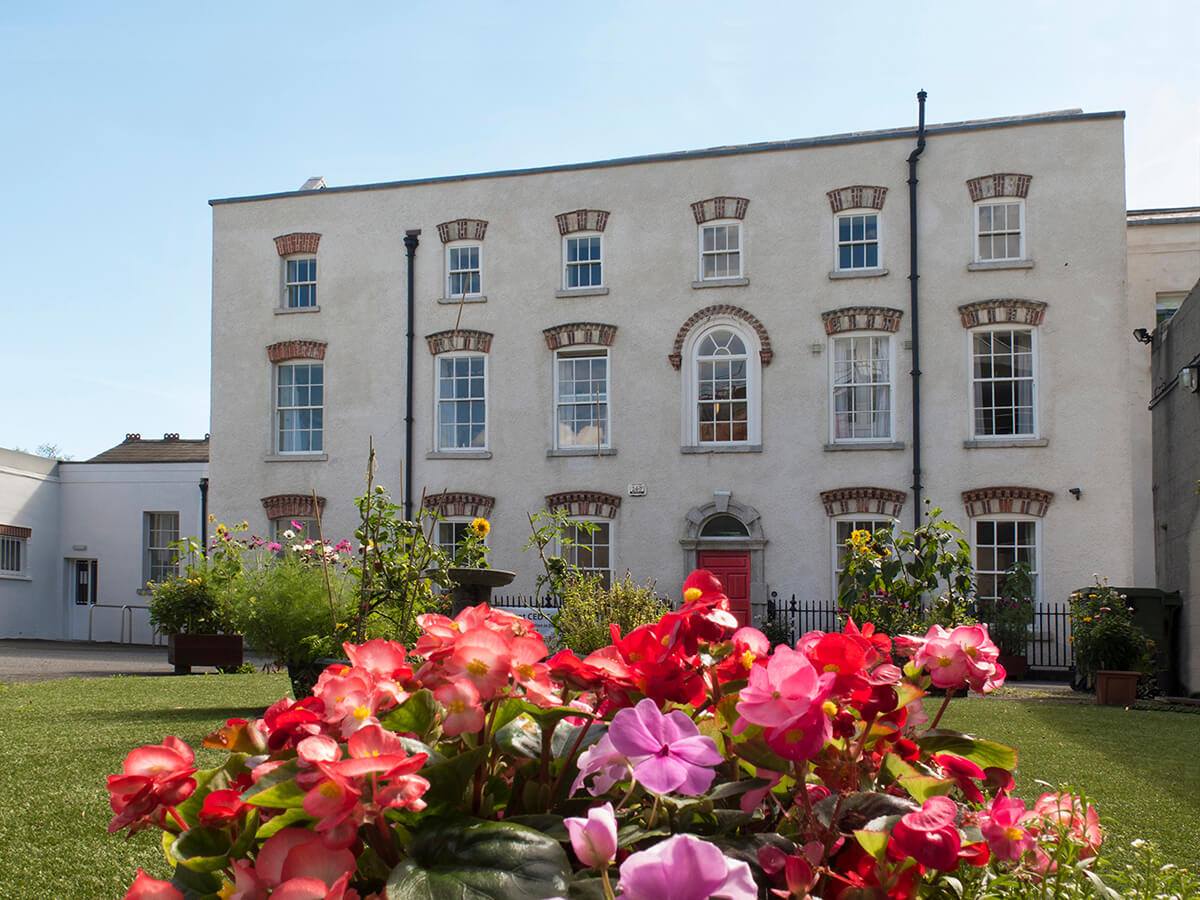
WARRENMOUNT HOUSE: “This rather beautiful building is tucked away off Mill Street, near Blackpitts, in one of the last places you would expect to find a mansion like this.
The building dates to the 1790s and was home to Nathaniel Warren, High Sheriff of Dublin and later Lord Mayor. In a pique of modestly, he humbly named his residence Warrenmount … after himself.
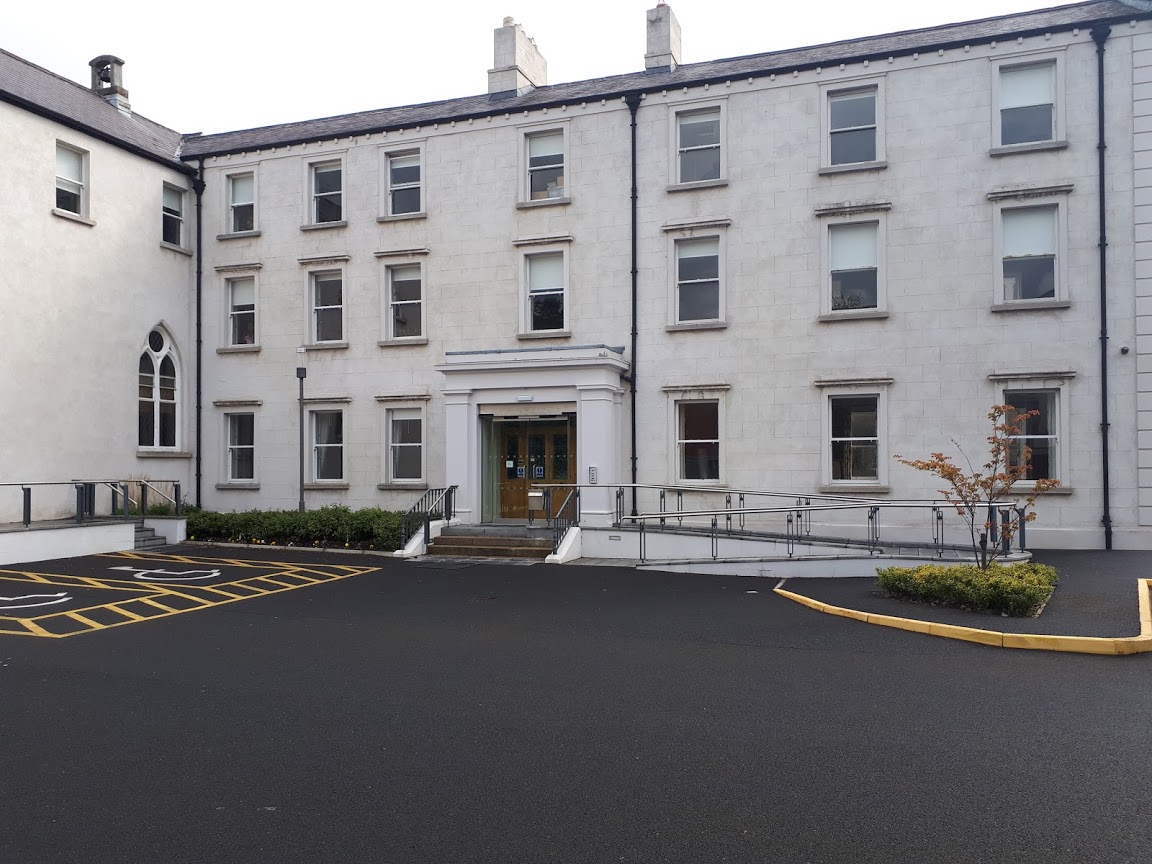
In 1813 Warrenmount was transformed into a Carmelite convent and a school for girls was opened. Ownership later transferred to the Presentation Sisters. The building was extensively renovated in 2008 and is now occupied by the Warrenmount Community Education Centre.
The grounds of Warrenmount contains one of the only spots in Dublin 8 where the River Poddle emerges from its subterranean course and you can hear the famous river the trickling by”.
Title: Séamus Ennis: An Fear Ceoil Speaker: Dr James Cully Time: @ 7:45 PM Location:Iona Pastoral Centre
Aoife: You may remember the splendid talk James gave about the stained glass artist, Harry Clarke some years ago. I think we will enjoy some recordings of Séamus’ playing during the evening. It should be a very pleasant evening..
Seamus Ennis in 1955
Séamus Ennis (Irish: Séamas Mac Aonghusa; 5 May 1919 – 5 October 1982) was an Irish musician, singer and Irish music collector.[1] He was most noted for his uilleann pipe playing and was partly responsible for the revival of the instrument during the twentieth century, having co-founded Na Píobairí Uilleann, a nonprofit organisation dedicated to the promotion of the uilleann pipes and its music. He is recognised for having preserved almost 2,000 Irish songs and dance-tunes as part of the work he did with the Irish Folklore Commission.[2] Ennis is widely regarded as one of the greatest uilleann pipers of all time.[2]
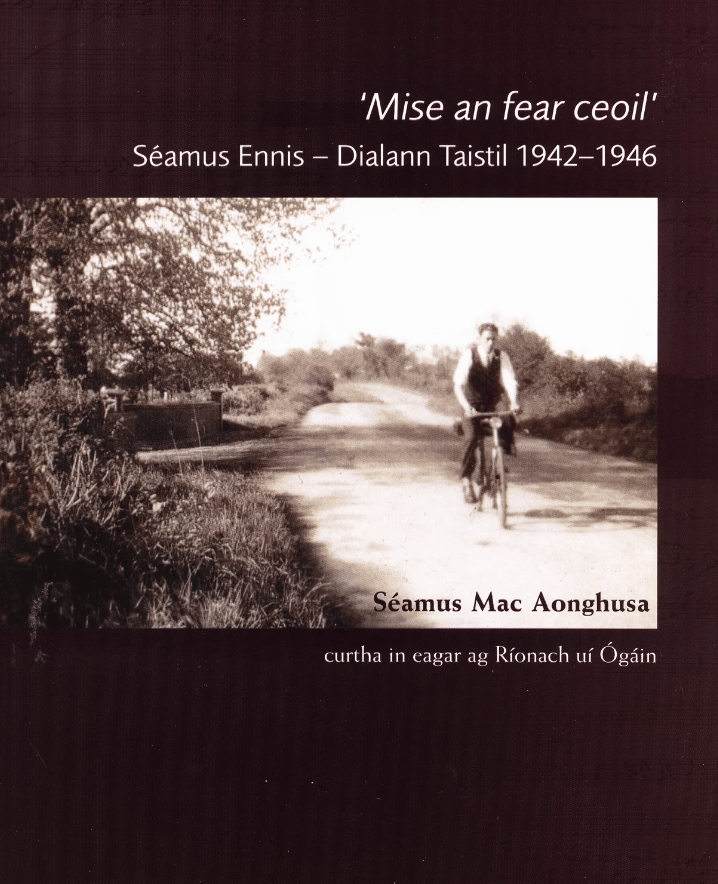
Mise an fear ceoil: Séamus Ennis-Dialann Taistil 1942–1946 This book provides a fascinating insight into the life and work of piper and music collector Séamus Ennis during his period as full-time collector with the Irish Folklore Commission when he worked in counties Galway, Clare, Mayo, Donegal, Limerick and Cavan. Authors: Séamus Mac Aonghusa agus Ríonach uí Ógáin
Music: The Rainy Day/The Merry Blacksmith/The Silver Spear
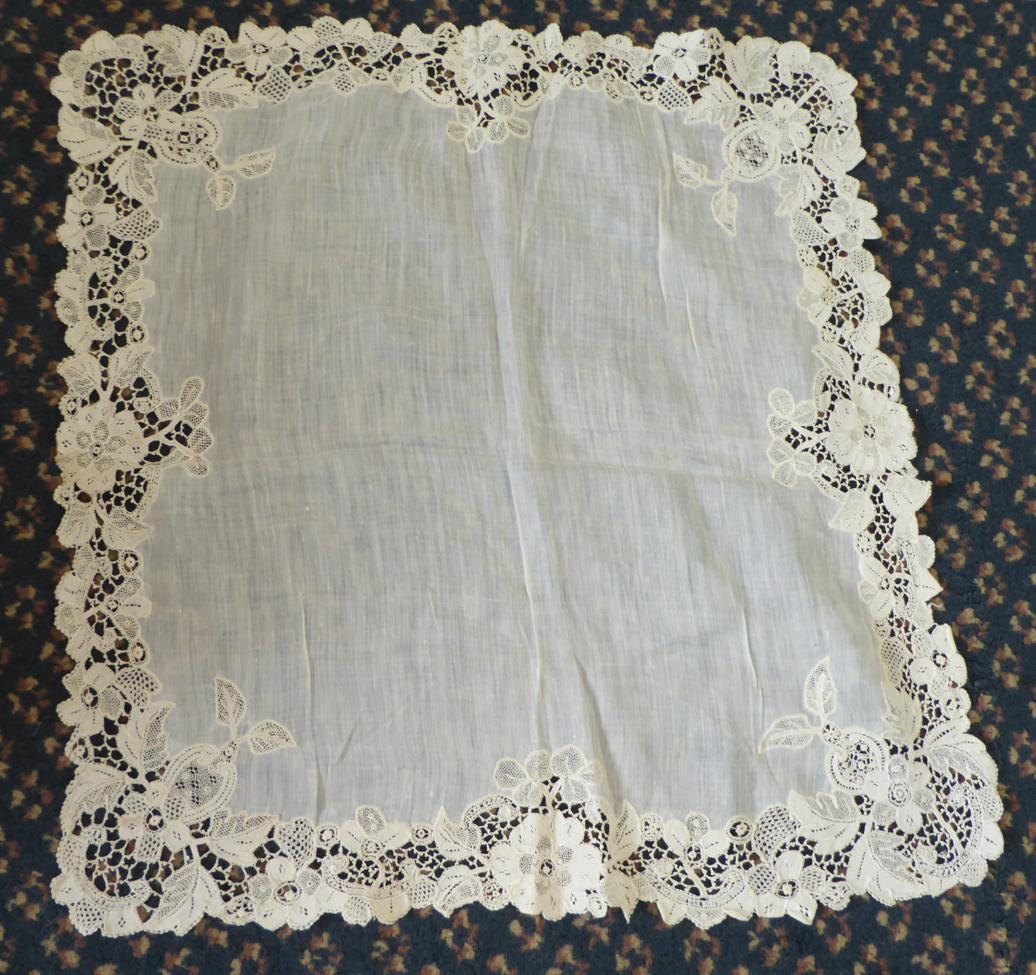
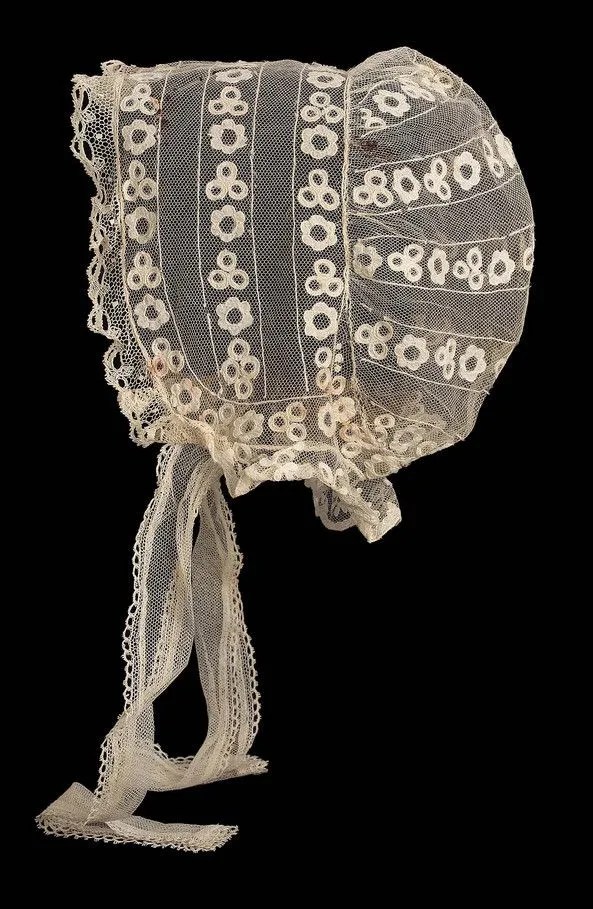
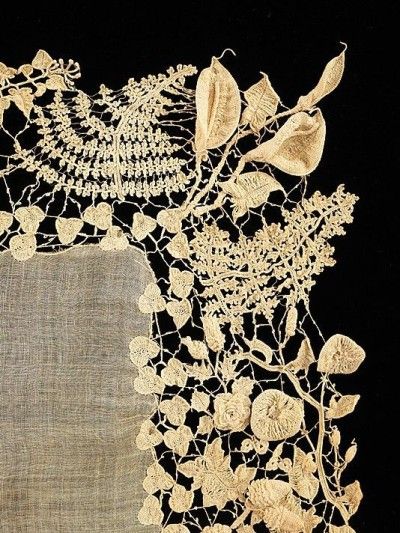
Title: From Elegance To Economics: The story of LACE in Ireland [N.B. this talk was previously cancelled in December 2022 due to poor weather] Speaker: Bernadine Nic Ghiolla Phádraig Time: @ 7:45 PM Location:Iona Pastoral Centre
Bernadine Ní Ghiollapádraig.
From Aóife (December 2022): “If anyone has an interesting piece of lace to show that evening, maybe from the bottom drawer, feel free to bring it along”.
Please click on any image below to open a photo gallery.
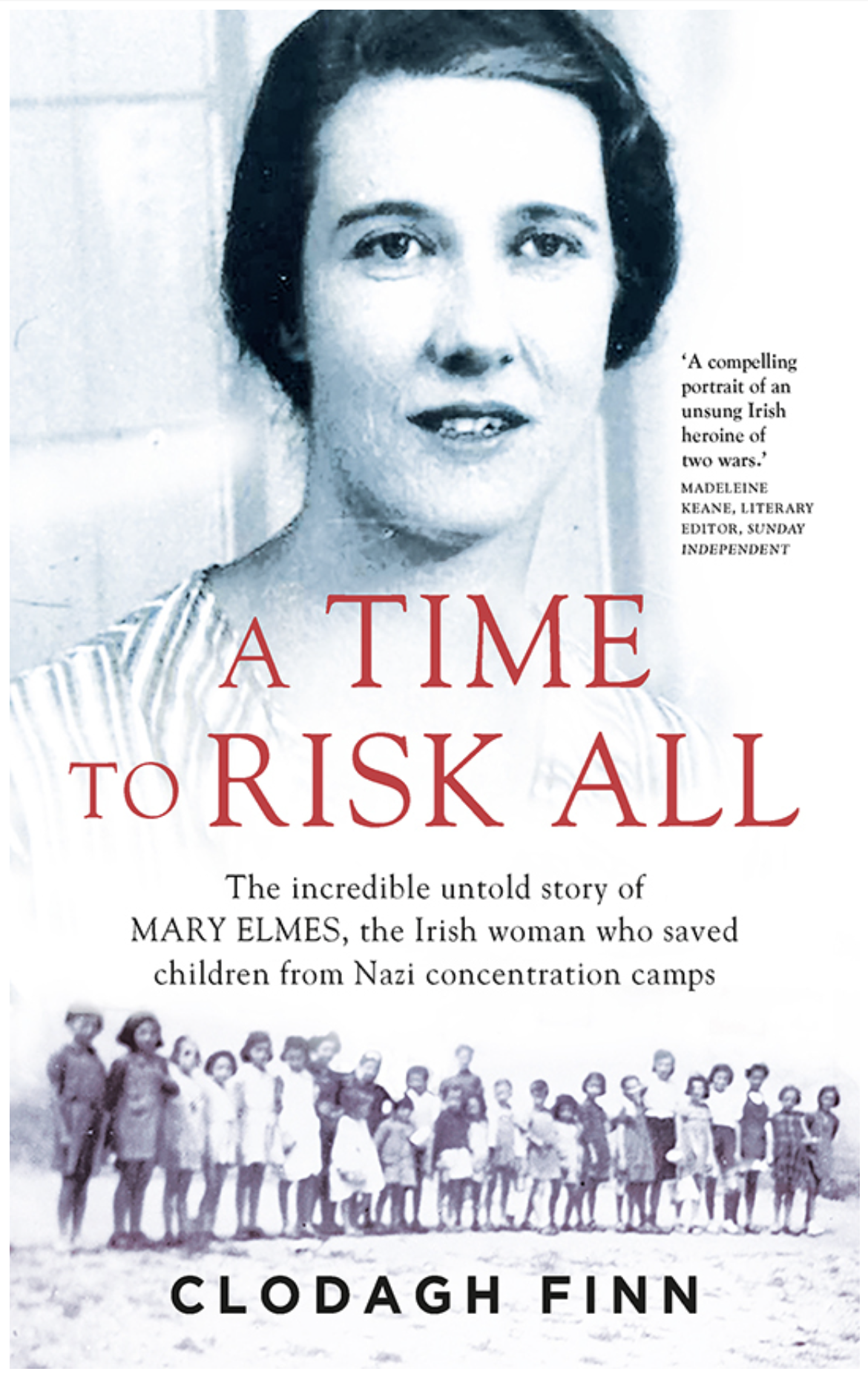
Clodagh Finn has travelled throughout Europe to piece together the story of this remarkable, unknown Irish woman, meeting many of those children Mary Elmes saved. Here, in a book packed with courage, heroism, adventure and tragedy, her story is finally remembered.
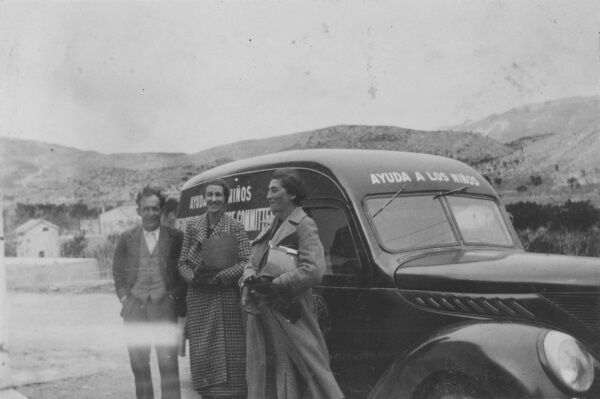
The children called her ‘Miss Mary’, and they remember her kindness still. She gave them food and shelter and later risked her life to help them escape the convoys bound for Auschwitz.
Turning her back on a brilliant academic career, Mary Elmes ventured into a war zone to help children in the Spanish Civil War. In 1939, she fled Franco’s forces but continued to work with refugees in France when the Second World War broke out. In 1942, when it became evident that Jews were being deported to their deaths, she smuggled children to safety in the boot of her car. She was arrested and imprisoned by the Gestapo, but went straight back to work after her release.
When the war was over, Mary married and settled down, never speaking about what she had done. Her story was forgotten. In A Time to Risk All her remarkable story is finally remembered as it should be.
From left: Patrick Danjou, son of Mary Elmes; Charlotte Berger-Greneche; Clodagh Finn, journalist and author; Georges Koltein and Sally and John Wilkes at the ceremony to mark the official opening of Cork’s newest bridge, the Mary Elmes Bridge on Sept. 27, 2019. The bridge was named in memory of Mary, who, along with co-workers, rescued over 400 children from deportation to Auschwitz from a holding camp in South West France. Pic: Brian Lougheed Source: weareirish.ie
Please click on any image below to open a photo gallery.
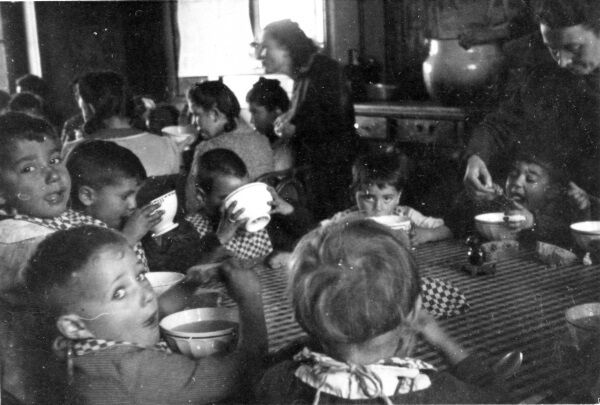
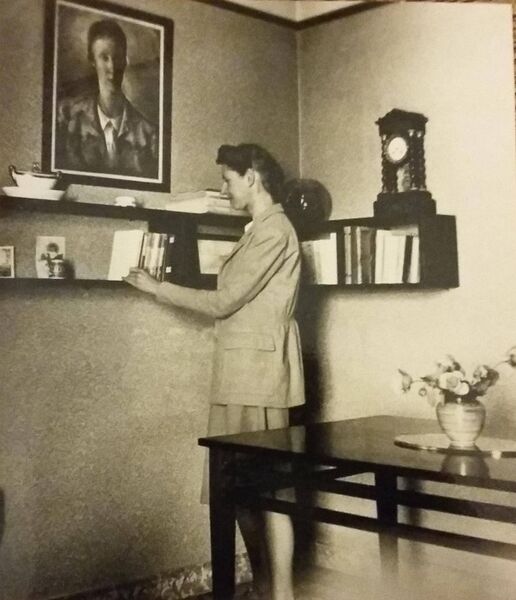
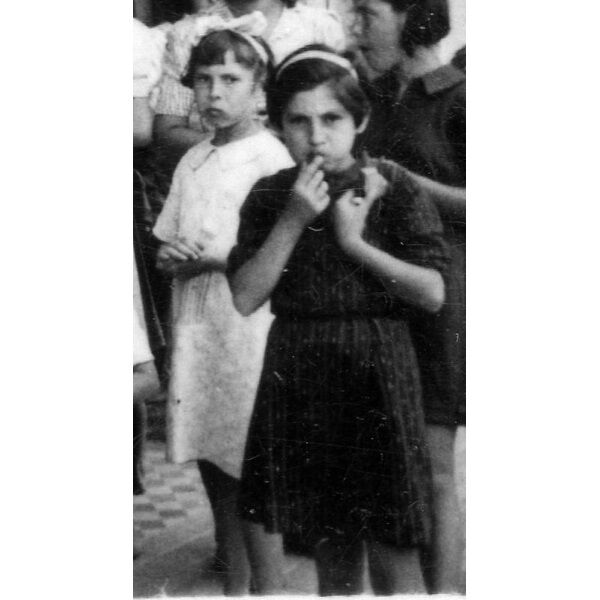
A Christmas Card from refugees at St. Cyprien Camp (Image MCUSA Archives)Children being fed at a children’s home set up by MaryMary Elmes in a picture taken by Emily S. Parker in SpainMary Elmes in her flat in PerpignanMary Elmes Quaker ID (Image-American Friends Service Committee)The Canadell sisters Carmen & Mercedes (Image- MCUSA Archives)Images from Clodagh Finn’s book ‘A Time to Risk All’.
Author Clodagh Finn has always been inspired by stories, particularly around the landscape that she grew up in, in Kerry. Her family, particularly her dad and her Auntie Mary, were wonderful storytellers and it was perhaps because of their gift of the gab that Clodagh became more fascinated by story writing.
‘They brought the places we visited to life with tales of haunted castles and piseogs but they also told the real stories of shipwrecks and missing treasure, ancient saints and holy wells, sacred places and others marred by massacre and cruelty,’ she tells me.
Writing and reading became more than just hobbies and Clodagh went on to study journalism in Dublin. She worked as a journalist for the Irish Examiner, the Sunday Independent, the Irish Independent and as a freelance writer and editor in Paris.
Recent publication
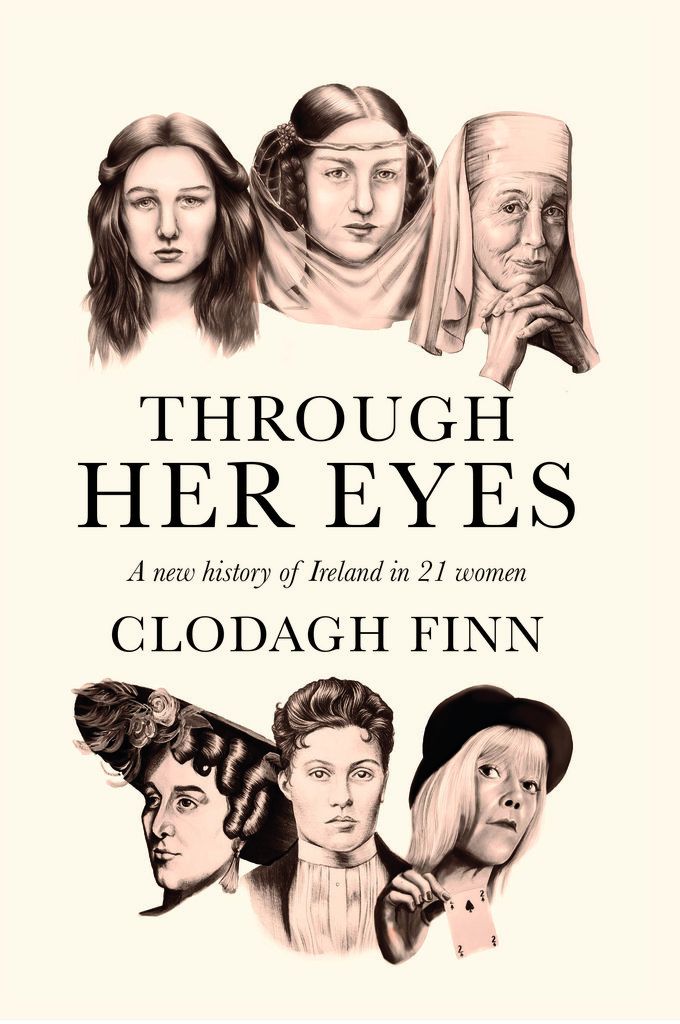
Through Her Eyes by Clodagh Finn
Told through the prism of the lives of 21 extraordinary women, this remarkable book offers an alternative vision of Irish history – one that puts the spotlight on women whose contributions have been forgotten or overlooked.
From a Stone Age farmer who lived in Co. Clare more than 5,000 years ago to the modern-day founder of a 3D printing company, this book opens a fascinating window onto the life and times of some amazing women whose stories were shaped by the centuries in which they lived.
Title ‘The Earliest Arrivals’ Speaker: John Dolan Time: @ 7:45 PM Location:Iona Pastoral Centre
Brief excerpt from: ‘The Earliest Arrivals/Humans in Offaly’, by John Dolan
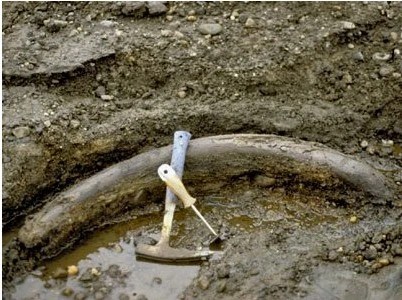
“Long before homo sapiens emerged out of Africa dinosaurs roamed across the earth 200 – 145 million years ago. They roamed the European landscape and evidence of their existence can be found in nearly all European countries. Many examples have been found in Britain, mainly in the south. A Sauropod found in Dorset has been dated to 168 – 166 million years old.
During the 1980s four unusual bones were found along the Antrim coastline but were not recognised. They sat in boxes in the National Museum Northern Ireland until 2020 when they were re-examined in an attempt to identify them. Two of the bones were identified as dinosaurs but from two different species. One of them was the leg bone of a two-footed meat-eating Megalosaurus from 166 million years ago, while the second bone came from a four-footed, plant-eating Scelidosaurus from 191 million years ago. It is likely that these animals arrived in Ireland when Ireland and Europe were one land mass”. Source:offalyhistory.blog
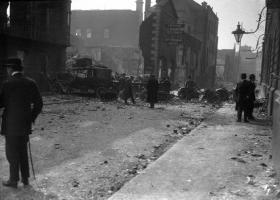
Title ‘The Civil War in Dublin’ Speaker: John Dorney Time: @ 7:45 PM Location:Iona Pastoral Centre
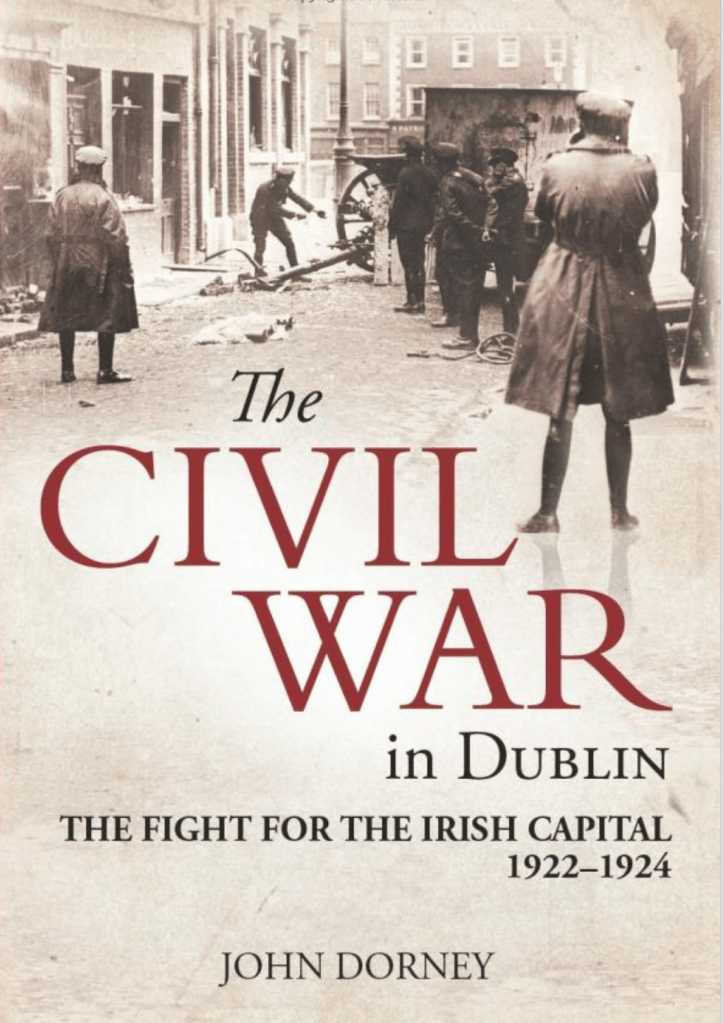
John Dorney’s book: ‘The Civil War in Dublin: The fight for the Irish Capital 1922-1924’
“While the Irish Civil War first erupted in Dublin, playing out through the seizure and eventual recapture of the Four Courts, it quickly swept over the entire country. In ‘The Civil War in Dublin’ John Dorney extends his study of Dublin beyond the Four Courts surrender, delivering shocking revelations of calculated violence and splits within the pro-Treaty armed forces. Dorney’s exacting research, using primary sources and newly available eyewitness testimonies from both sides of the conflict, provides total insight into how the entire city of Dublin operated under conditions of disorder and bloodshed: how civilians and guerrillas controlled the streets, female insurgents operated alongside their male counterparts, the patterns of IRA violence and National Army counter-insurgency alternated, and – for the first time – how the pro-Treaty ‘Murder Gang’ emerged from Michael Collins’ IRA Intelligence Department, ‘the Squad’. The Civil War in Dublin brings the city to life through meticulous detail and reveals unsettling and shocking truths about the extreme actions taken by a burgeoning Irish Free State and its Anti-Treaty opponents”.
About the author: “John Dorney is an independent historian and chief editor of the Irish Story website. He is the author of ‘Peace After the Final Battle: The Story of the Irish Revolution 1912-1924’ (2014) and ‘Griffith College Dublin: A History of its Campus’ (2013)”. Source: amazon.co.uk Image: theirishstory.com
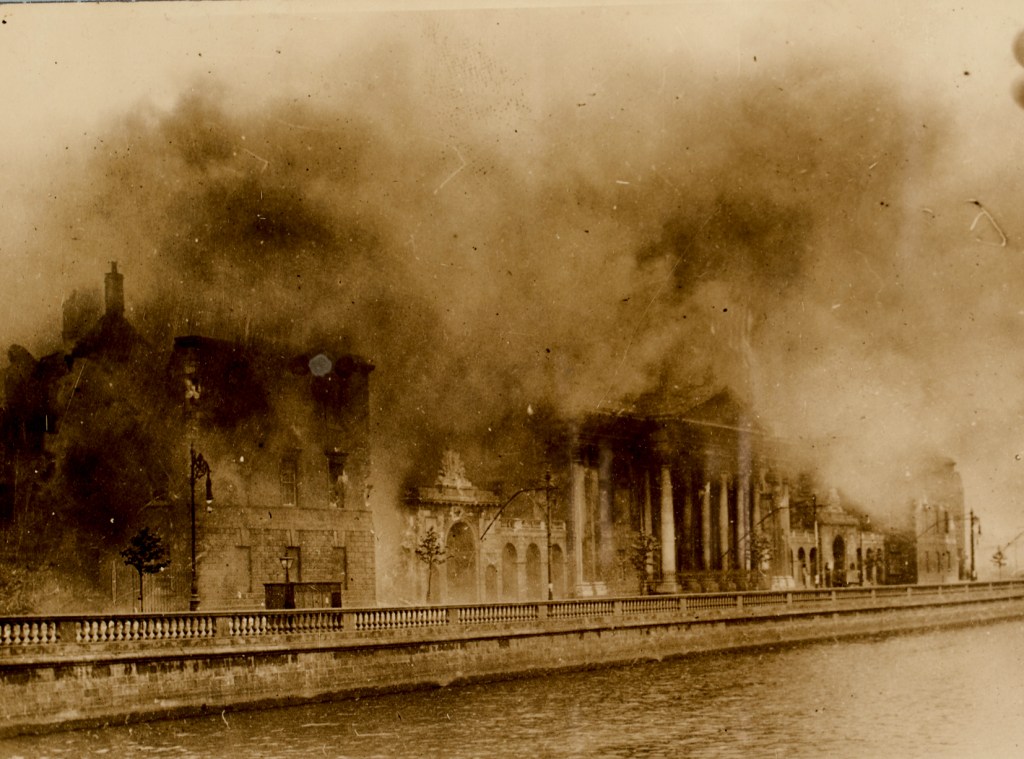
The Four Courts ablaze during the battle, 30 June 1922
The Irish Citizen Army also became involved in the battle, having supported the anti-Treaty IRA in the O’Connell Street area. The fighting began with an assault by Provisional Government forces on the Four Courts building, and ended in a decisive victory for the Provisional Government. Source: en.wikipedia.org
Other sources: The Irish History Show: Episode 1 – The Civil War in Dublin and Cork via youtube.com
Please note that this talk has bee cancelled due to the inclement weather conditions.
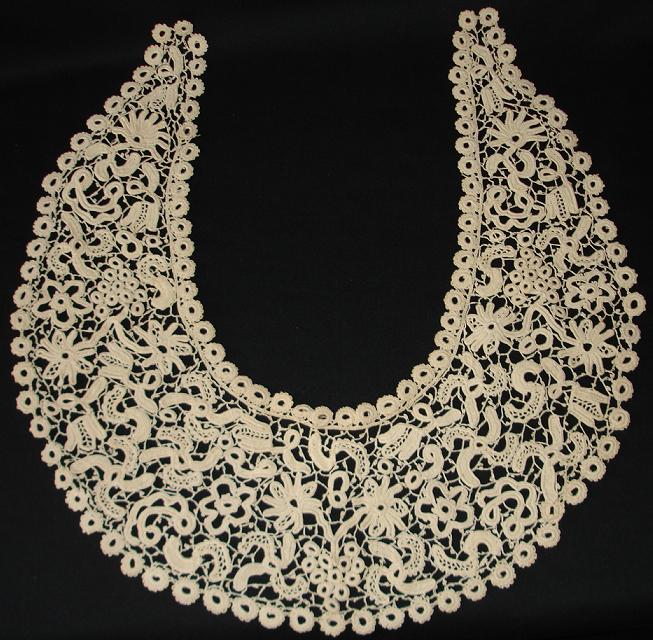
Title ‘Irish Lace in the 19th Century: From Elegance to Economics’ Speaker: Bernadine Nic Ghiolla Phádraig Time: @ 7:45 PM Location:Iona Pastoral Centre
Bernadine Nic Ghiolla Phádraig.
From Aóife: “If anyone has an interesting piece of lace to show that evening, maybe from the bottom drawer, feel free to bring it along. Raffle and mince pies to follow”.
Please click on any image below to open a photo gallery.
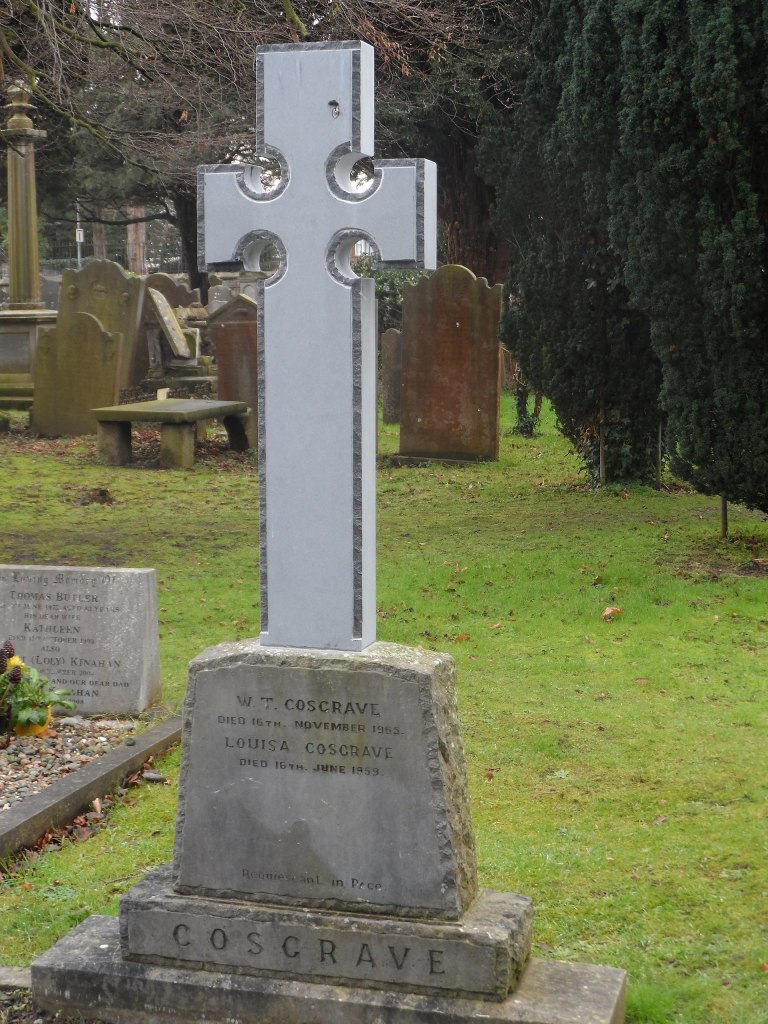
Title ‘Rebel Stateman: The Life & Times of W.T. Cosgrave’ First President of the Executive Council of the Irish Free State Speaker: Liz Gillis & Catherine Scuffil Time: @ 7:45 PM Location:Iona Pastoral Centre
While Cosgrave never officially held the office of Taoiseach (the current title of Ireland’s prime minister, created in 1937), he is recognised to have been the first Taoiseach due to having been the Free State’s first head of government. His son, Liam, served as Taoiseach from 1973 to 1977.
Click on above images to Enlarge.
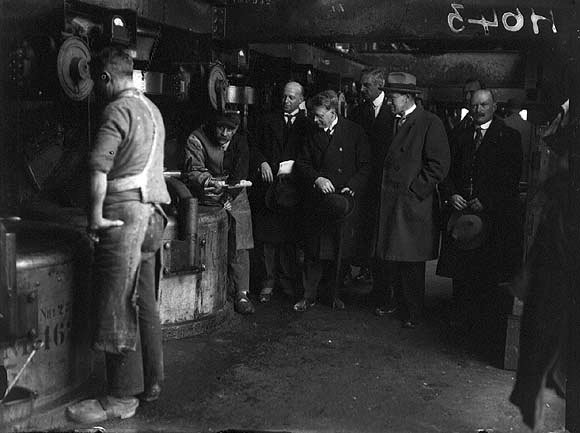
Left image: Cosgrave (holding furled umbrella) visiting the sugar beet processing factory at Strawhall, County Carlow October 1926
Right image: Cosgrave (standing, far-right, wearing the star and sash of the Order of Pope Pius IX) representing the Irish Free State at the 1926 Imperial Conference in London, along with King George V and the Prime Ministers of the United Kingdom, Canada, Newfoundland, Australia, New Zealand and South Africa.
Liz Gillis is an author and historian from the Liberties. She has a Diploma in Classical Animation Studies and a Degree in Irish History. Liz currently works as a Researcher for the History Show on RTE Radio and has lectured at Champlain College since 2018. She was a Curatorial Assistant in RTE, specialising in researching the Easter Rising and a tour guide for many years in Kilmainham Gaol. Liz is the author of six books about the Irish Revolution. In 2018 Liz was a recipient of the Lord Mayor’s Award for her contribution to history. Source: Champlain College.
Catherine Scuffil has an MA in Local History from Maynooth University. She is currently the Historian in Residence for Dublin’s South Central area which includes the historic Liberties and some of the city’s oldest suburbs. Catherine has written a number of local history books and an abridged version of her MA thesis was awarded the Old Dublin Society’s silver medal in 2018. Source: History on Your Doorstep.


























 Knocklyon History Society