Gallery: Please click any image below to run slideshow.
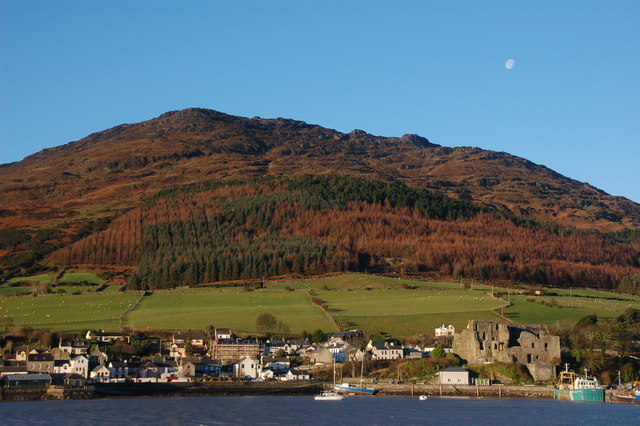
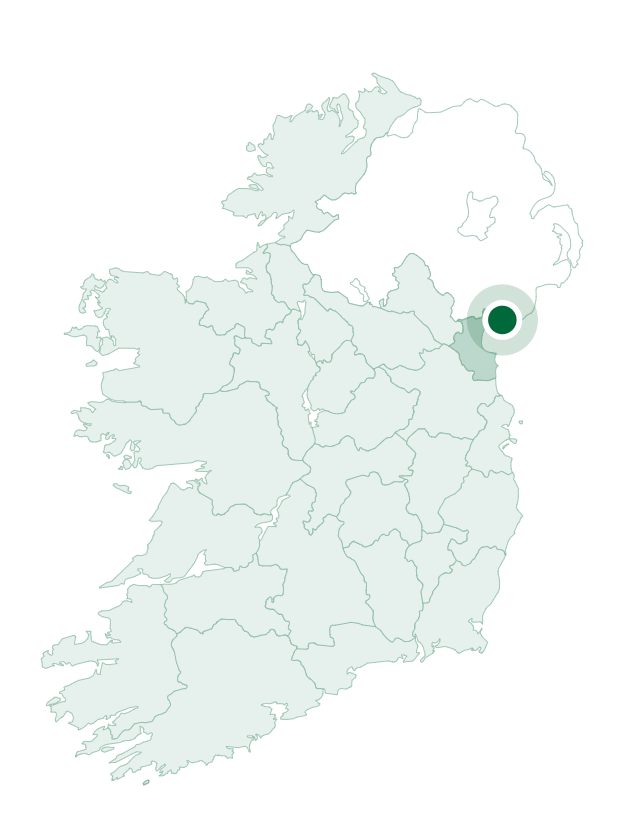
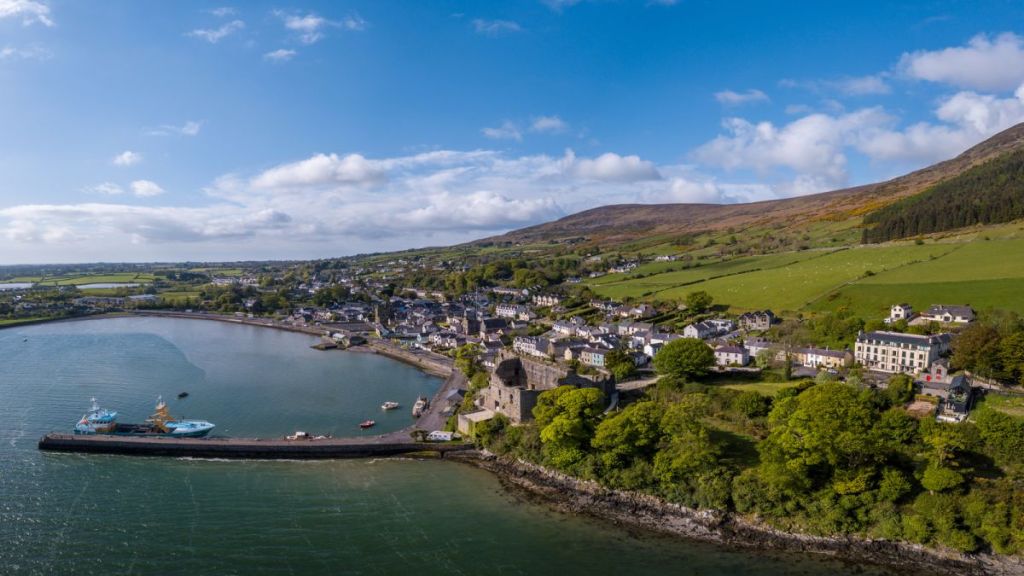
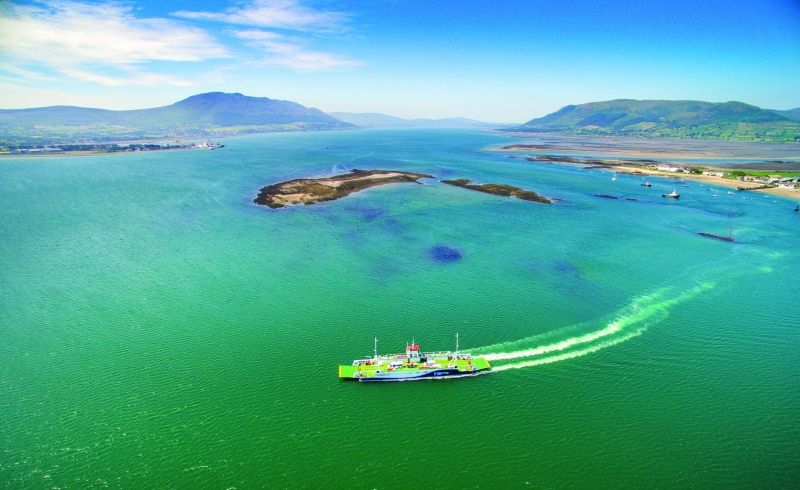
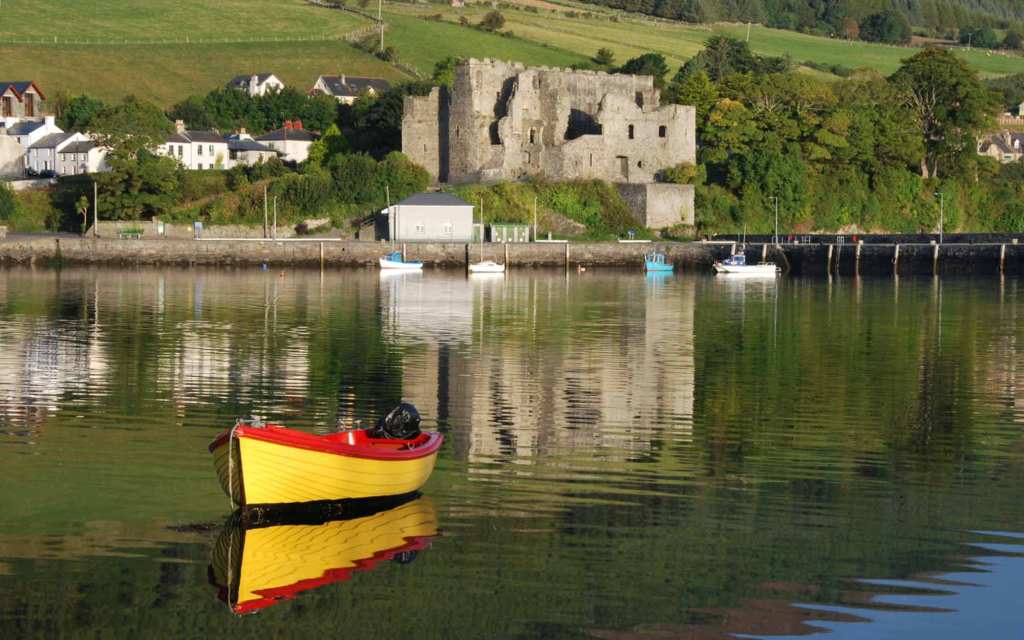
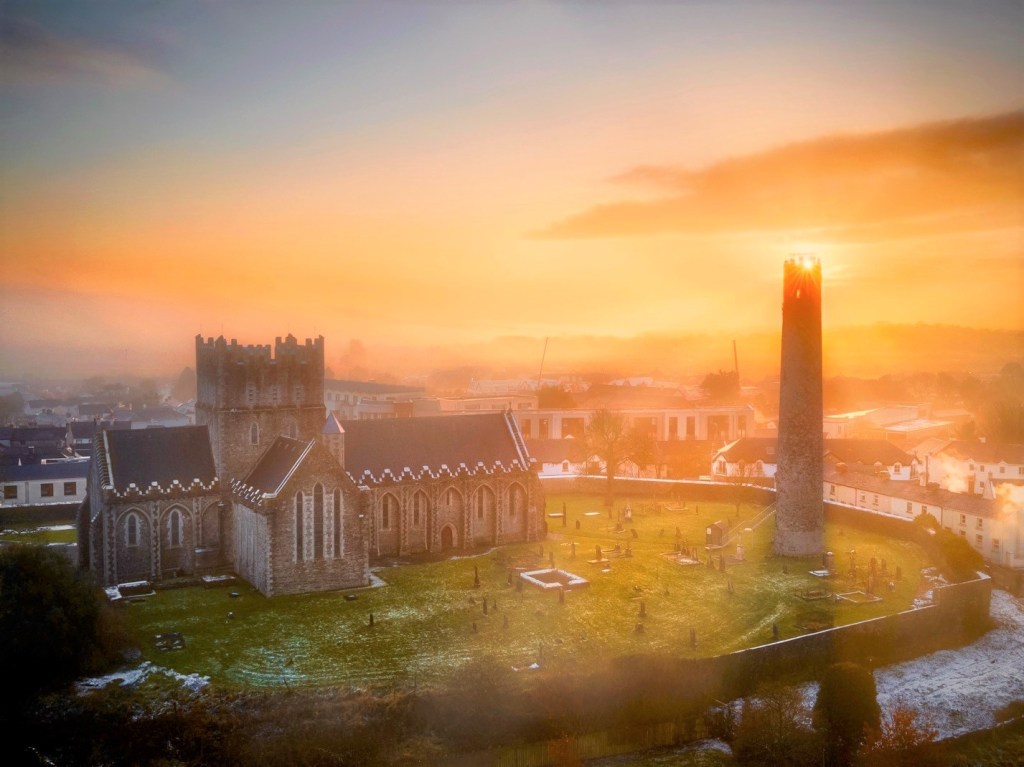
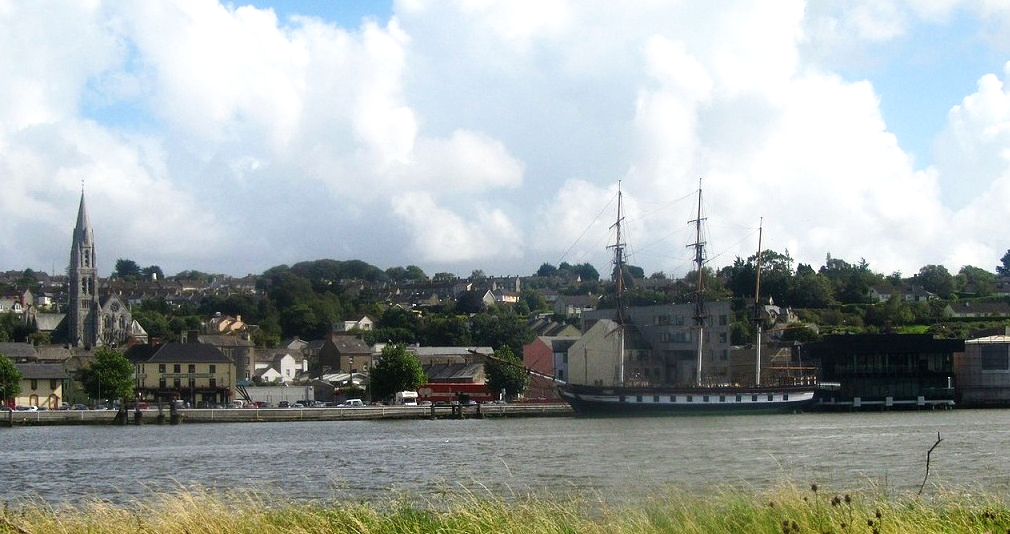
On the edge of Carlingford Lough and at the base of the Cooley Mountains is picturesque Carlingford. Explore the medieval streets, try the famous local oysters and have a drink in a 16th century castle.
OutingUpdate Departure time 9.30 a.m. sharp Bus capacity 33
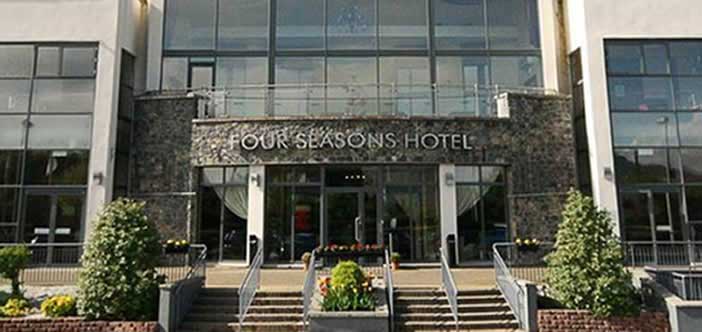
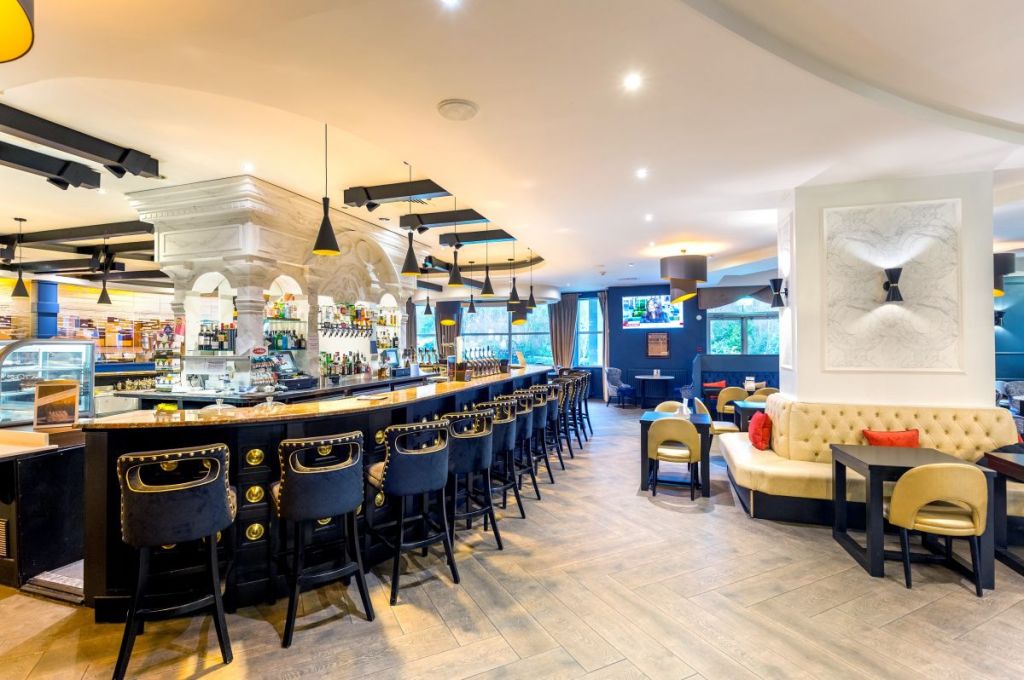
11a.m.tea/coffee/scone at Four Season’s Hotel
12 noon visit to Heritage Centre nearby
1p.m.-3p.m. Free time to visit this medieval town, the seaside, greenway or priory ruins.
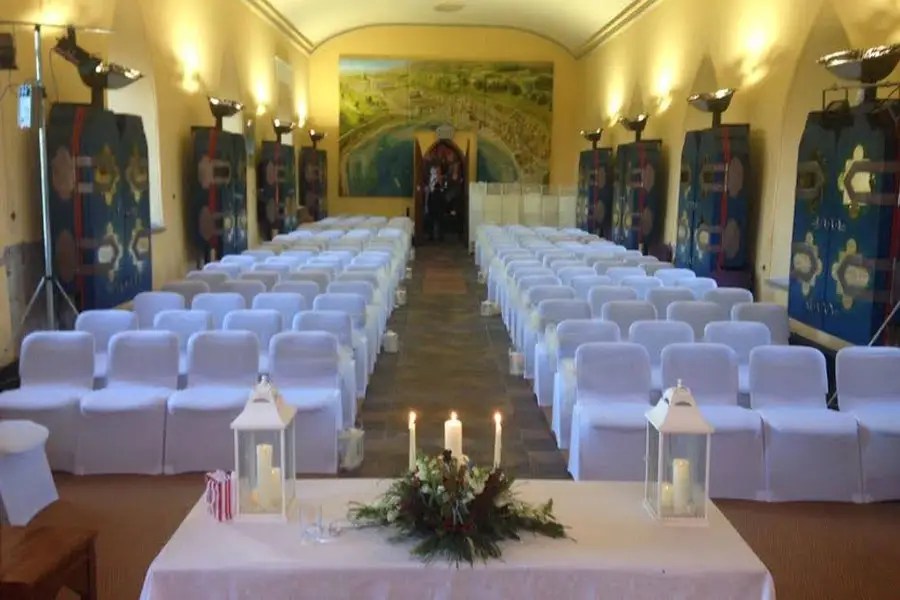
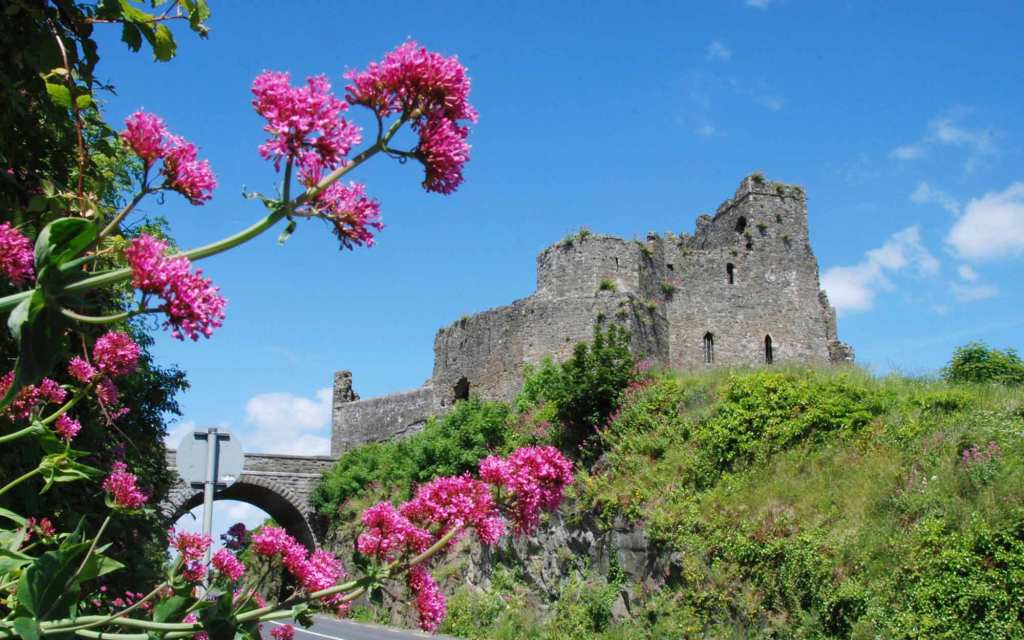
3p.m.- 5p.m. in 2 groups guided tour of King John’s Castle. Earlier group finishing at 4p.m. are asked to be at the Bay Tree Restaurant at 4.50p.m. This is to enable us get started smartly as Restaurant has another booking later. Division of the 2 groups will take place on the bus.
6.30 – 6.45 Leave restaurant and depart for bus to leave sharp at 7.00p.m.arriving Dublin shortly after 8 p.m.
This trip is for members only. All in cost: €80 Deposit: €20 at meeting May 8 meeting
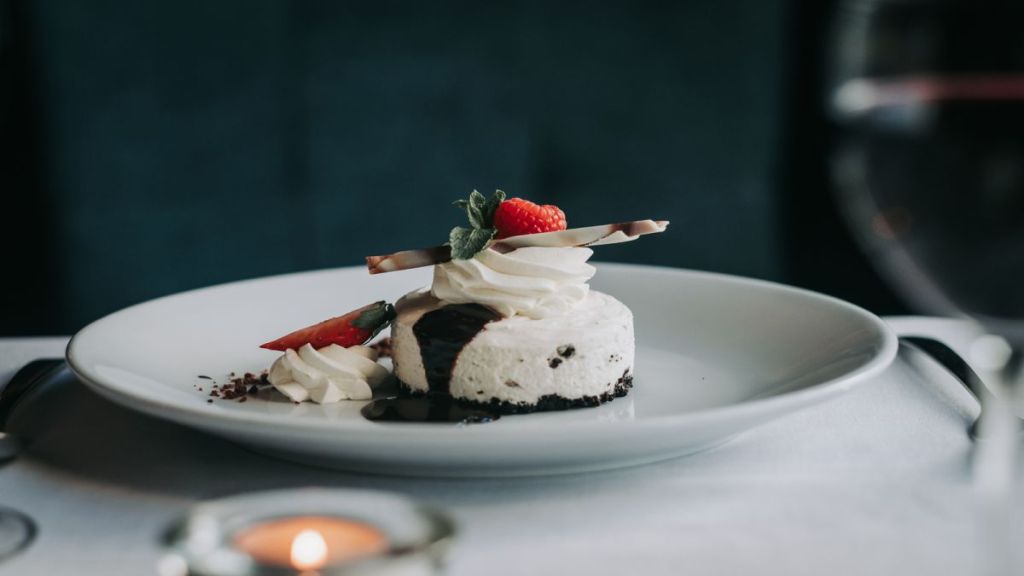
Breakdown of costs per person Bus €20, meal (2courses) €40, T/C/Scone €6.50, Entry to Heritage Centre €3 Guided tour of King John’s Castle €8.50 = €78 Tips borne mainly by the society.
Gerard Lovett is a retired member of An Garda Síochána and retired as a detective inspector in the Garda Special Branch in 2004. Since then, he was general secretary of the Garda Síochána Retired Members’ Association for seven years and was editor of their quarterly magazine Síocháin. He has written numerous articles on police history and has regularly given lectures to historical societies on both garda and RIC history, as well as famous historical murder cases.
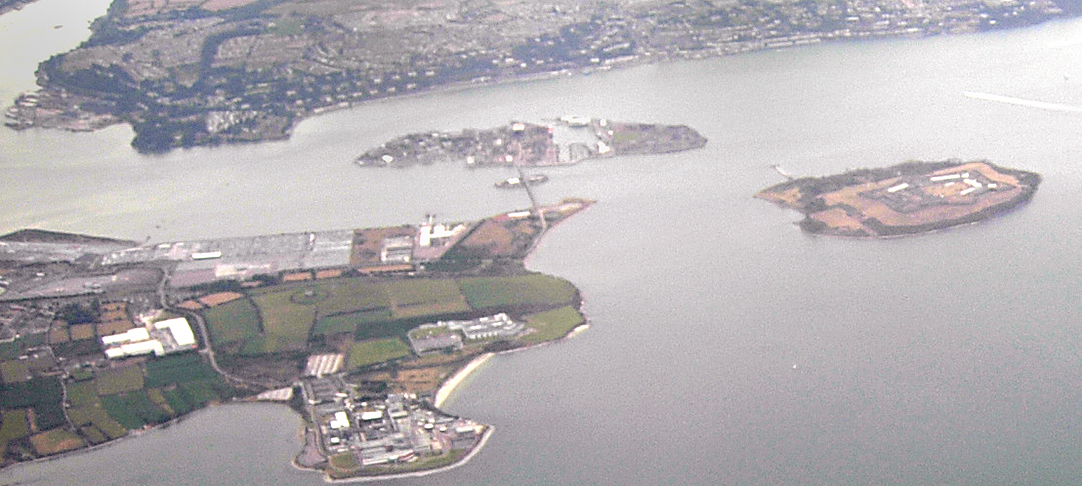
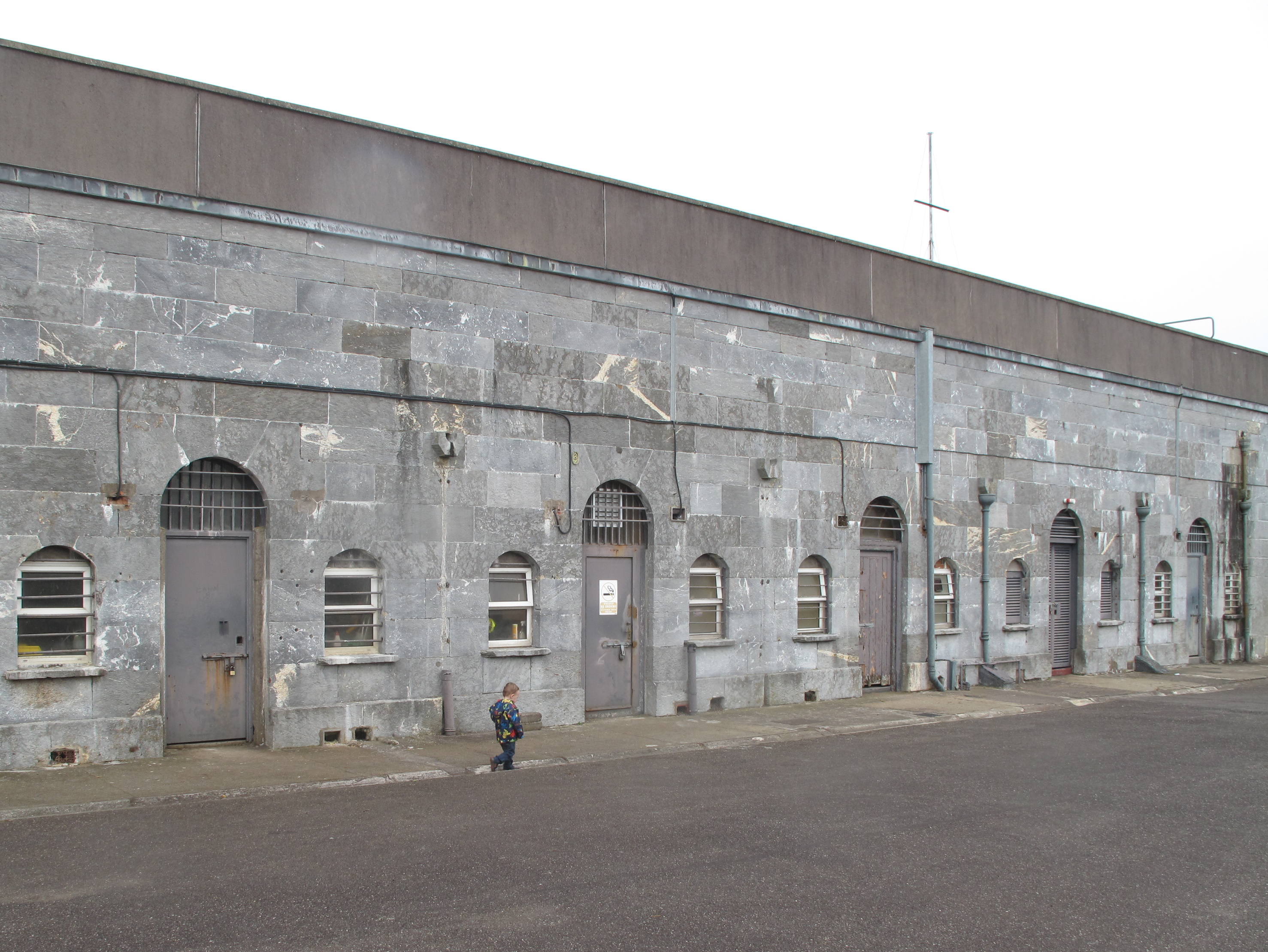
Spike Island’s strategic location within the harbour meant it was used at times for defence and as a prison. Since the early 21st century the island has been developed as a heritage tourist attraction,[4] with €5.5 million investment in exhibition and visitor spaces[5] and accompanying tourism marketing.[6] There were in excess of 81,000 visitors to the island during 2019, a 21% increase on 2018 numbers.[7][8] Spike Island was named top European tourist attraction at the 2017 World Travel Awards.[9] Source: wikipedia
Title: The 1973 Escape from Mountjoy Prison by Helicopter Speaker: Dr Mary Muldowney, Time: @ 7:45 PM Location:Iona Pastoral Centre
About the Author: Mary Muldownney – Historian in Residence – Dublin North-West at Dublin City Council Source: Linkedin page.
Quote: “My employment history includes research and writing, lecturing and training and project management. My current role as Historian in Residence for Dublin City Council involves all of the above, as well as enthusiasm for meeting people and encouraging them to engage with their own histories. In January 2024 I moved my area of responsibility from Dublin Central to Dublin North-West.
I am the author of books and journal articles based primarily on oral history interviews. These are in addition to a range of other publications (see indicative list below)”.
Sample list from 20 publications (via LinkedIn)
With Kelly Fitzgerald, “Oral Life Stories” in Liam Harte (Ed.), The History of Irish Autobiography.With Kelly Fitzgerald, “Oral Life Stories” in Liam Harte (Ed.), The History of Irish Autobiography.Cambridge University Press · Jan 1, 2018Cambridge University Press · Jan 1, 2018
“The brief and troubled life of the Sunday Journal” The Sunday Papers. The History of Ireland’s Weekly Press. “The brief and troubled life of the Sunday Journal” The Sunday Papers. The History of Ireland’s Weekly Press. Four Courts Press · Jan 1, 2018Four Courts Press · Jan 1, 2018
“That crazy idea of giving women the vote” in They didn’t go away. Women after the 1916 Rising.“That crazy idea of giving women the vote” in They didn’t go away. Women after the 1916 Rising.Stoneybatter & Smithfield People’s History Project · Jan 1, 2017Stoneybatter & Smithfield People’s History Project · Jan 1, 2017
The Mountjoy Prison Escape by Helicopter 1973
The Mountjoy Prison helicopter escape occurred on October 31, 1973, when three Provisional Irish Republican Army (IRA) volunteers escaped from Mountjoy Prison in Dublin, Ireland, by boarding a hijacked helicopter that briefly landed in the prison’s exercise yard. The escape was a major event that made headlines around the world and was an embarrassment to the Irish coalition government led by Fine Gael’s Liam Cosgrave.
The escapees, Seamus Twomey, J. B. O’Hagan, and Kevin Mallon, were recaptured within months, but the incident was a significant blow to the government’s security measures and led to a massive manhunt involving 20,000 members of the Irish Defence Forces and Garda Síochána.
AP Interview with helicopter pilot Captain Thompson Boyes, 1973.
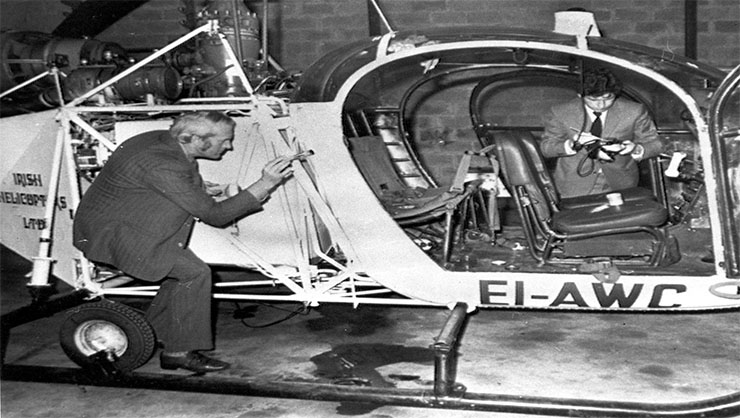
Photo Gallery: Click on any image to open the Gallery. An example of the Aérospatiale Alouette II helicopter used in the escape, with actual photos from a forensic examination of the helicopter used (2 photos), and the reporter Tom McCaughren reporting on the event for the main TV channel in Ireland RTÉ from Mountjoy Prison. Sources: commons.wikimedia.org; dublinfestivalofhistory.ie; anphoblacht.com; The Irish News (2 images).
Éalú (Escape) – Mountjoy Prison – originally a TG4 docudrama. (Irish language with English subtitles)
Source: PushPull Production. A 2021 update documentary as told through the eyes of four men who were in the prison that day, two Wardens and two Republican prisoners. This documentary illustrates how a 60 second event that took place over 50 years ago is imprinted on the memory of those who witnessed it.
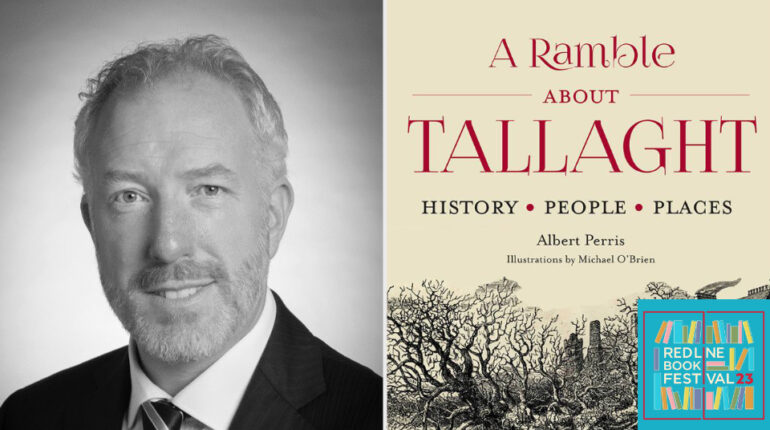
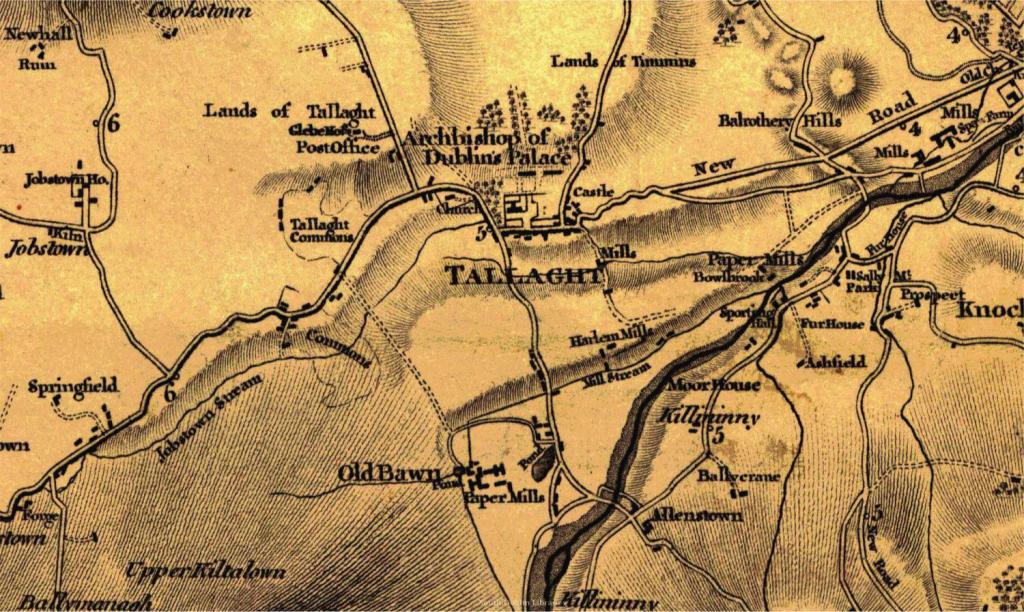
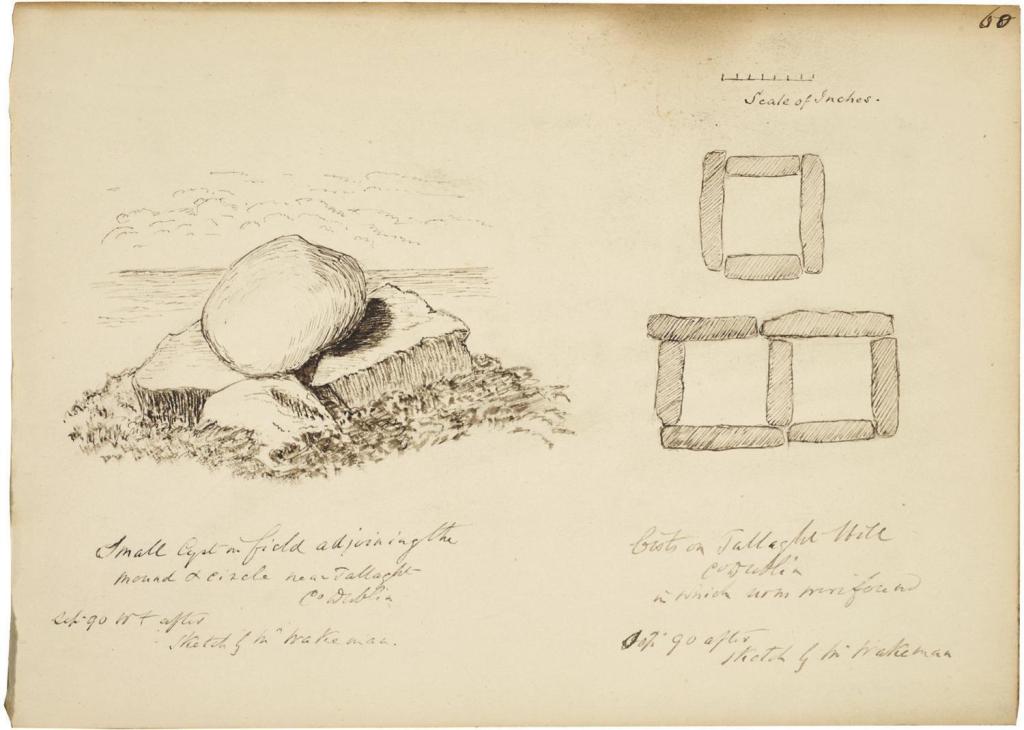
Title: A Ramble about Tallaght Speaker: Albert Perris Time: @ 7:45 PM Location:Iona Pastoral Centre
A Ramble about Tallaght
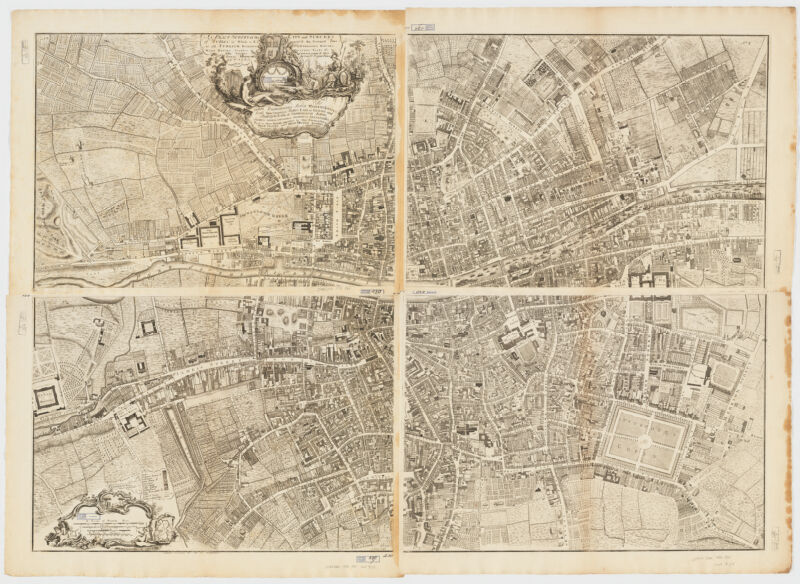
From its first mention in legend in the Book of Invasions, through early Christian monastic settlements, castles and grand residences, Fenian raids and the Battle of Tallaght, there has been huge change in Tallaght. In more recent times it has seen car and motorcycle racing, an aerodrome, the rise and fall of a chocolate factory and a pioneering telecommunications firm. The massive population explosion and rapid modernisation towards the end of the twentieth century means this once-tiny village in Dublin’s foothills is now home to over 80,000 people. Source: Amazon.com
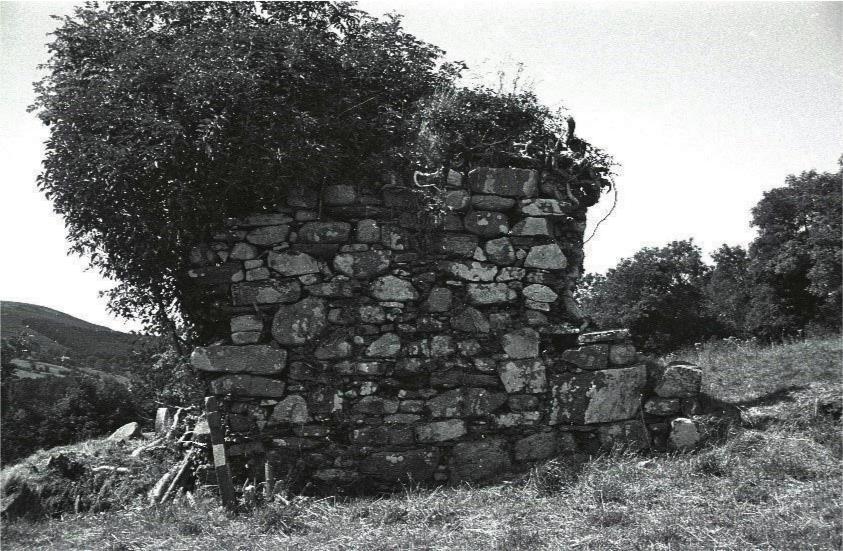
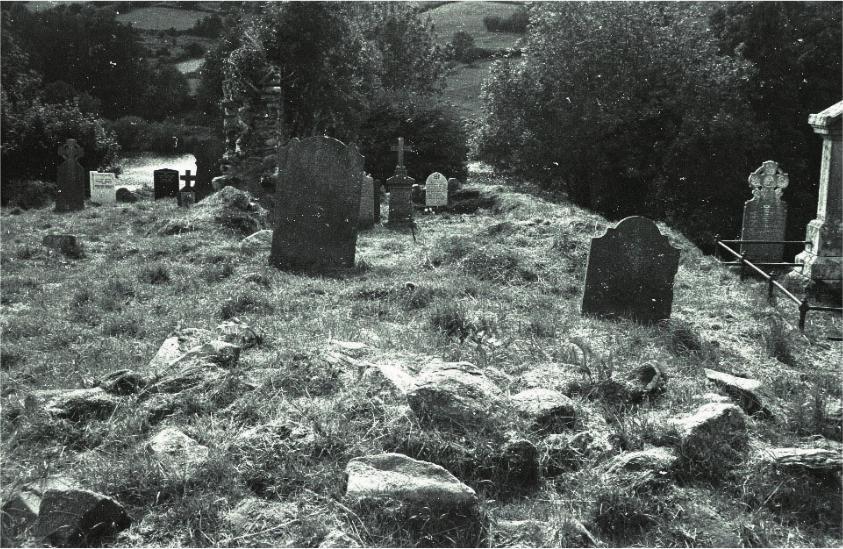
Gallery of images from ‘A Ramble about Tallaght’ – Click to Enlarge
Albert Perris was born in Tallaght in 1972. He has had a successful career in the community and voluntary sector for 25 years, managing and developing community, voluntary and social services throughout Ireland. He has served as National Manager of Specialist Services with the Society of Saint Vincent de Paul, Interim Head of Services with the national charity Alone, and CEO of national service provider Respond Support. Albert started his career as Co-Founder of the Tallaght Homeless Advise Unit in 1994, which resulted in him become involved in Social Research, undertaking numerous Social Research assignments in Tallaght, Clondalkin and Blanchardstown.
1999 saw the publication of “Since Adam was a boy: An Oral Folk History of Tallaght” (TWS), preserving for future generations, the oral histories and memories of some of Tallaght’s oldest residents, collected and collated over a two year period.
His work was published by the Forum on Youth Homelessness (2000), Blanchardstown Area Partnership (2000) and Clondalkin Partnership (1999).
After this Albert became heavily involved in Reminiscence Work with older people in Ireland, for which he was awarded a Social Entrepreneurs Award in 2009 for establishing a national initiative Reminiscence Ireland. He has trained Reminiscence Practitioners throughout Ireland. Through his passion for Reminiscence Work and Oral History, he discovered an equally enduring passion for Local History and its role in Community Identity and development. This led him to undertake “A Ramble About Tallaght”.
His book is richly illustrated with period photographs and original drawings by Michael O’Brien,
Title: Saint Brigid Speaker: Jacqui Dalton. Time: @ 7:45 PM Location:Iona Pastoral Centre
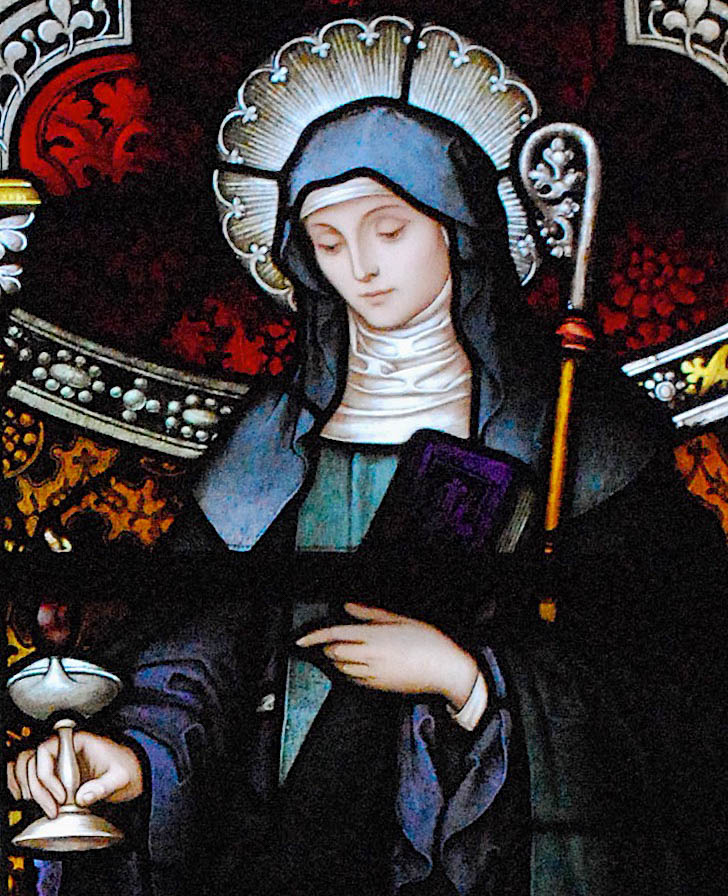
Saint Brigid of Kildare.
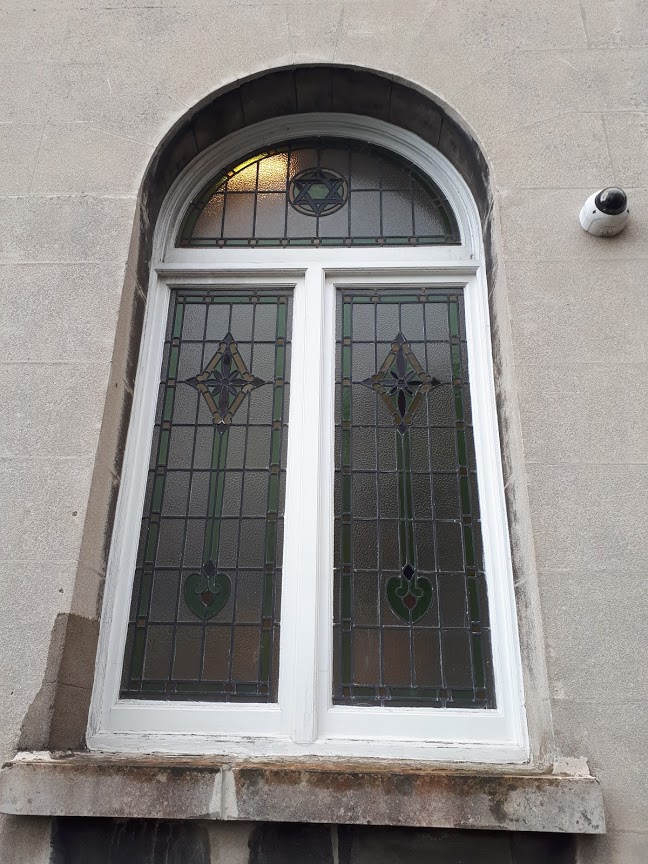
Stained glass window at St. Joseph Catholic Church in Macon, Georgia, United States
Saint Brigid of Kildare or Saint Brigid of Ireland (Irish: Naomh Bríd; Classical Gaelic: Brighid; Latin: Brigida; c. 451 – 525) is the patroness saint (or ‘mother saint’) of Ireland, and one of its three national saints along with Patrick and Columba. According to medieval Irish hagiographies, she was an abbess who founded the important abbey of Kildare (Cill Dara),[4] as well as several other convents of nuns.
They say Brigid was the daughter of a chieftain and a slave woman, and was raised in a druid‘s household before becoming a consecrated virgin. She is patroness of many things, including poetry, learning, healing, protection, blacksmithing, livestock and dairy production. Source: wikipedia
Brigid of Kildare, Pagan Goddess? Link (above) to Phillip Campbell’s written summary debunking claims that Saint Brigid of Kildare was a “transmogrified Celtic goddess”.
Video: Making a St. Brigid’s Cross by Michael Fortune (Folklore.ie)
Catherine Scuffil has an MA in Local History from Maynooth University. She is currently the Historian in Residence for Dublin’s South Central area which includes the historic Liberties and some of the city’s oldest suburbs. Catherine has written a number of local history books and an abridged version of her MA thesis was awarded the Old Dublin Society’s silver medal in 2018. Source: History on Your Doorstep.
Title: Warrenmount House Through Time Speaker: Maria O’Reilly Time: @ 8:00 PM Location:Iona Pastoral Centre
Aoife: The talk will be preceded by the A.G.M. at 7.30 p.m. sharp.
If anyone has an item for the Agenda please let me know as soon as possible. Proposals for the committee are also welcome.
Subs for 2023/2024 are also due. Please have the sub in an envelope with name and email address clearly written. individual membership €15.00, couples €20.00.
Looking forward to seeing you all, Aoife
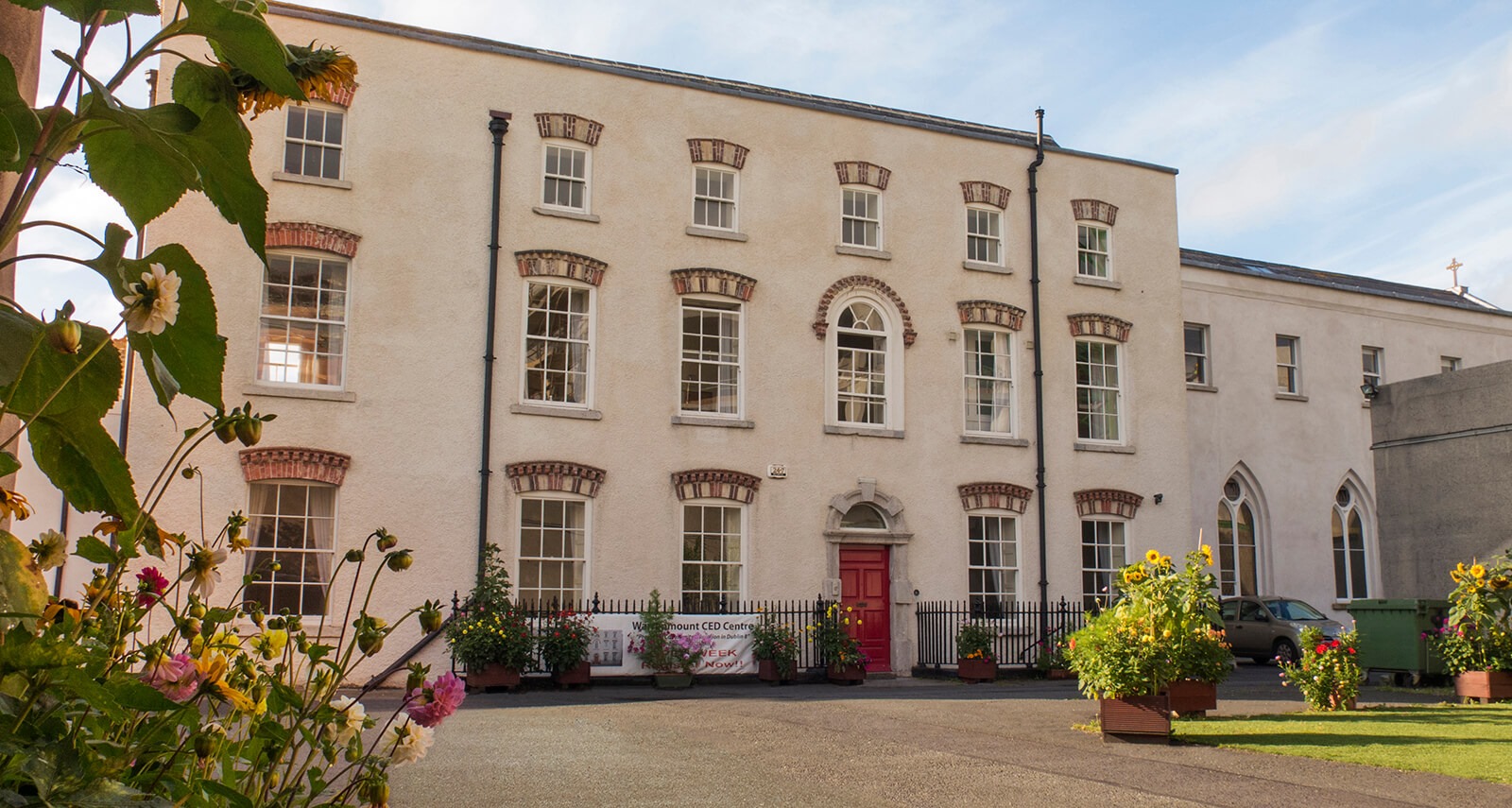
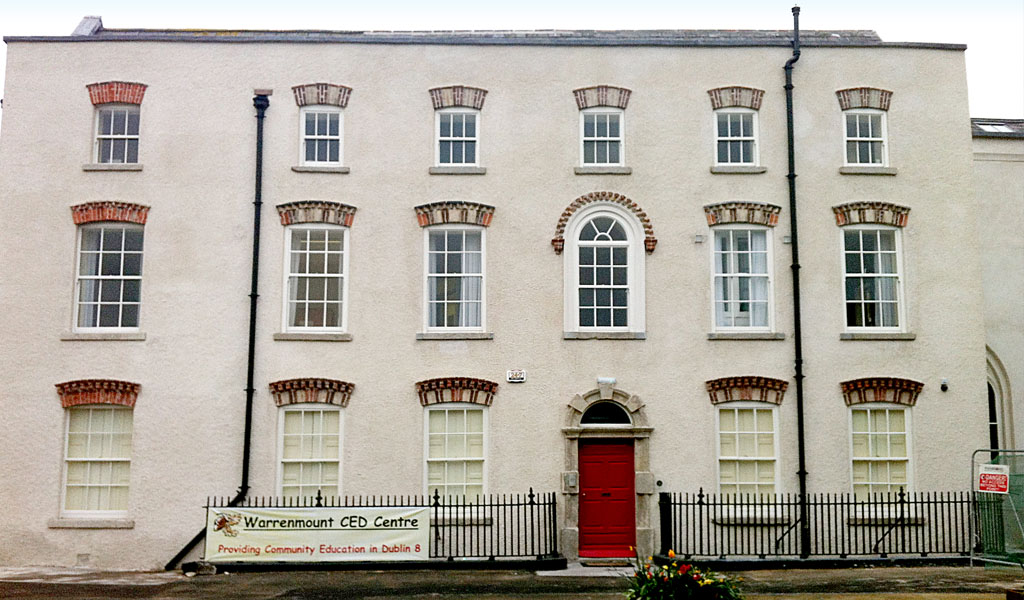
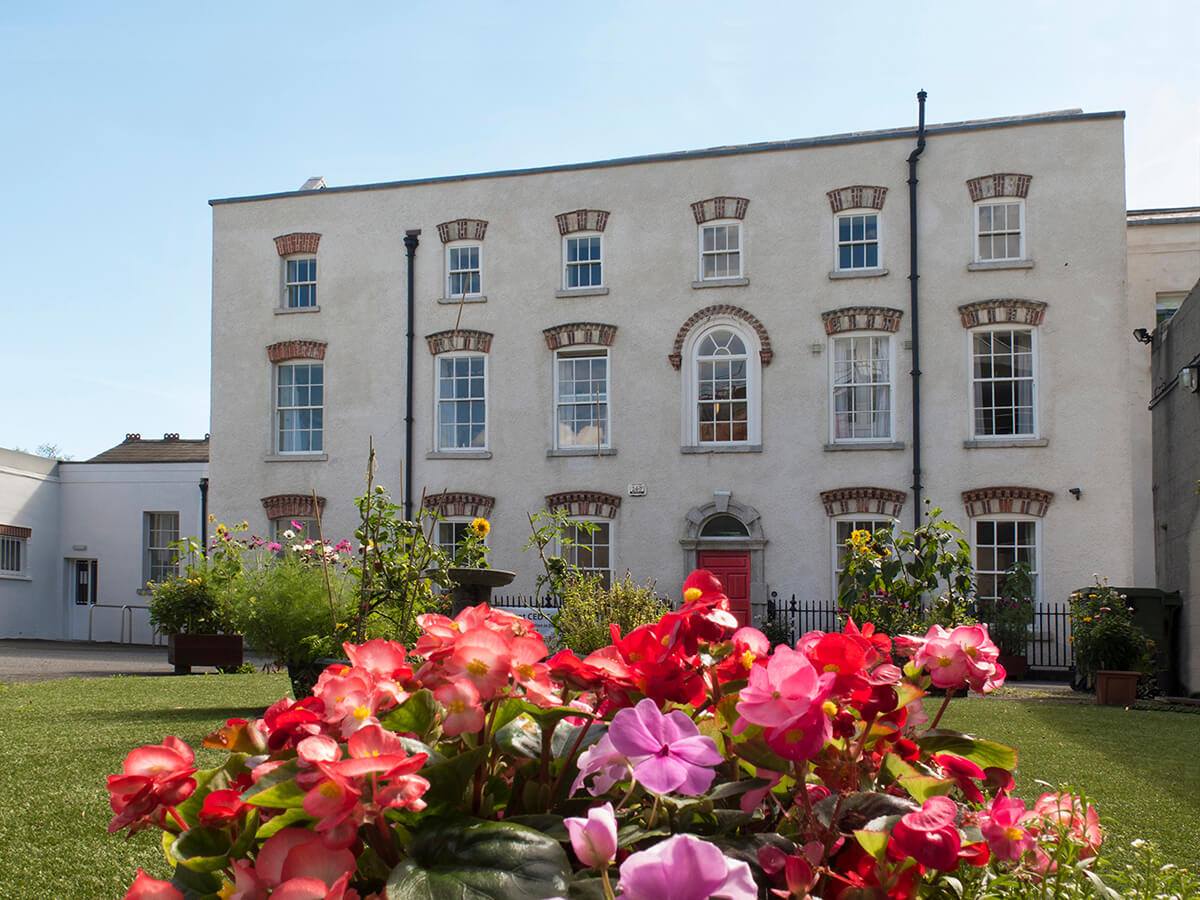
WARRENMOUNT HOUSE: “This rather beautiful building is tucked away off Mill Street, near Blackpitts, in one of the last places you would expect to find a mansion like this.
The building dates to the 1790s and was home to Nathaniel Warren, High Sheriff of Dublin and later Lord Mayor. In a pique of modestly, he humbly named his residence Warrenmount … after himself.
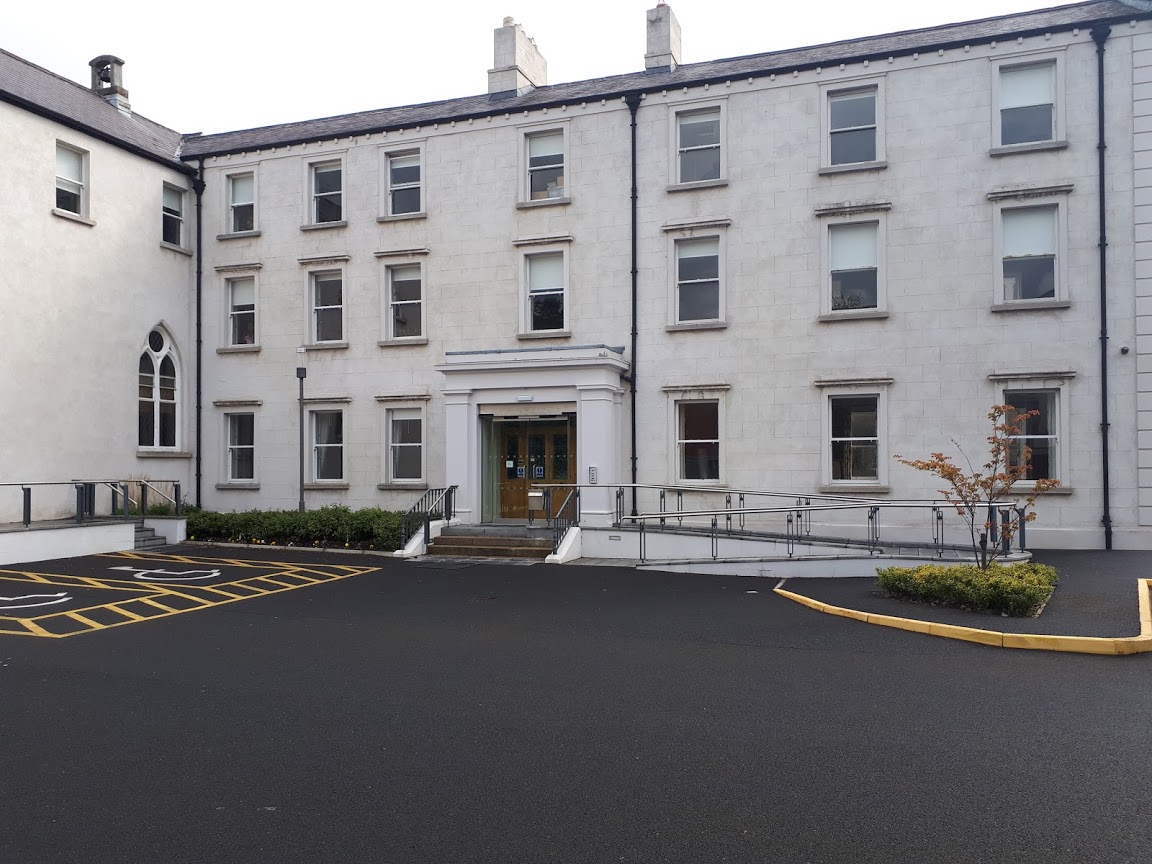
In 1813 Warrenmount was transformed into a Carmelite convent and a school for girls was opened. Ownership later transferred to the Presentation Sisters. The building was extensively renovated in 2008 and is now occupied by the Warrenmount Community Education Centre.
The grounds of Warrenmount contains one of the only spots in Dublin 8 where the River Poddle emerges from its subterranean course and you can hear the famous river the trickling by”.
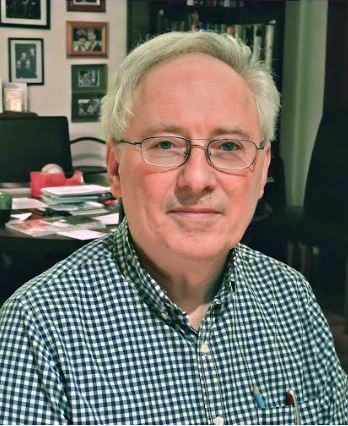
Title: Séamus Ennis: An Fear Ceoil Speaker: Dr James Cully Time: @ 7:45 PM Location:Iona Pastoral Centre
Aoife: You may remember the splendid talk James gave about the stained glass artist, Harry Clarke some years ago. I think we will enjoy some recordings of Séamus’ playing during the evening. It should be a very pleasant evening..
Seamus Ennis in 1955
Séamus Ennis (Irish: Séamas Mac Aonghusa; 5 May 1919 – 5 October 1982) was an Irish musician, singer and Irish music collector.[1] He was most noted for his uilleann pipe playing and was partly responsible for the revival of the instrument during the twentieth century, having co-founded Na Píobairí Uilleann, a nonprofit organisation dedicated to the promotion of the uilleann pipes and its music. He is recognised for having preserved almost 2,000 Irish songs and dance-tunes as part of the work he did with the Irish Folklore Commission.[2] Ennis is widely regarded as one of the greatest uilleann pipers of all time.[2]
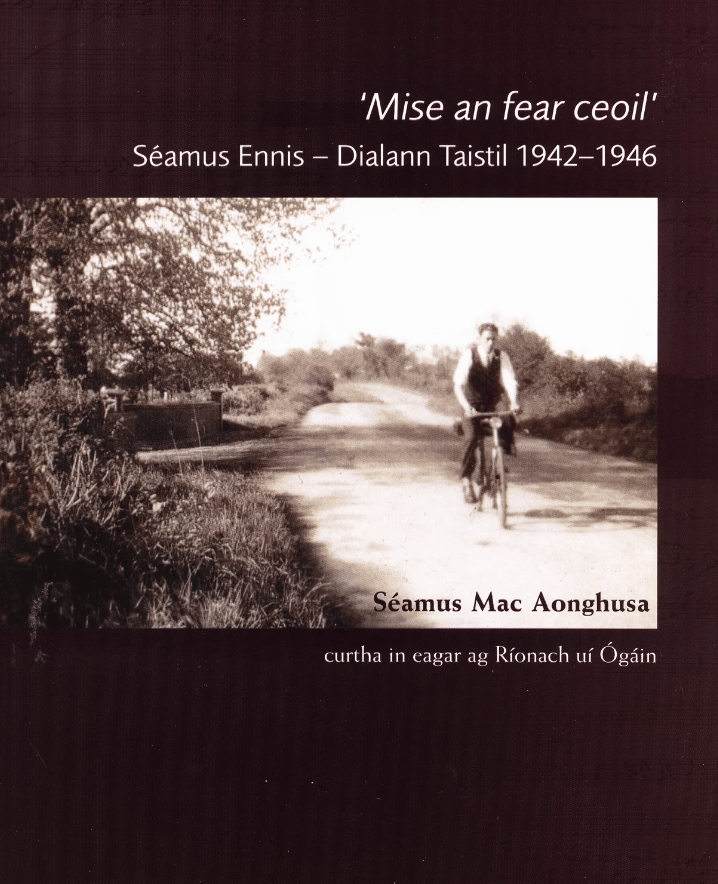
Mise an fear ceoil: Séamus Ennis-Dialann Taistil 1942–1946 This book provides a fascinating insight into the life and work of piper and music collector Séamus Ennis during his period as full-time collector with the Irish Folklore Commission when he worked in counties Galway, Clare, Mayo, Donegal, Limerick and Cavan. Authors: Séamus Mac Aonghusa agus Ríonach uí Ógáin
Music: The Rainy Day/The Merry Blacksmith/The Silver Spear
It is with great sadness that I inform you of the death of Aidan O’Hara, a very faithful member of many years of Knocklyon History Society. Aidan was a great help in the founding of Knocklyon History Society. In fact he part gave the first public lecture of the society in 1997 commemorating the 1400th death of Saint Colmcille. He spoke to the society on many topics since, Women in the American Civil War, The Remarkable Colums – The Family of Padraig Colum and recently in the ‘zoom’ era he helped out speaking about the Famine in Longford and how his own family was affected by it..
We sympathise with Joyce and the family. Suaimhneas síorai dá anam agus go gcumhdai na haingle é ar shli na fírinne.
Aoife
All the particulars regarding Aidan’s Funeral on Saturday in St Mel’s Cathedral, Longford are on RIP (active link).

























 Knocklyon History Society


