Title: ‘Ned Broy – 1887 – 1972, An Extraordinary Life’
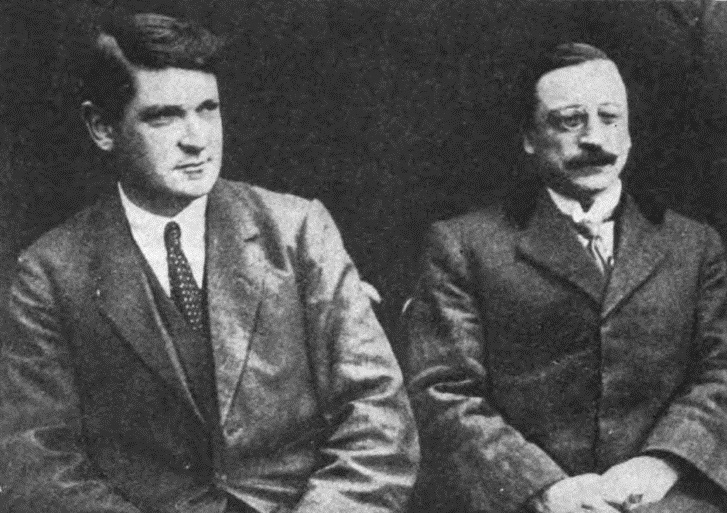
Michael Collins’s Dublin Castle Informant
Speaker: Brendan McCauley
Time: @ 7:45 PM
Location: Iona Pastoral Centre
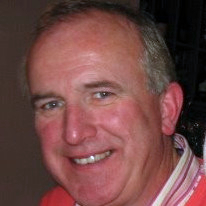
About: Brendan McCauley, M.Ed (Educational Management).
Brendan was principle in Coláiste Éanna and Chairperson of the Board of Loretto High School, Beaufort. He was also heavily involved in a broad range of educational initiatives especially since his retirement including mentoring of newly appointed principles, emphasising excellence in teaching and learning, strategic short and medium term planning. Acting as an examiner for DCU in the role of placement tutor observing and evaluating student teachers in second level schools. Acting as an examiner for the Marino Institute of Education in the role of placement tutor observing and evaluating student teachers in the further education sector. Sitting on the Board of Directors of the Edmund Rice Schools Trust and chairing the Ethos Subcommittee. Sitting on the Safeguarding Committee of the Carmelite Order in Ireland. For more information please link here: Linkedin.com

Brendan is also writer and presenter of The Belly of Beast Podcast (GoLoud)
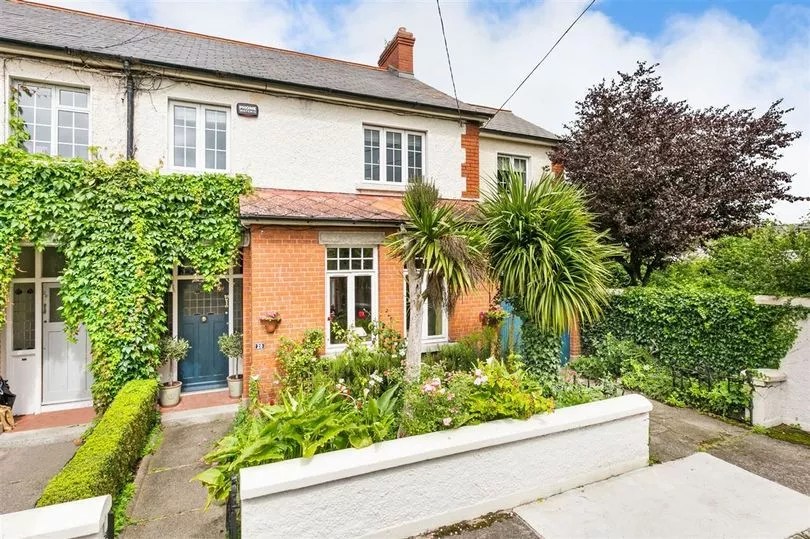
On the 100th anniversary of the death of Michael Collins, this podcast tells the fascinating story of Ned Broy, the double agent who helped Collins change the course of Irish history. The story begins when a Dublin based history teacher named Brendan McCauley learns that he has bought Ned Broy’s original home. This starts a voyage of discovery concerning Broy and his critical involvement in Irish history.
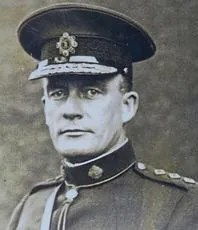
Eamon “Ned” Broy, born in 1887 and died in 1972, was a significant figure during the Irish War of Independence, acting as a double agent within the Dublin Metropolitan Police (DMP) and providing crucial intelligence to Michael Collins. He joined the DMP in 1911 and worked as a clerk in G Division, the intelligence branch of the DMP, where he copied sensitive files for IRA leader Michael Collins.
On April 7, 1919, Broy smuggled Collins into G Division’s archives in Great Brunswick Street (now Pearse Street), enabling Collins to identify “G-Men,” six of whom would later be killed by the IRA. This operation was less dramatic than depicted in the film “Michael Collins,” where Broy is inaccurately portrayed as having been arrested, tortured, and killed by SIS agents.
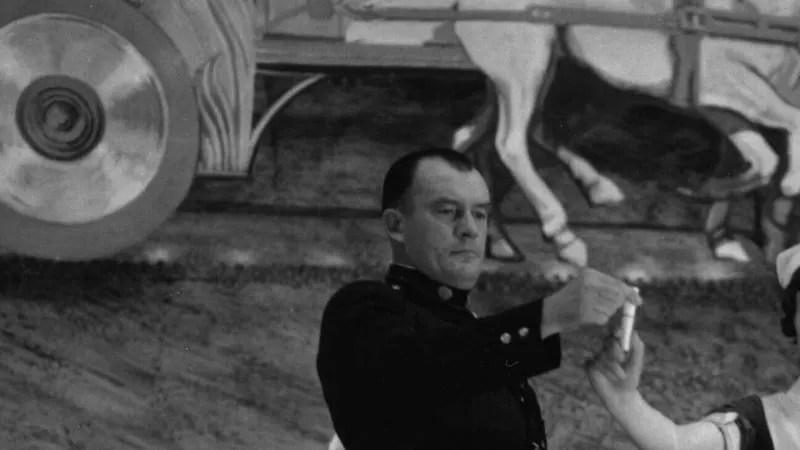
Broy supported the Anglo-Irish Treaty of 1921 and joined the National Army during the Irish Civil War, reaching the rank of colonel. He later became the Garda Commissioner in 1933, a position he held for five years, and established the Auxiliary Special Branch within the Gardaí, nicknamed the “Broy Harriers”.
Clcik to enlarge images.
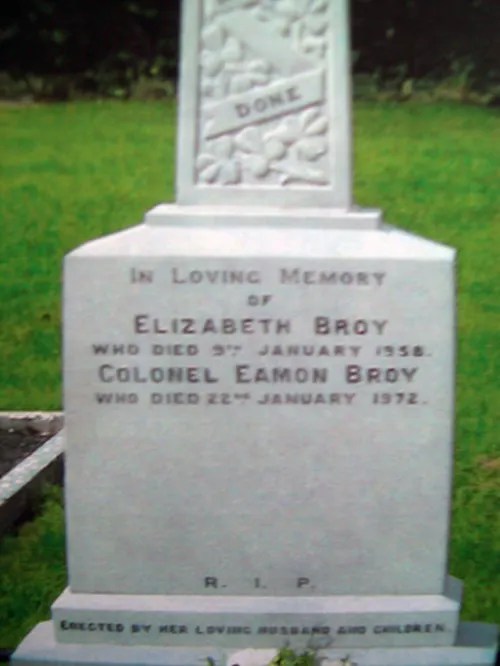

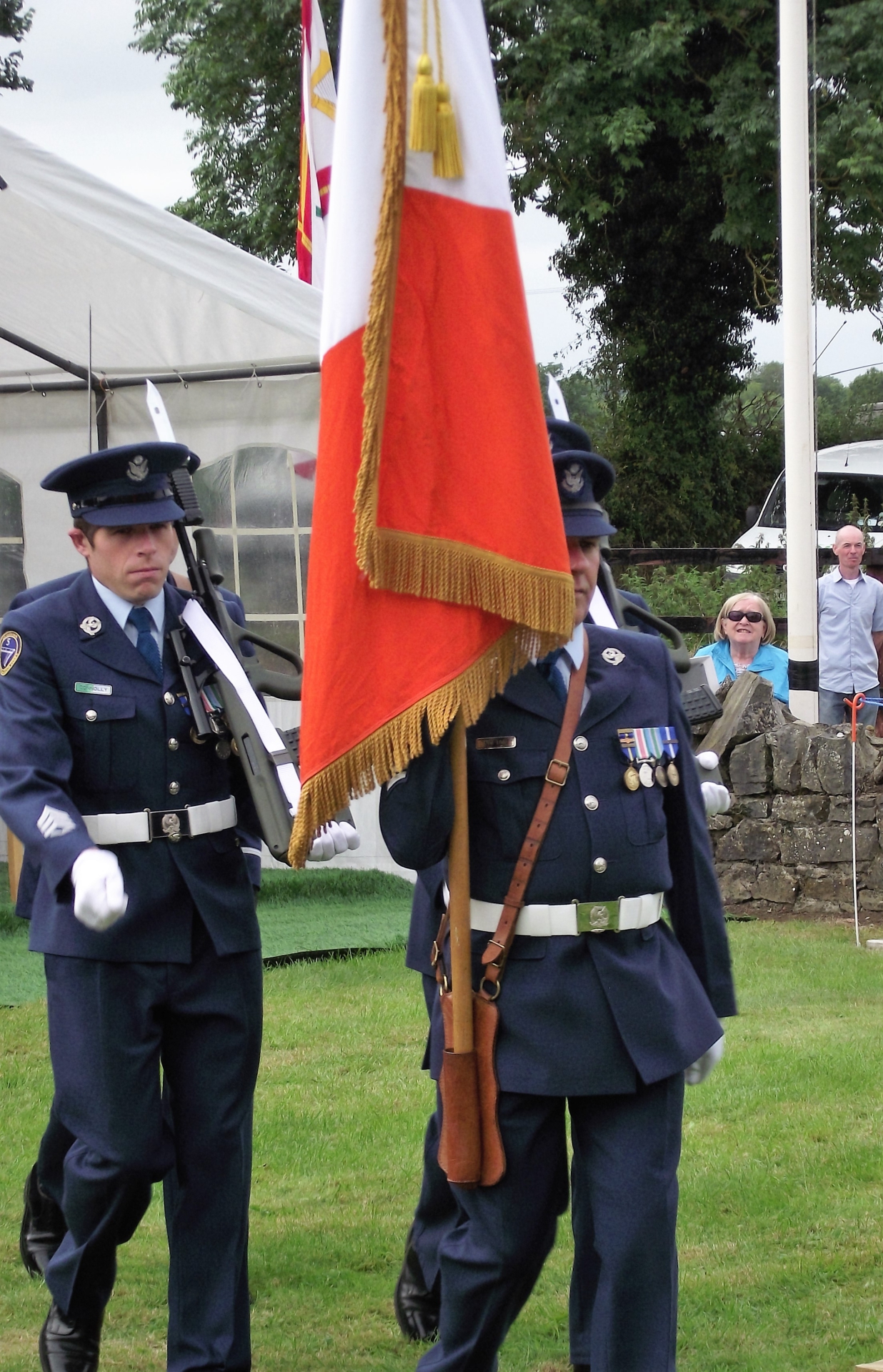
In recognition of his contributions, a monument was unveiled in his honor in 2016 at his graveside in Coolygagen cemetery, County Offaly.
Left image: Ned Bory’s grave. Middle image; Aine Broy, Ned’s daughter, at unveiling of the monument to her father Eamonn ‘Ned’ Broy in 2016. Right image: The Tri-Colour lowered and marched from Cooleygagen following the Broy memorial event in 2016.
Main bullet points:
- Eamon “Ned” Broy: Born in 1887, died in 1972, served as a double agent within the DMP, provided intelligence to Michael Collins, and later became Garda Commissioner.257
- Michael Collins: Irish revolutionary leader who received vital intelligence from Broy during the Irish War of Independence.257
- Dublin Metropolitan Police (DMP): Police force in Dublin where Broy worked as a clerk in G Division, the intelligence branch, and copied sensitive files for Collins.257
- G Division: Intelligence branch of the DMP where Broy worked and provided information to Collins.257
- National Army: Military force Broy joined during the Irish Civil War, reaching the rank of colonel.27
- Garda Síochána: Irish national police force where Broy served as Commissioner from 1933 to 1938 and established the Auxiliary Special Branch.27
- Auxiliary Special Branch: Formed by Broy in 1934 within the Gardaí, nicknamed the “Broy Harriers”.27
- Coolygagen Cemetery: Location of Broy’s graveside where a monument was unveiled in his honor in 2016.35
- Michael Russell’s “The City of Shadows”: A detective novel where Broy makes an appearance, set partly in Dublin in the 1930s.
Links below. AI-generated answer. Please verify critical facts.
A night on the files – Michael Collins’s undercover intelligence mission of April 1919 – en.wikipedia.org Eamon Broy – Wikipedia – offalyexpress.ie’One of our best men’ – The remarkable story of the local man who spied for Michael Collins – Offaly Live









 Knocklyon History Society