February 12th 2025

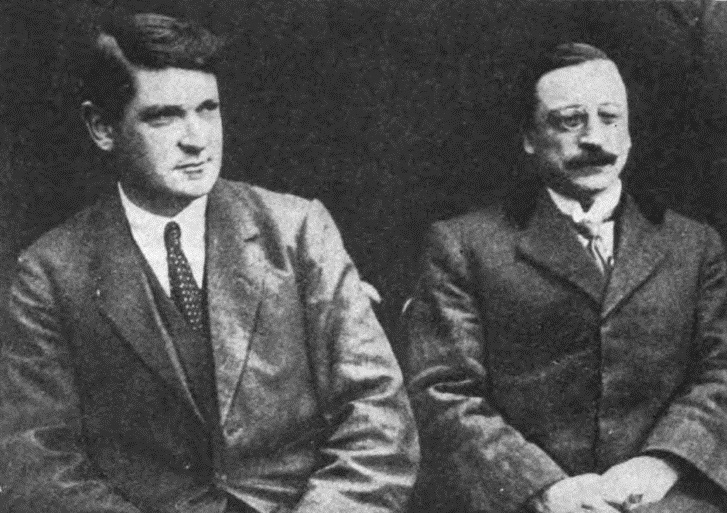
Title: Arthur Griffith and Michael Collins in Contrast
Speaker:  by Catherine Scuffil and Liz Gillis
Time: @ 7:45 PM
Location: Iona Pastoral Centre
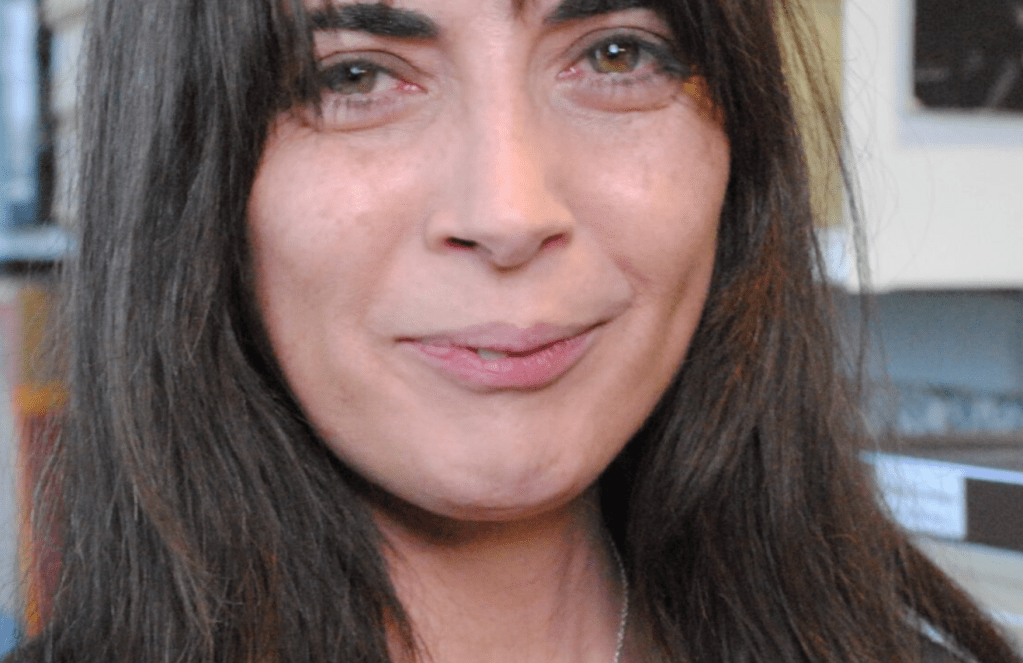
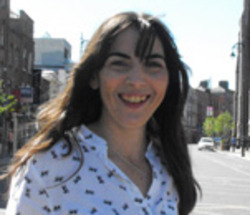
Catherine Scuffil has an MA in Local History from Maynooth University. She is currently the Historian in Residence for Dublin’s South Central area which includes the historic Liberties and some of the city’s oldest suburbs. Catherine has written a number of local history books and an abridged version of her MA thesis was awarded the Old Dublin Society’s silver medal in 2018.
Source: History on Your Doorstep.

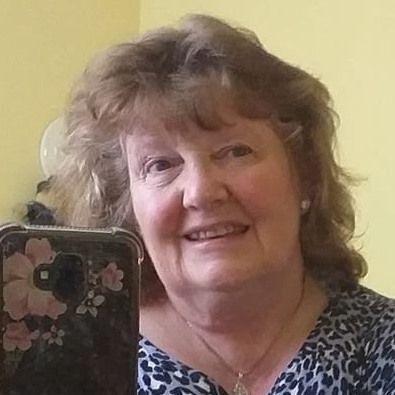
Liz Gillis is an author and historian from the Liberties. She has a Diploma in Classical Animation Studies and a Degree in Irish History. Liz currently works as a Researcher for the History Show on RTE Radio and has lectured at Champlain College since 2018. She was a Curatorial Assistant in RTE, specialising in researching the Easter Rising and a tour guide for many years in Kilmainham Gaol. Liz is the author of six books about the Irish Revolution. In 2018 Liz was a recipient of the Lord Mayor’s Award for her contribution to history.
Source: Champlain College.


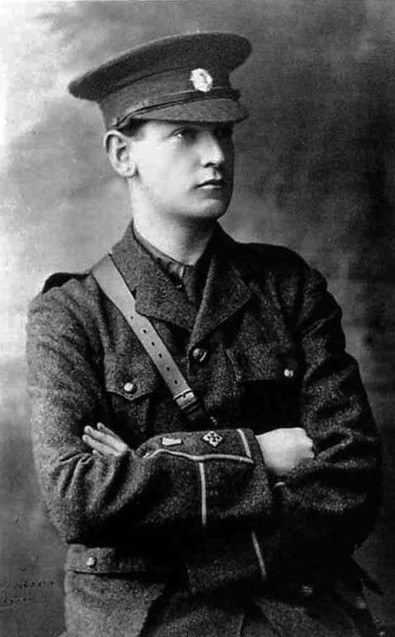
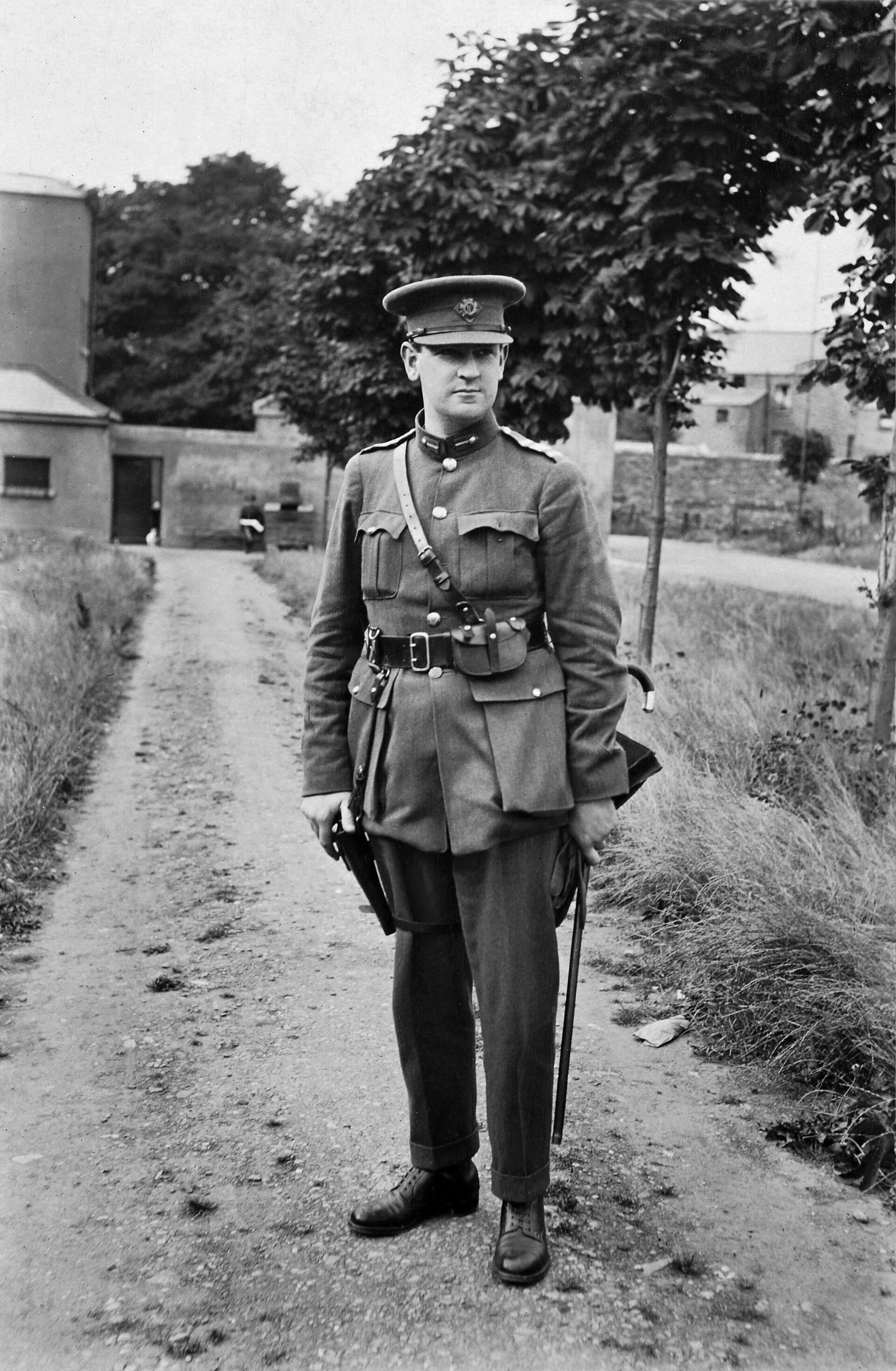
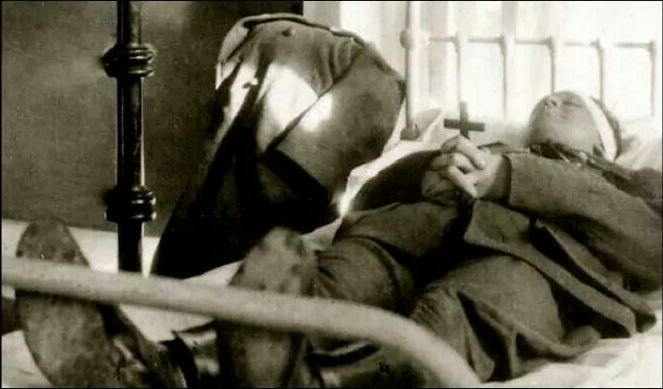
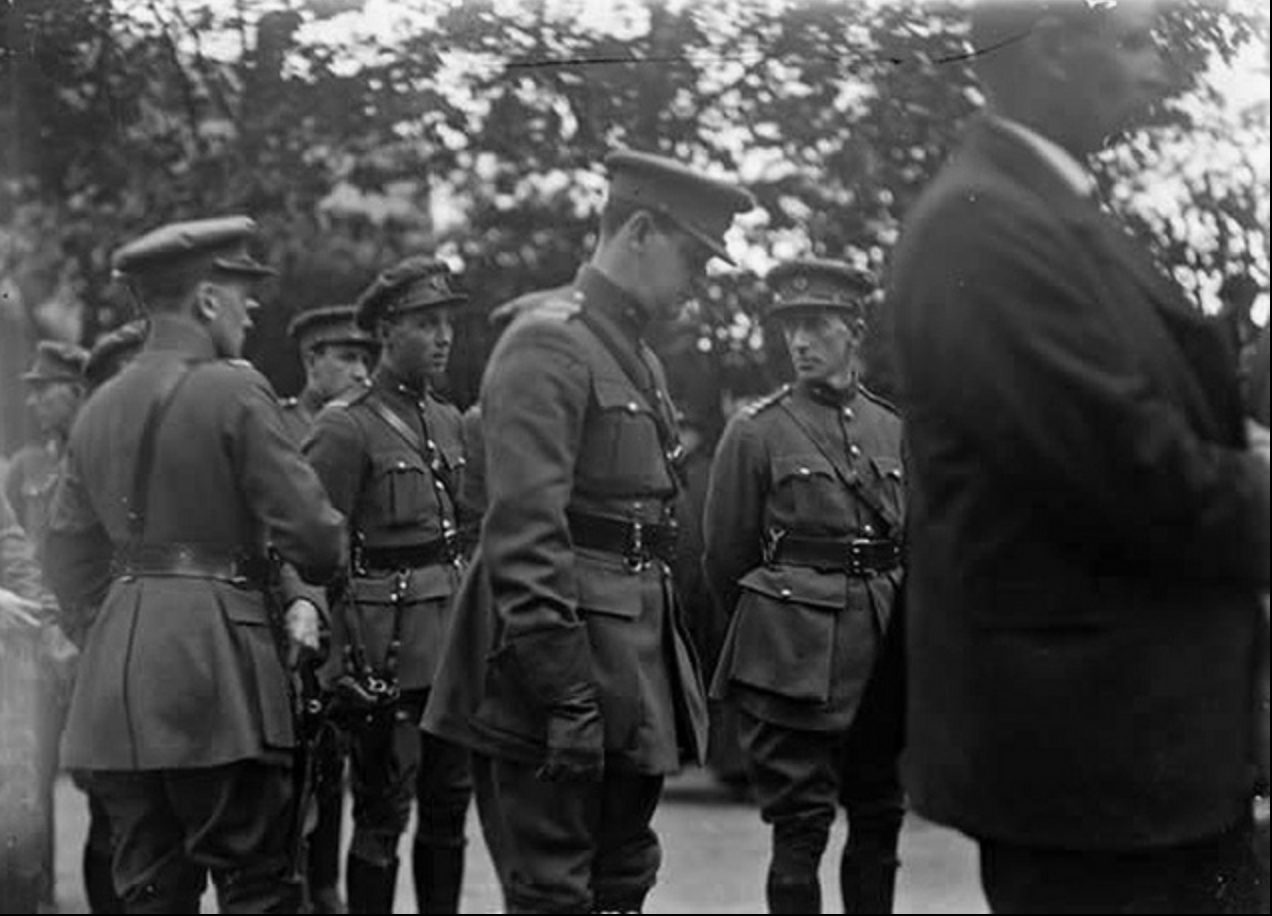
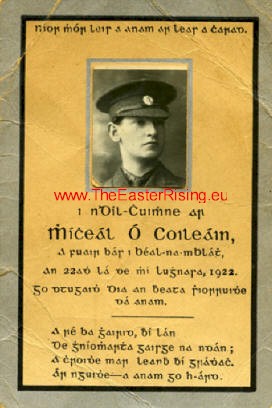
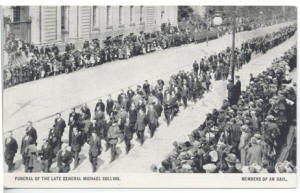
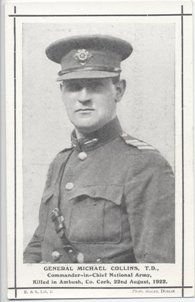
Michael Collins Photo Gallery: click image to enlarge.
Click on the (i) Information icon for further information on some images.

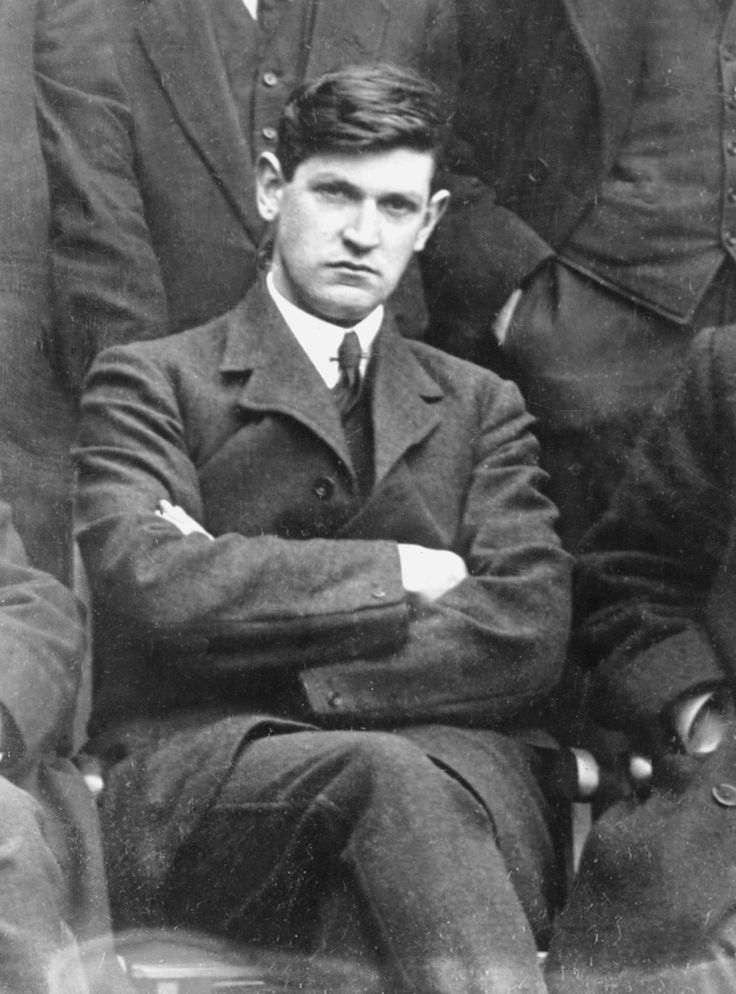
Michael Collins (IrishMícheál Ó Coileáin;[1] 16 October 1890 – 22 August 1922) was an Irish revolutionary, soldier and politician who was a leading figure in the early-20th century struggle for Irish independence.[2] During the War of Independence he was Director of Intelligence of the Irish Republican Army (IRA) and a government minister of the self-declared Irish Republic. He was then Chairman of the Provisional Government of the Irish Free State from January 1922 and commander-in-chief of the National Army from July until his death in an ambush in August 1922, during the Civil War.

Source: en.wikipedia.org


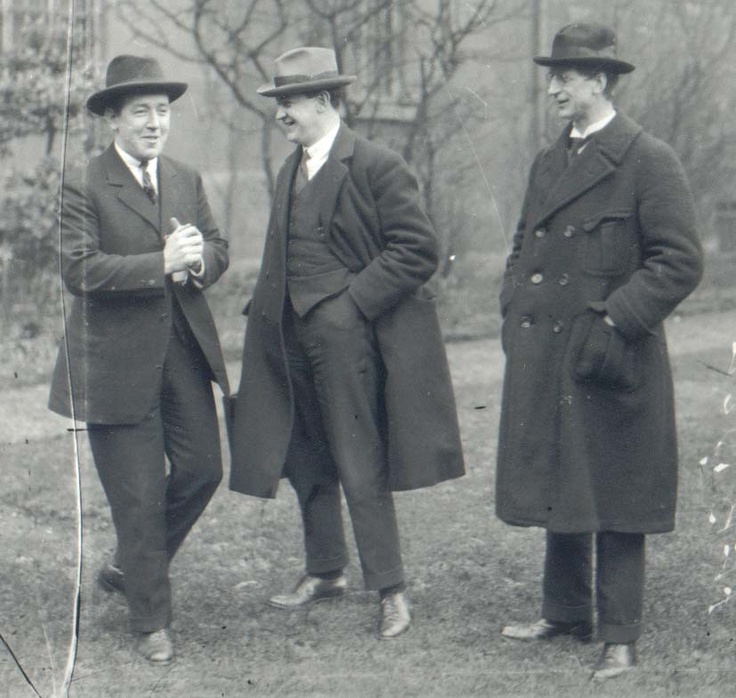
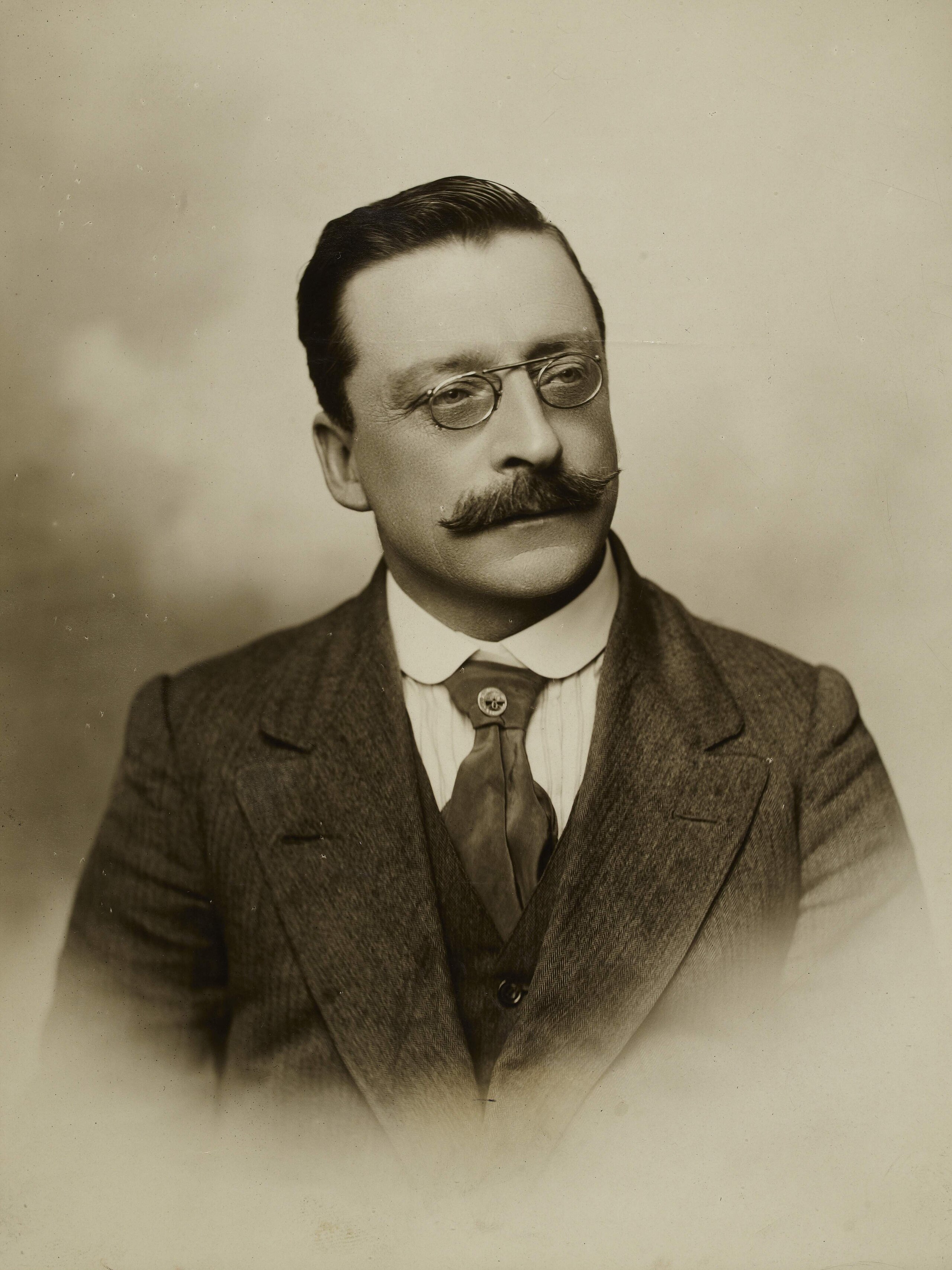
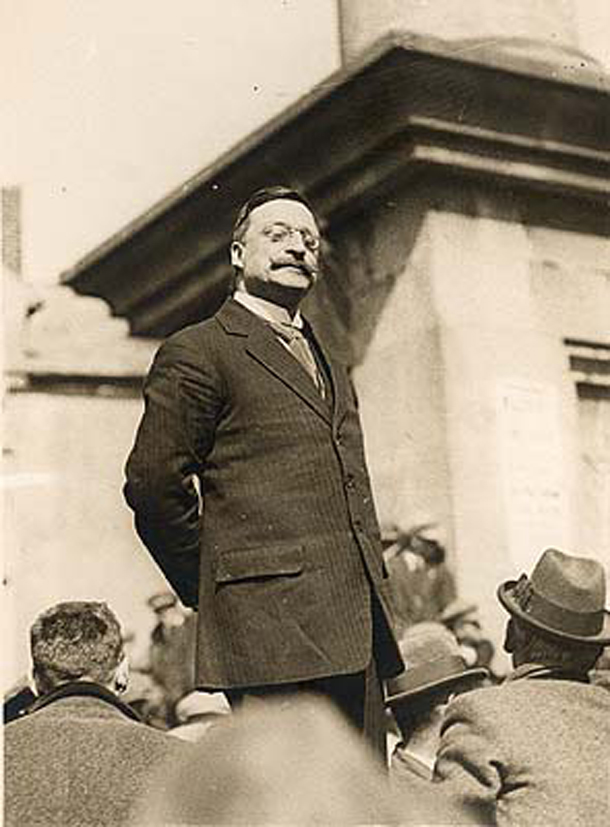
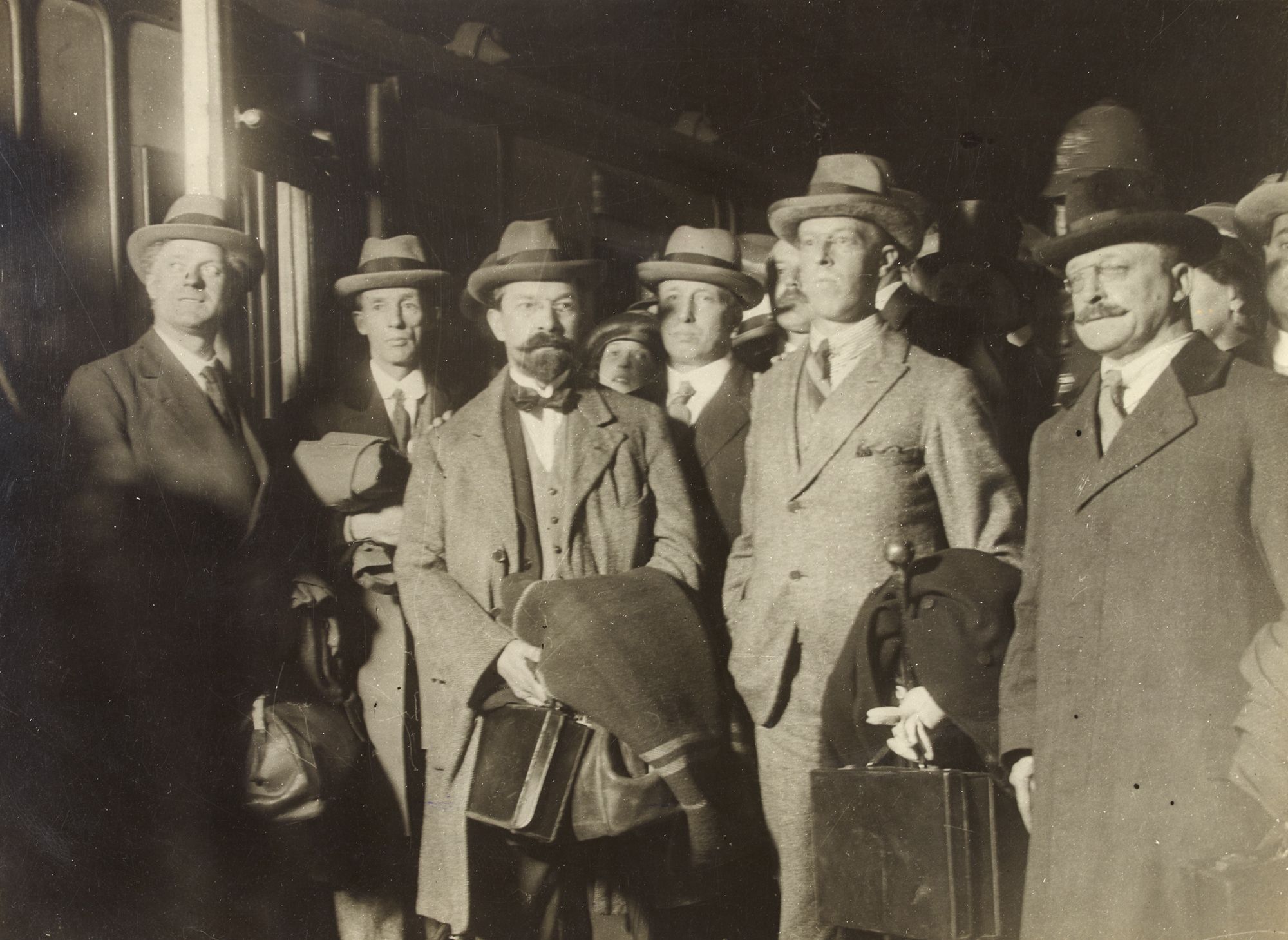
Arthur Griffith Photo Gallery: click image to enlarge.
Click on the (i) Information icon for further information on some images.

Arthur Joseph Griffith (IrishArt Seosamh Ó Gríobhtha or Art Ó Gríofa; 31 March 1871 – 12 August 1922) was an Irish writer, newspaper editor and politician who founded the political party Sinn Féin. He led the Irish delegation at the negotiations that produced the 1921 Anglo-Irish Treaty, and served as the president of Dáil Éireann from January 1922 until his death later in August.

Source: en.wikipedia.org


Commentary
While both men were instrumental in the struggle for Irish independence, their visions for Ireland’s future differed. Griffith’s approach was more moderate and sought to find a compromise with Britain, while Collins was more radical and focused on achieving full independence. Despite their differences, they worked together during the negotiations of the Anglo-Irish Treaty and both died within ten days of each other in 1922, during the Irish Civil War.

Source: Brave (Leo) AI summary


Other references:
Jock McPeake was the last person to speak with Michael Collins before he was shot during the ambush. Jock was the Vickers machine gunner in the armoured car in which Collins was travelling in and recounts those last moments when it came under fire on “its return journey from Collins’ home in Woodfield near Clonakilty.
More details: independent.ie


Source: Ireland Made – Stories of Irish Transport.

Sliabh na mBan – The Jewel in the crown. By Bob Webster & Sister Veronica Treacy
History of the famous armoured car used by Michael Collins, with further images.


Source: curragh.info.


Memorabilia from the 1916 Easter Rising. Photo Gallery: click image to enlarge.
Click on the (i) Information icon for further information on some images.

Source: theeasterrising.eu


November 9th 2022

Title ‘Rebel Stateman: The Life & Times of W.T. Cosgrave’
First President of the Executive Council of the Irish Free State
Speaker: Liz Gillis & Catherine Scuffil
Time: @ 7:45 PM
Location: Iona Pastoral Centre

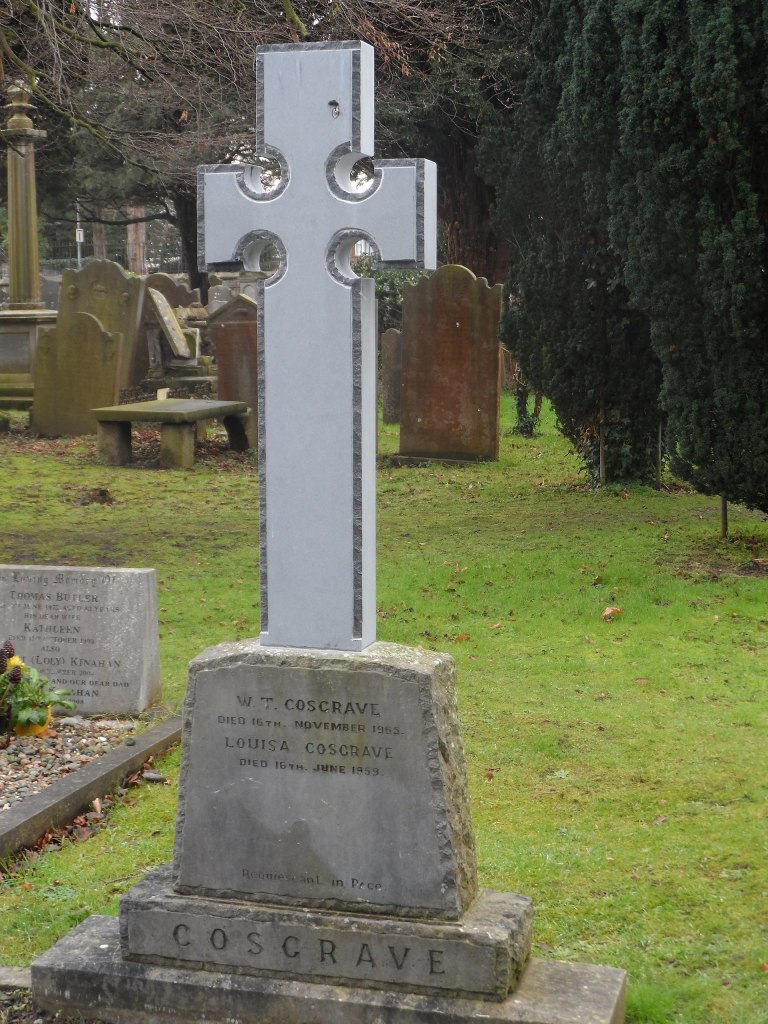
William Thomas Cosgrave (5 June 1880 – 16 November 1965) was an Irish Fine Gael politician who served as the president of the Executive Council of the Irish Free State from 1922 to 1932, leader of the Opposition in both the Free State and Ireland from 1932 to 1944, leader of Fine Gael from 1934 to 1944, founder and leader of Fine Gael’s predecessor, Cumann na nGaedheal, from 1923 to 1933, chairman of the Provisional Government from August 1922 to December 1922, the president of Dáil Éireann from September 1922 to December 1922, the minister for Finance from 1922 to 1923 and minister for Local Government from 1919 to 1922. He served as a Teachta Dála (TD) from 1921 to 1944. He was a Member of Parliament (MP) for the North Kilkenny constituency from 1918 to 1922.[1]

While Cosgrave never officially held the office of Taoiseach (the current title of Ireland’s prime minister, created in 1937), he is recognised to have been the first Taoiseach due to having been the Free State’s first head of government. His son, Liam, served as Taoiseach from 1973 to 1977.

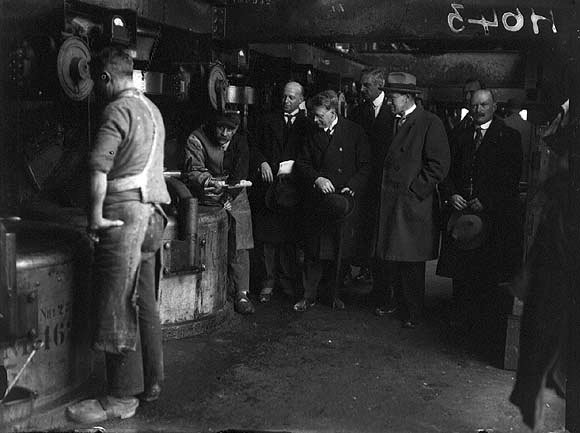
Left image: Cosgrave (holding furled umbrella) visiting the sugar beet processing factory at Strawhall, County Carlow October 1926

Right image: Cosgrave (standing, far-right, wearing the star and sash of the Order of Pope Pius IX) representing the Irish Free State at the 1926 Imperial Conference in London, along with King George V and the Prime Ministers of the United Kingdom, Canada, Newfoundland, Australia, New Zealand and South Africa.

Source: wikipedia.org


About the Authors:

Liz Gillis is an author and historian from the Liberties. She has a Diploma in Classical Animation Studies and a Degree in Irish History. Liz currently works as a Researcher for the History Show on RTE Radio and has lectured at Champlain College since 2018. She was a Curatorial Assistant in RTE, specialising in researching the Easter Rising and a tour guide for many years in Kilmainham Gaol. Liz is the author of six books about the Irish Revolution. In 2018 Liz was a recipient of the Lord Mayor’s Award for her contribution to history.
Source: Champlain College.

Catherine Scuffil has an MA in Local History from Maynooth University. She is currently the Historian in Residence for Dublin’s South Central area which includes the historic Liberties and some of the city’s oldest suburbs. Catherine has written a number of local history books and an abridged version of her MA thesis was awarded the Old Dublin Society’s silver medal in 2018.
Source: History on Your Doorstep.