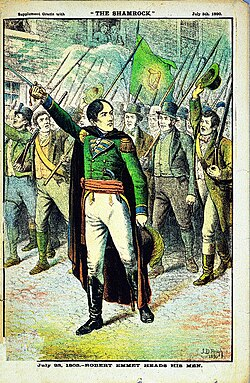
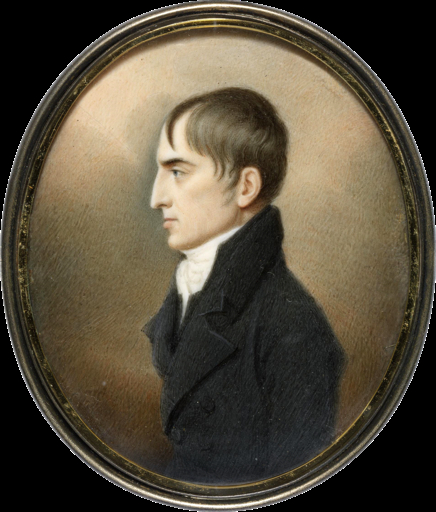
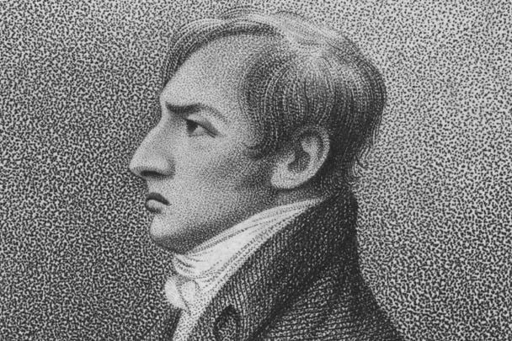
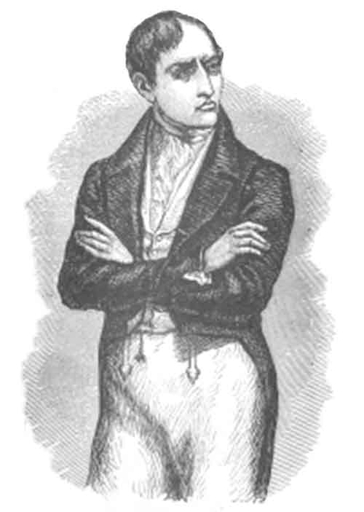
Title: The Lives and Legacies of Robert Emmet and Anne Devlin Speaker: Liz Gillis Time: @ 7:45 PM Location:Iona Pastoral Centre
Historian and author Liz Gillis is from the Liberties. Specialising in the Irish Revolution, she is the author of six books including, ‘The Fall of Dublin’, ‘Revolution in Dublin’, ‘Women of the Irish Revolution’, ‘The Hales Brothers and the Irish Revolution’ and ‘May 25: The Burning of the Custom House 1921’. She is the co-author of ‘We Were There: 77 Women of the Easter Rising’.
In 2021, Liz was appointed Historian in Residence for Dublin South County Council for the Decade of Centenaries and lectures at Champlain College Dublin.
She worked as a Researcher for the History Show on RTE Radio and was a Historical Consultant for the new Custom House Visitor Centre and the Hyatt Centric: The Liberties Hotel. She was a Curatorial Assistant in RTE, specialising in researching the Easter Rising.
Liz has also contributed to numerous publications, television and radio documentaries covering the Irish Revolutionary period and had given talks nationally and internationally on the subject and is the owner of Revolution in Dublin Walking Tours.
In 2018 Liz was a recipient of the Lord Mayor’s Award for her contribution to history..
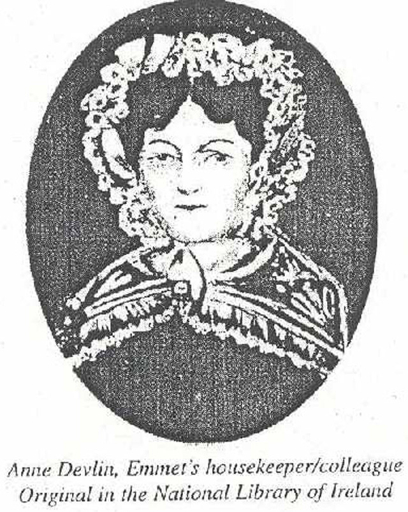
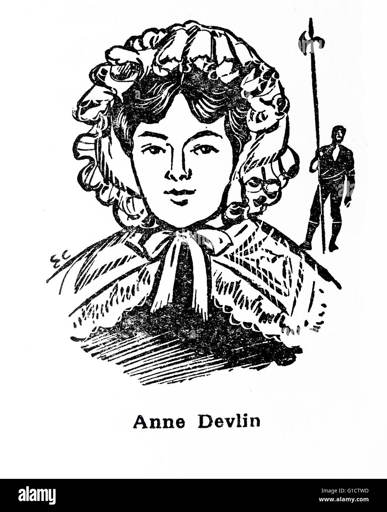
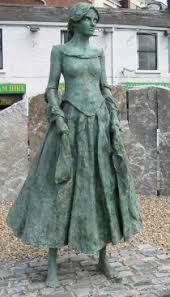
Anne Devlin (c.1780–1851) was an Irish republican from a strongly insurgent Wicklow family who became Emmet’s housekeeper, confidante, and key conspirator in 1803. Having moved with her family to Rathfarnham after her father’s imprisonment for his 1798 activities, she met Emmet when he rented Butterfield House nearby and soon began carrying messages, arranging meetings with her cousin Michael Dwyer, and moving arms and supplies in preparation for the rising.
After the failure of the 1803 rebellion, Devlin was arrested and subjected to brutal interrogation, repeated floggings, and imprisonment in Kilmainham Gaol and later Dublin Castle, with her family also jailed and a younger brother dying as a result, yet she consistently refused to betray Emmet or the wider network. Released in 1806 after public concern about her condition, she lived out a hard life in domestic service and as a laundress, ultimately dying in poverty, but has since been recognised as a heroine of Irish republicanism and is buried in Glasnevin Cemetery.
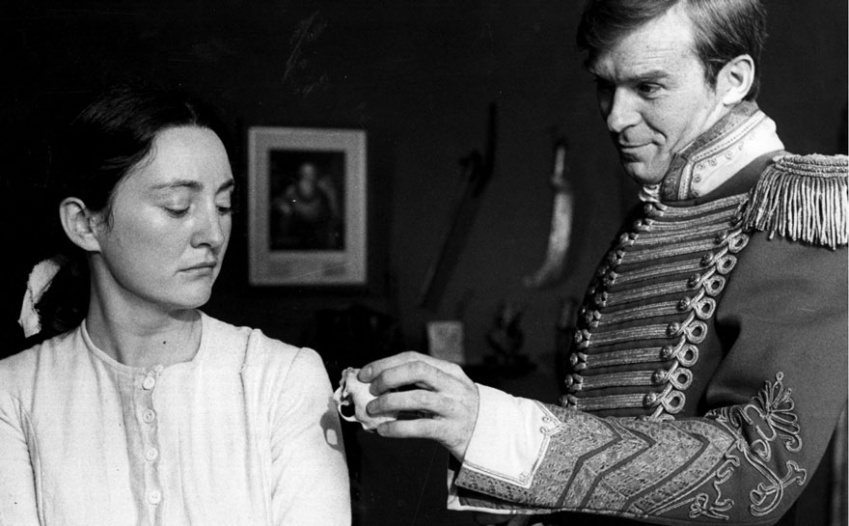
The Irish film “Anne Devlin” (1984), directed by Pat Murphy, tells the story of Anne Devlin’s role in Robert Emmet’s 1803 rebellion from her perspective. The film has been shown at venues like the IFI and cultural centers, but no major streaming platforms like RTÉ, MUBI, or YouTube list it. You can rent the DVD online through UK-based services like Cinema Paradiso, which ships to Ireland.
Source: Perplexity Ai – Oval portrait of Anne Devlin:en.wikipedia
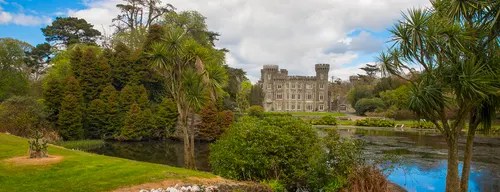
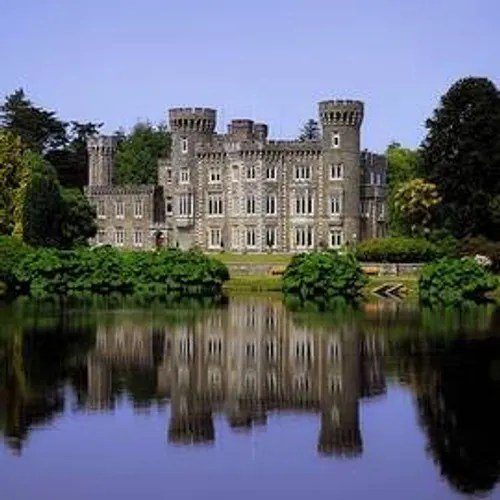
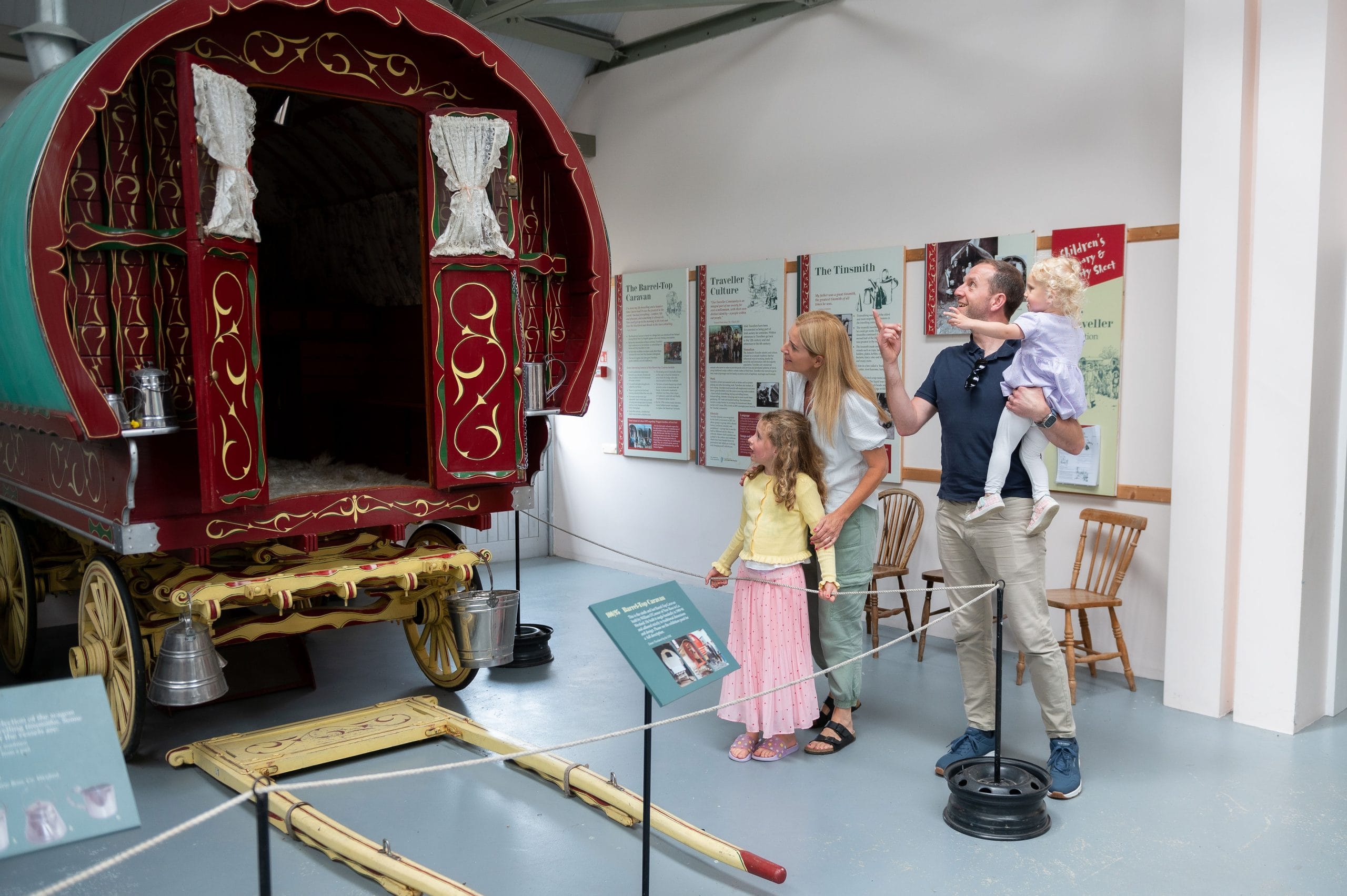
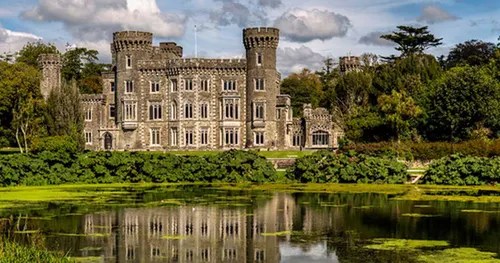
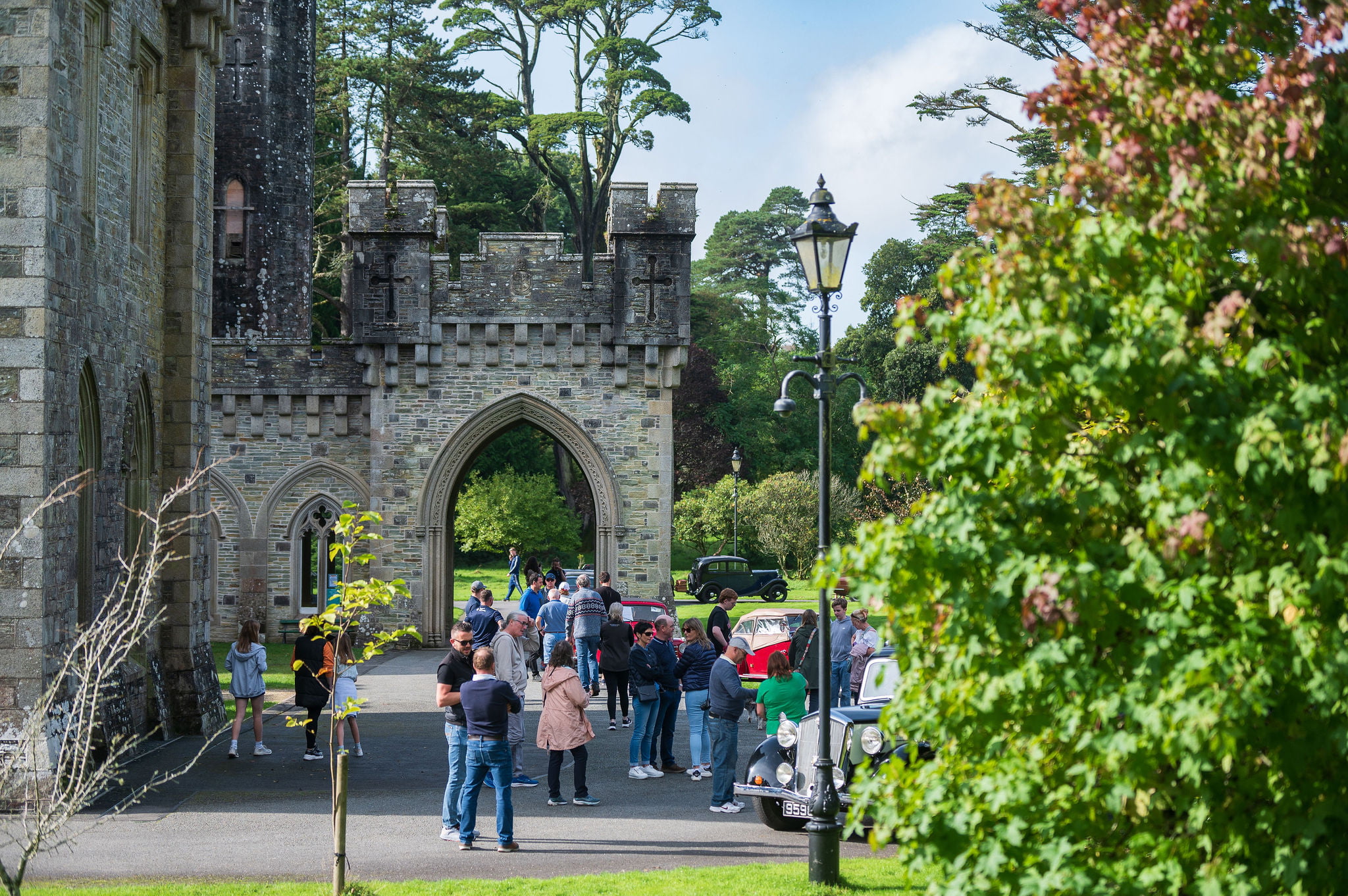
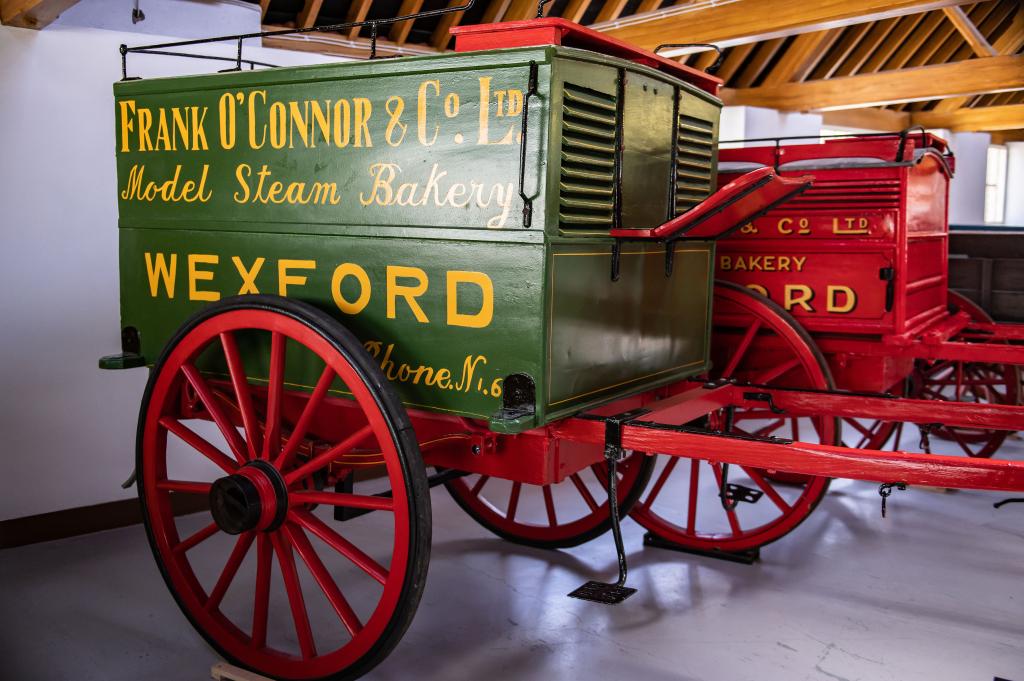
Location: Johnstown Castle Estate Museum & Gardens, Wexford Date: Saturday 6th June 2026 Duration: 1 hour 45 mins. Non-stop. Start: 9 a.m. N.B. For paid-up members only Details to follow.
Title: Who Killed Honor Bright? Speaker: Gerry Lovett Time: @ 7:45 PM Location:Iona Pastoral Centre
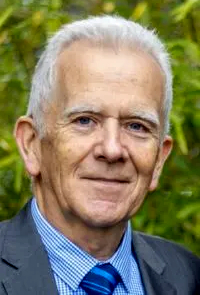
Gerry Lovett
Gerard Lovett retired in 2004 as a detective inspector of An Garda Síochána Special Branch. Since then, he has been general secretary of An Garda Síochána Retired Members’ Association for seven years, and was editor of their quarterly magazine Síocháin. He has written numerous articles on police history and has regularly given lectures to historical societies on both Gardá and RIC history, as well as famous historical murder cases. One of those cases is tonight’s talk on the 1925 unsolved murder of Lily O’Neill (Honor Bright).
Gallery: click on images to enlarge
Who was Honor Bright?
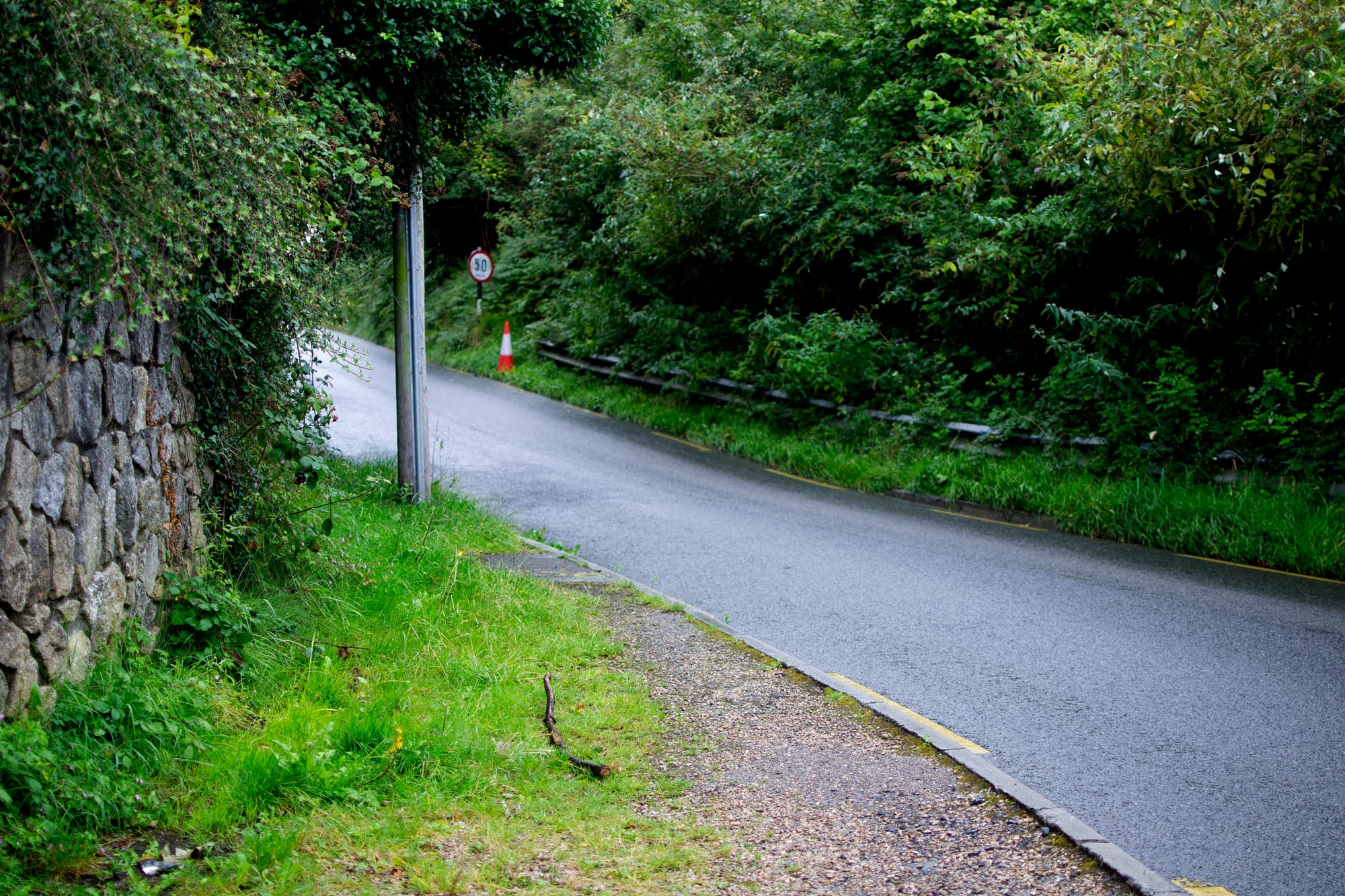
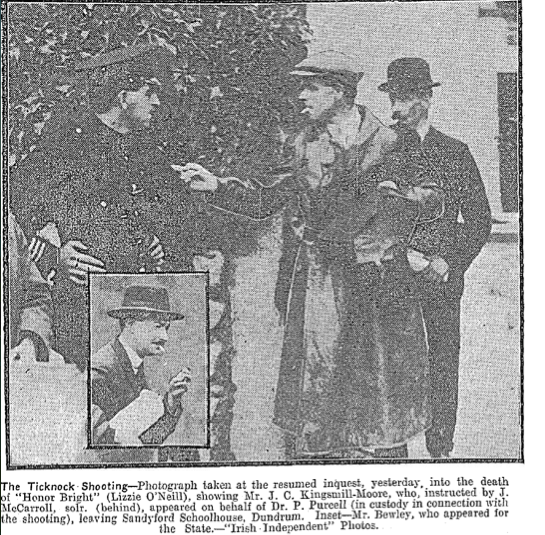
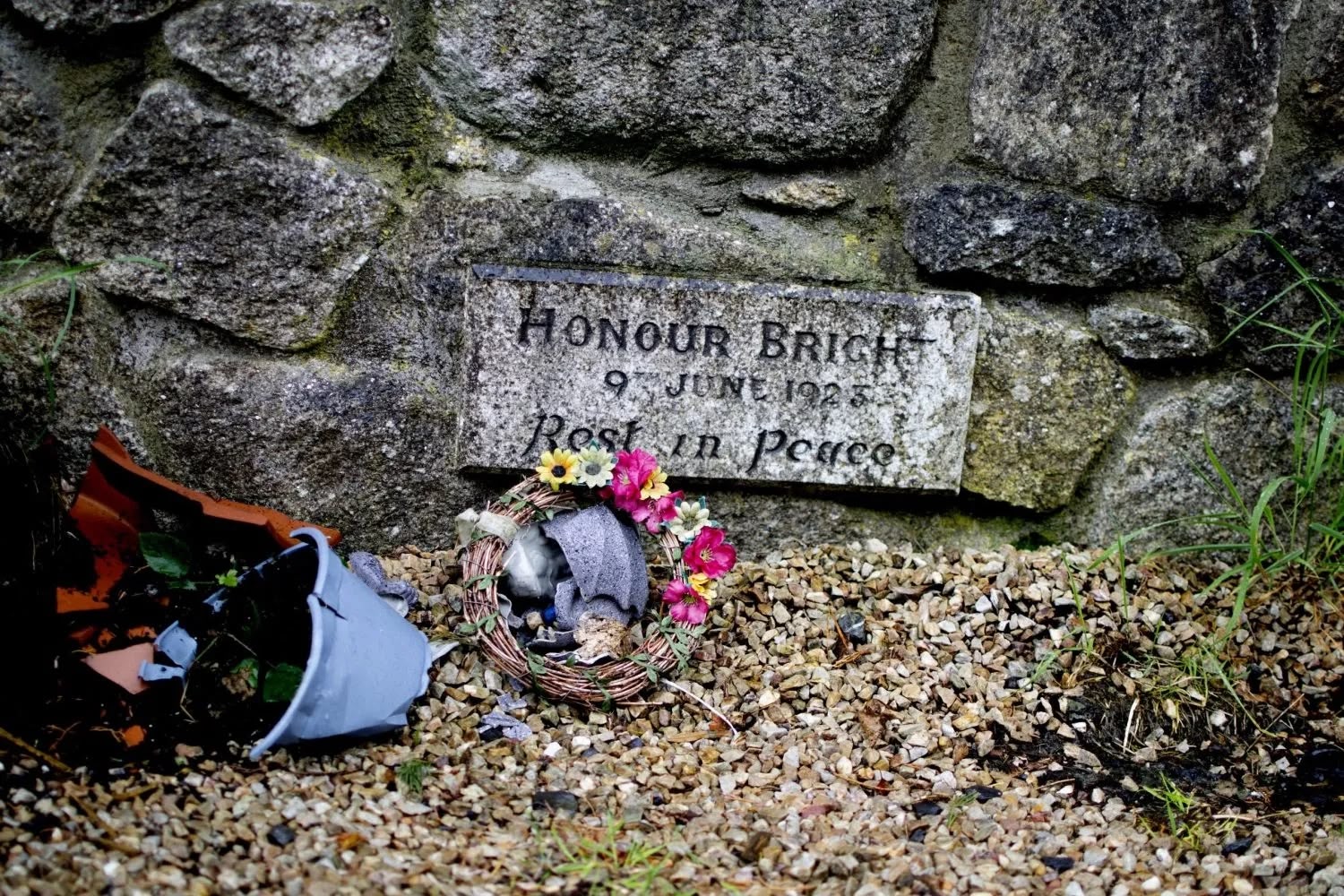
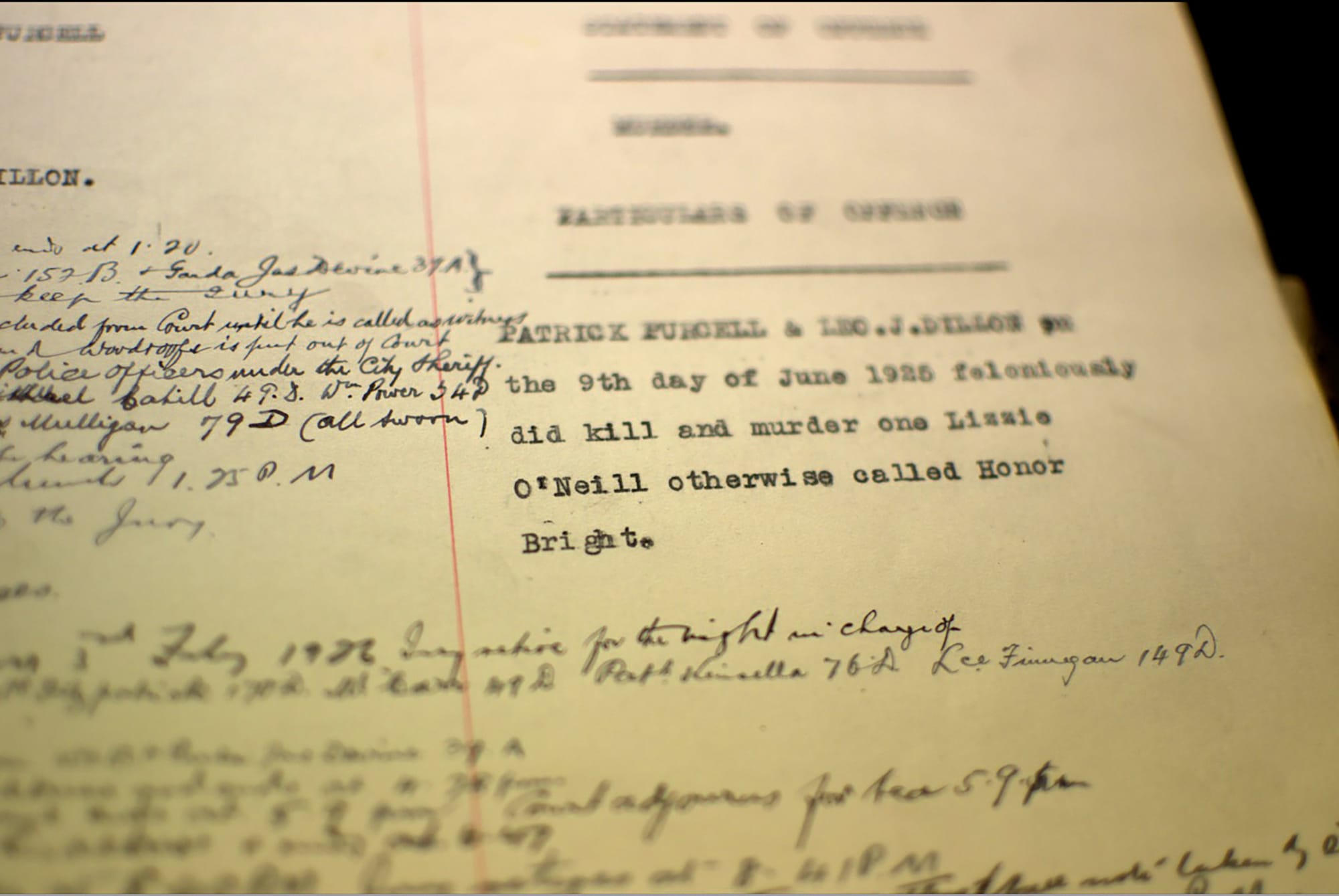
“Honor Bright” was the nickname of Lizzie (Elizabeth/Lily) O’Neill, a young woman whose body was found near Ticknock, south Dublin, in June 1925, prompting intense press and public interest.
Contemporary coverage portrayed her as a glamorous but “scandalous” figure, and the case became a touchstone for debates on morality, sexuality, and urban life in the new Free State.
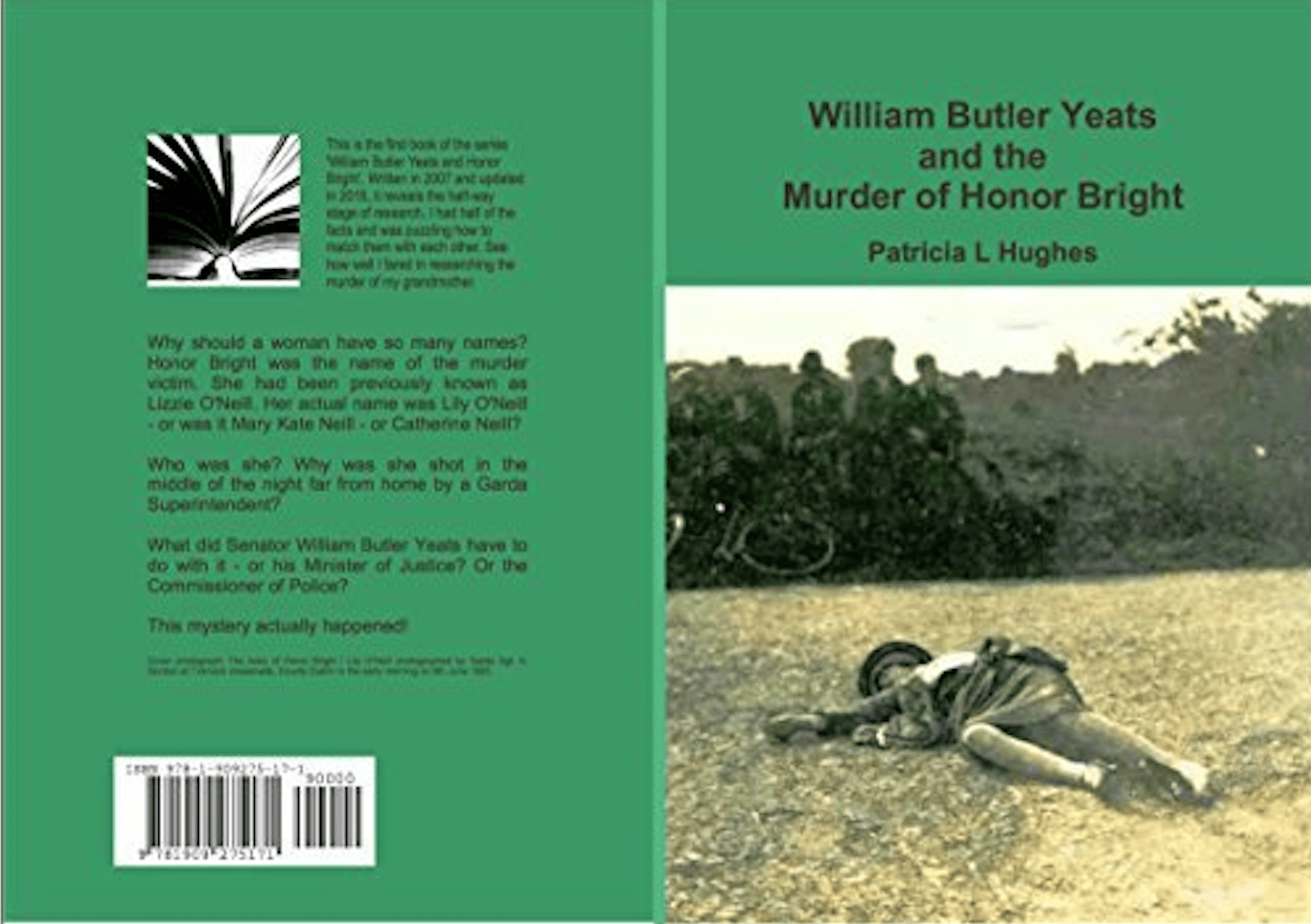
The book “Who Killed Honor Bright?”
The book Who Killed Honor Bright? was written by Patricia Hughes, who identifies herself as the granddaughter of Lily O’Neill/Honor Bright.
Hughes advances a controversial thesis that her grandmother was murdered on orders linked to senior Free State figures, and that William Butler Yeats was Honor Bright’s lover and the father of her child.
What remains uncertain
Officially, Honor Bright’s killer was never definitively established; Hughes has campaigned for a modern re‑investigation and states that the Garda case remains formally unresolved.
Later historical work (such as Nursing Clio’s article on the case) treats the murder as emblematic of the tensions of 1920s Dublin, but does not endorse Hughes’s claims about Yeats and state‑ordered assassination as established fact.
Sources via perplexity Ai.
“Honor Bright” song written and performed by By Peter Yeates (audio only)
Source:HappyStPats via YouTube Peter Yeates “Honor Bright” – (AKA) “Honour Bright” from his CD “Back in the Middle” 1996
Title: Sisters of the Revolutionaries The Story of Margaret and Mary Brigid Pearse Speaker: Teresa and Mary Louise O’Donnell Time: @ 7:45 PM Location:Iona Pastoral Centre
Teresa O’Donnell is a harpist and musicologist. She was awarded a Foras Feasa fellowship to pursue doctoral studies at St Patrick’s College, DCU, which she completed in 2012; she also lectured there. Her research has been published in a number of journals including, the Journal of Music Research Online and the Journal of the Society for Musicology in Ireland.
Mary Louise O’Donnell is a harpist and author of Ireland’s Harp: the Shaping of Irish Identity, c. 1770-1880 (2014). She has published widely on topics relating to Irish cultural history, semiotics, and performance studies. Her research has been published in Utopian Studies, Éire-Ireland, the Journal of the Society for Musicology in Ireland,and The Encyclopaedia of Music in Ireland. Source: irishacademicpress.com
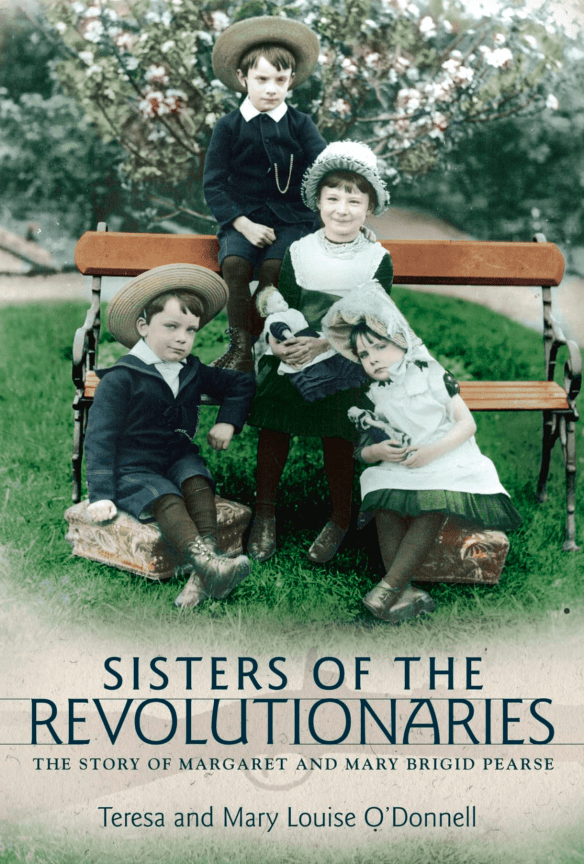
‘Sisters of the Revolutionaries’ focuses on the lives of Margaret and Mary Brigid, sisters of Patrick and Willie Pearse who were executed for their role in the 1916 Rising. Patrick and Willie Pearse have long been memorialised in Irish society, yet comparatively little is known about their two sisters and the efforts made by them to uphold the image of their brothers’ legacies. Margaret was an Irish language activist, politician and educator, working with Patrick in founding St. Enda’s School. She took the school into her own hands following his execution. Mary Brigid was a musician and author of short stories, children’s stories and dramas.
The sisters’ successes were divergent and they never enjoyed a close relationship like Patrick and Willie; however, they both shared a deep affection for their brothers. Authors Teresa and Mary Louise O’Donnell provide a fascinating insight into the lives of the lesser-known Pearse siblings. Their book illuminates Margaret and Mary Brigid’s relationship with their brothers, the many joys that were the pattern of their upbringing, and the poignant disintegration of their own relationship later in life.
Title: ‘This Is Your River’ (Film) Speaker: Dodder Action Group Also a few members of the KHS will speak for one minute on what the Dodder means to them. Time: @ 7:45 PM Location:Iona Pastoral Centre
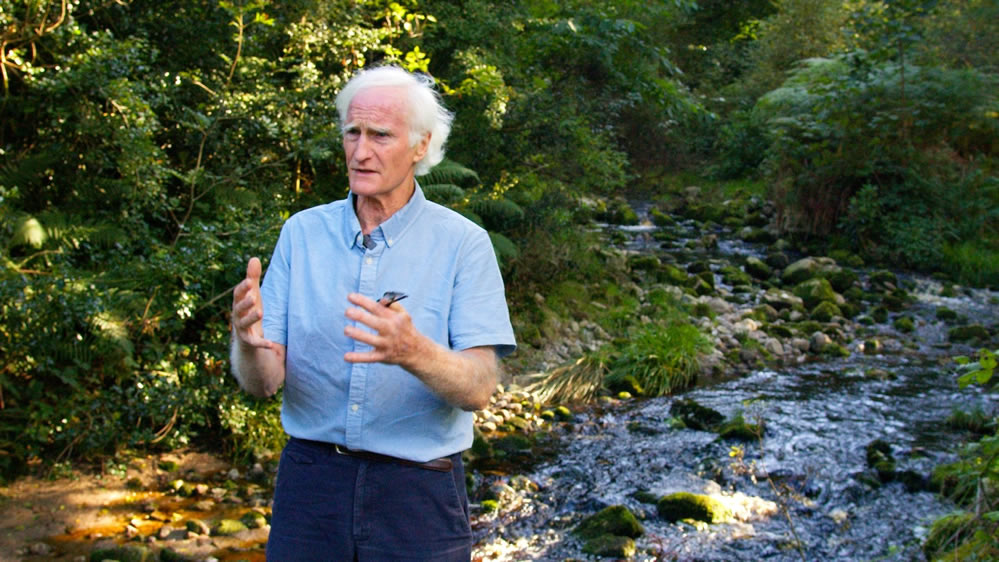
Screenshot of Duncan Stewart from ‘This Is Your River’ Film by Greenstem Films.Dodder Action Group
The River Dodder is one of Dublin’s great natural treasures – and Dodder Action is the volunteer group stepping up to look after it. From its source in the Wicklow Mountains to its mouth at Grand Canal Dock, the Dodder flows through neighbourhoods like Firhouse, Templeogue, Rathfarnham, Milltown and Ballsbridge, providing a green corridor for walkers, anglers, dog‑lovers, cyclists and wildlife.
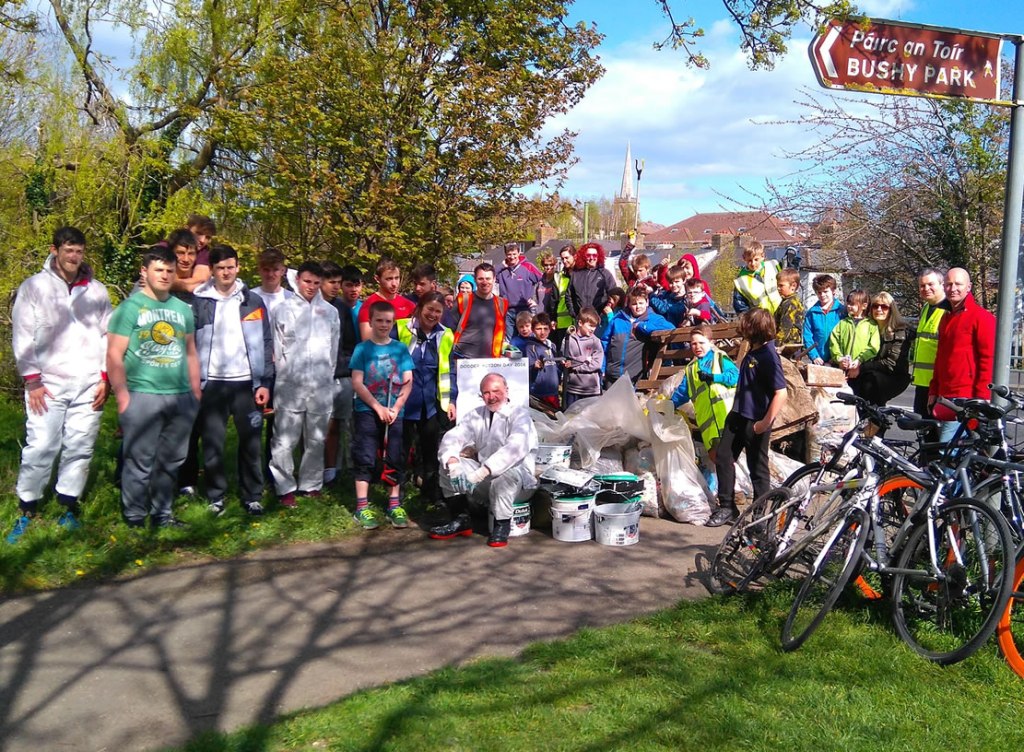
Dodder Action brings local residents, community groups and partner organisations together for regular riverbank clean‑ups, conservation projects and “citizen science” monitoring along the entire length of the river. Their volunteers remove litter, support tree‑planting and habitat projects such as Stepping Stone Forests, and promote a cleaner, healthier river for everyone to enjoy.
Capacity is built every year by the Dodder Action committee. In 2017, a Capacity Building partnership was started with Dublin City Council (Local City Authority) supported by Dublin Bay Biosphere and Local Authorities Water & Community Office (LAWCO)
Title: Daniel O’ Connell 1775 – 1847 Speaker: Patrick Geoghegan, Professor of History at Trinity College. Presentation: 40 min. video followed by 10-15 mins. discussion. Time: @ 7:45 PM Location:Iona Pastoral Centre
Dear members, This should be an interesting format so do attend.
Attendance at the last talk was a little down, hence the takings of the evening did not cover the costs. A considerable number of subs have not yet been renewed.
Looking forward to seeing you all. Thanking you, Aoife
Subs: €20 individual, €30 couples. No cheques please. Money in named envelope.
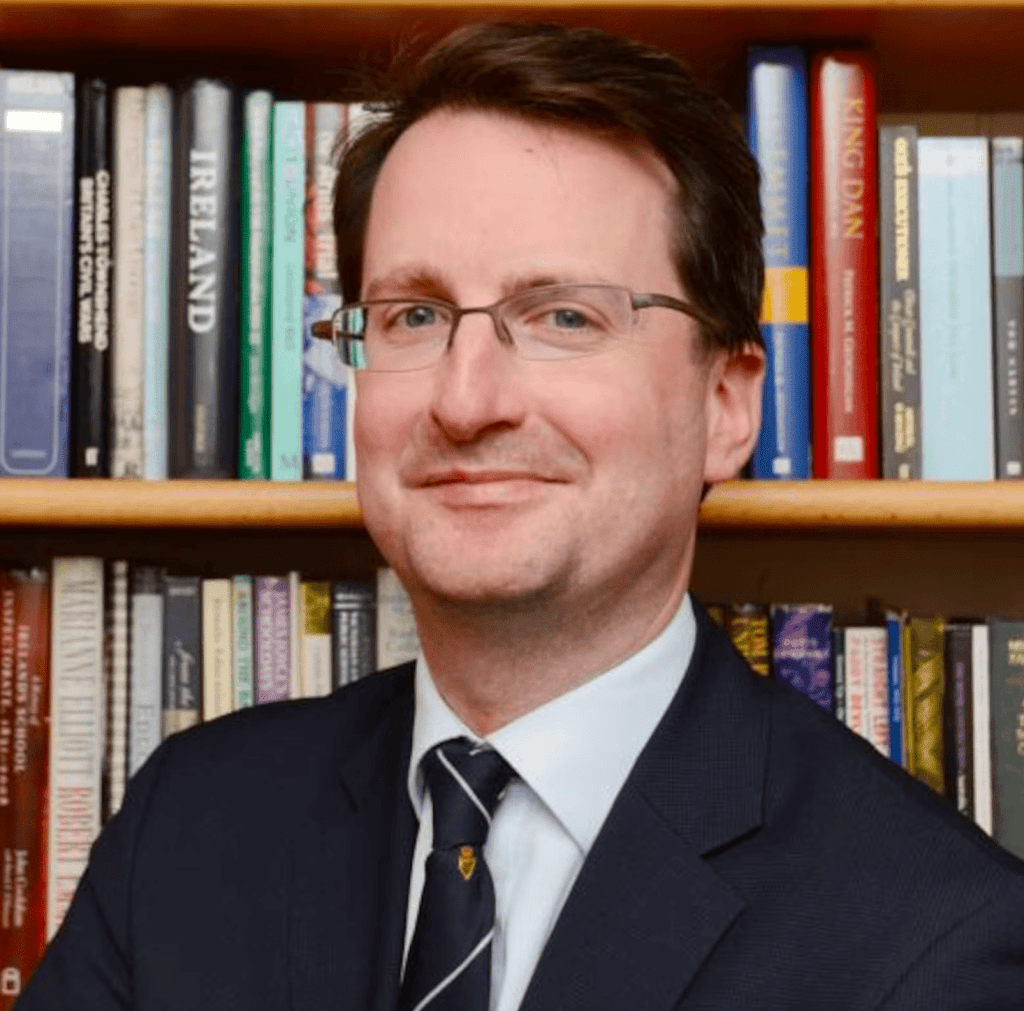
Prof. Patrick Geoghegan – Trinity College Dublin
Professor Patrick Geoghegan is a leading historian at Trinity College Dublin, specializing in eighteenth and nineteenth century Ireland, particularly the Anglo-Irish relationship during this period. He has authored five monographs focusing on key historical figures and events such as the Irish Act of Union, the Robert Emmet rebellion, and Daniel O’Connell’s political and legal career, reshaping views on constitutional nationalism and republicanism. He has been teaching at Trinity since 2001 and is noted for innovative teaching methods, winning the Provost’s Teaching Award in 2009.
He has contributed extensively to public history and outreach, presenting the award-winning “Talking History” on Newstalk radio, which is widely popular in Ireland. He also wrote the text for the multi-award-winning O’Connell exhibition at Glasnevin Cemetery. Beyond teaching, he served as Senior Lecturer/Dean of Undergraduate Studies at Trinity, where he developed new admissions policies and outreach programs, including one to increase students from Northern Ireland.
In 2025, Professor Geoghegan was appointed Director of the Trinity Long Room Hub Arts and Humanities Research Institute, a key position showcasing his leadership in humanities research. He is also a Vice-President of the Irish Legal History Society and the College Historical Society, where he has been commissioned to write a history for its 250th anniversary.
Source: perplexity Ai
IMAGE GALLERY: Please click on an image to open the gallery.Then use the right & left arrows to move forwards or backwards through the images. Please allow a moment or two for the images to load in your browser.
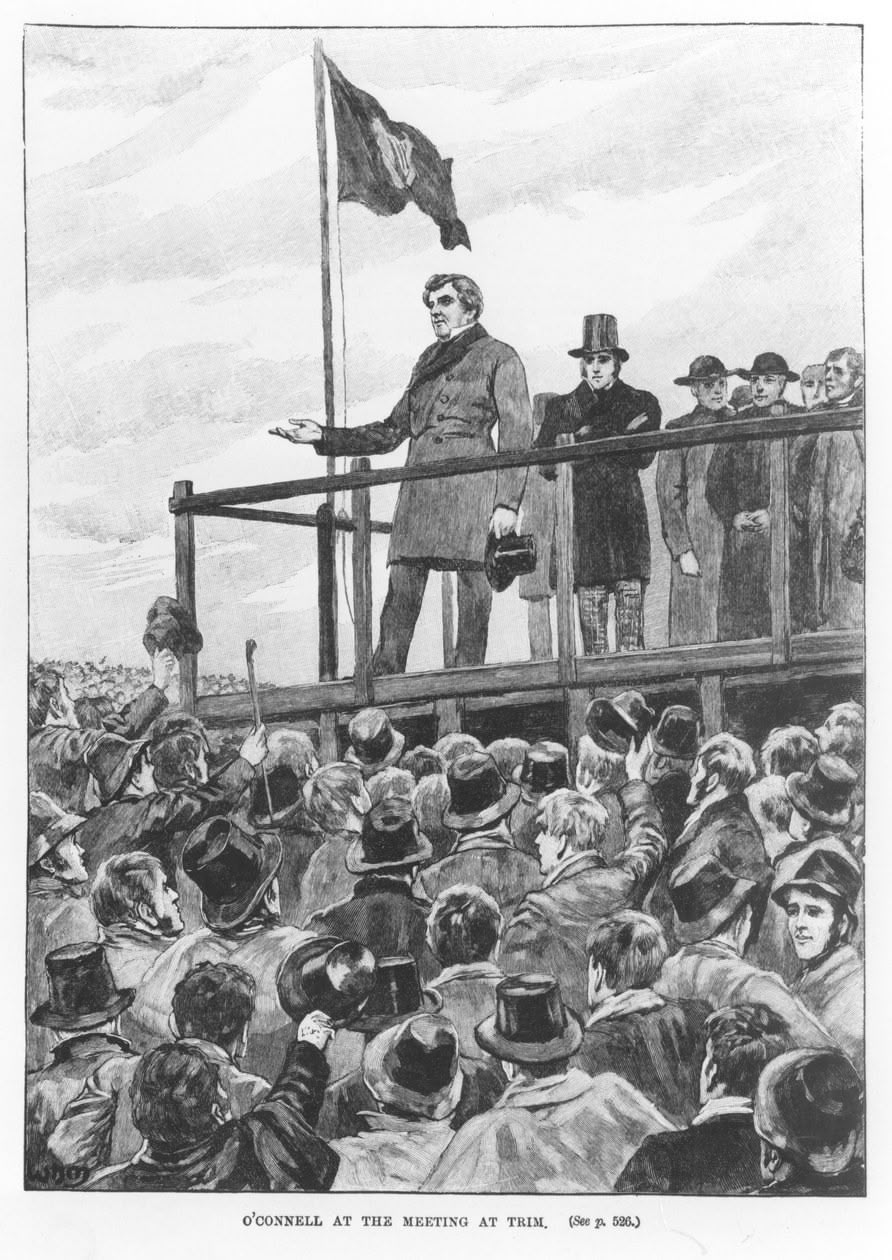
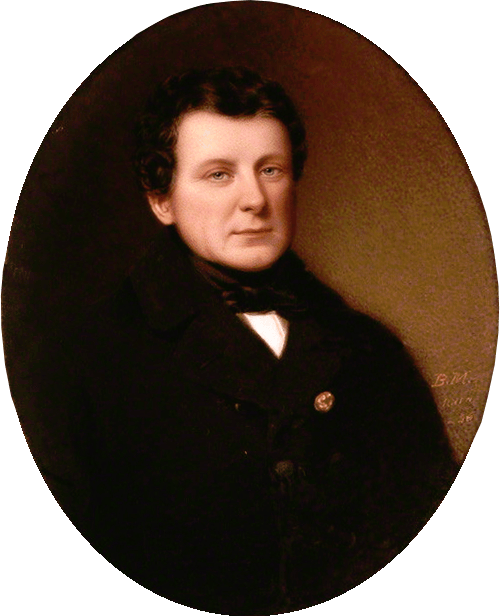
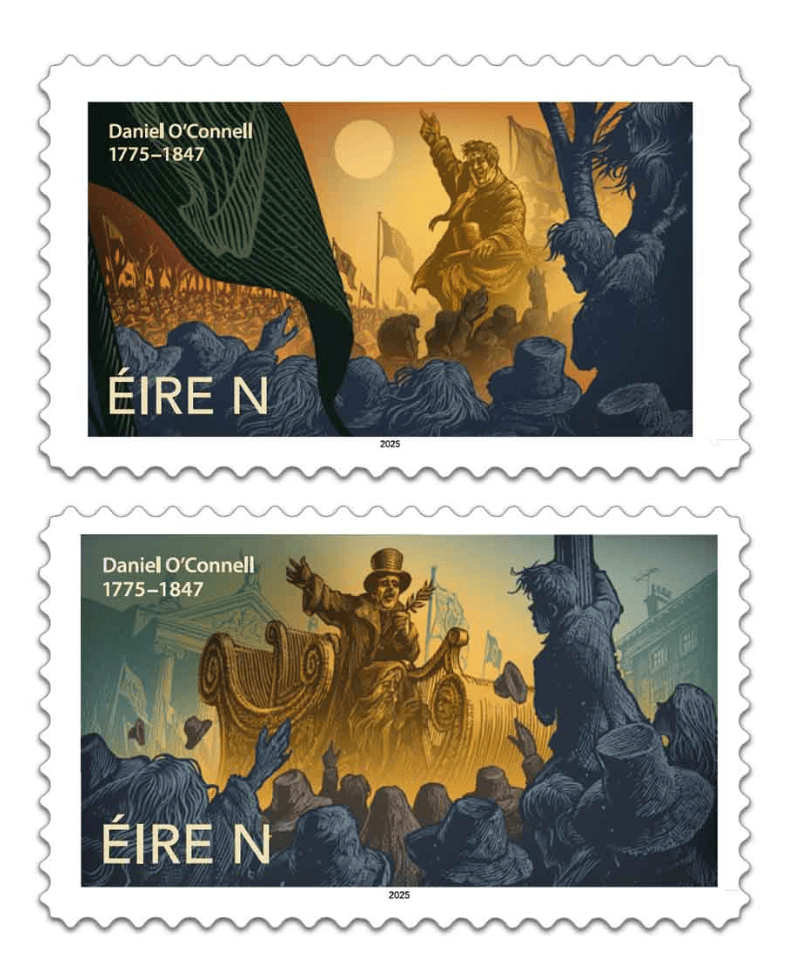
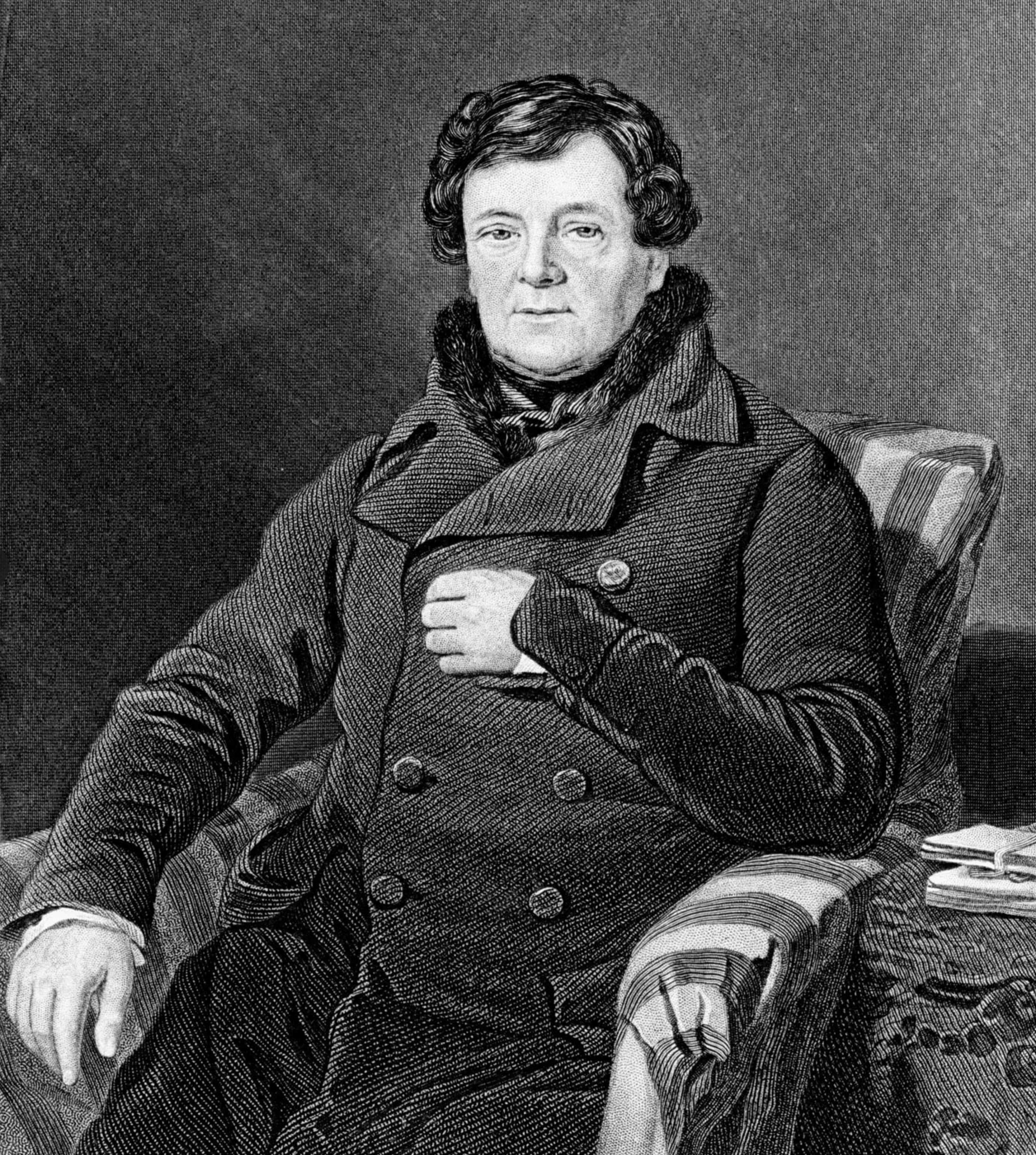
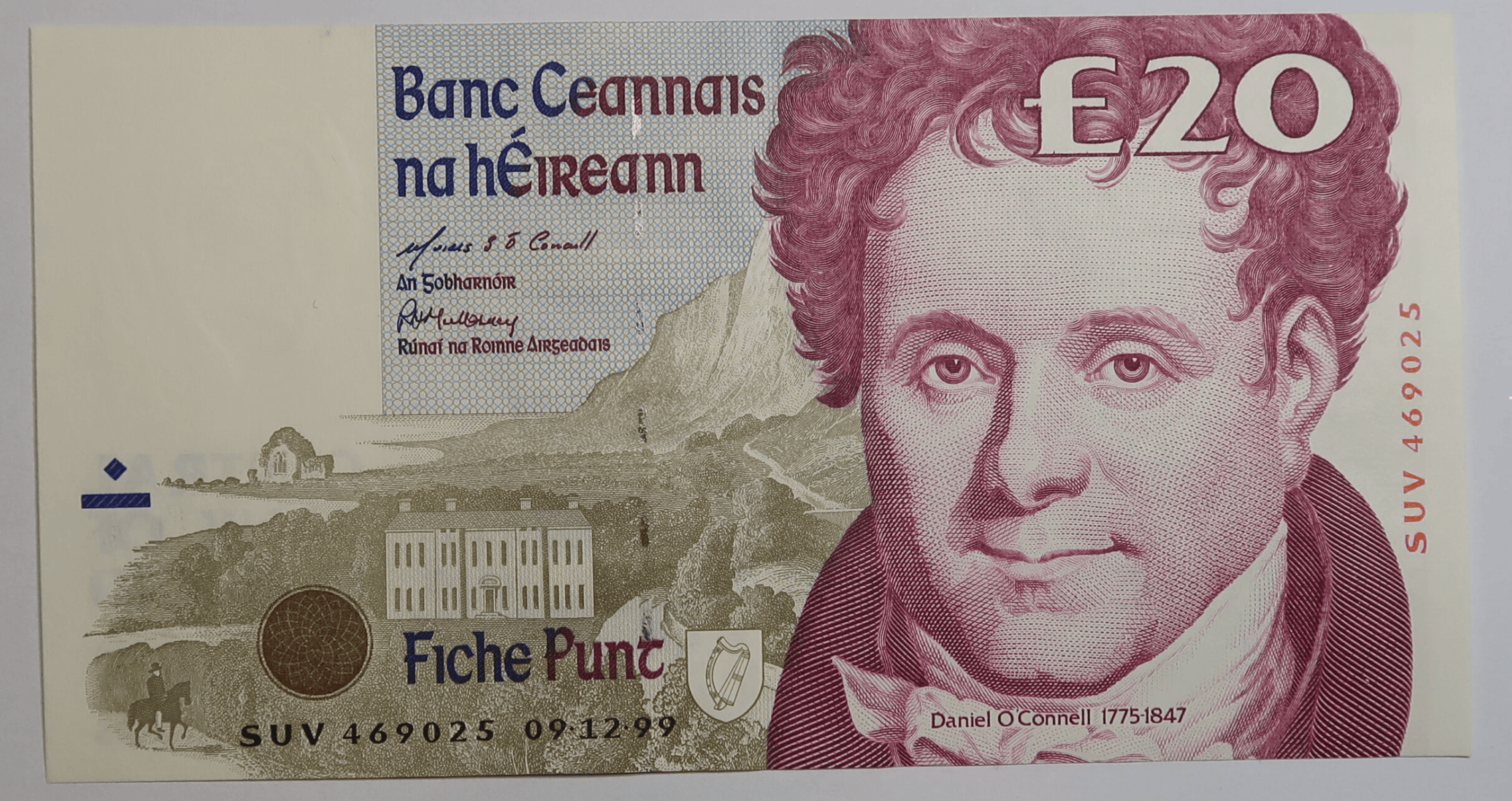
Daniel O’Connell (1775–1847), known as “The Liberator,” was a pivotal Irish political leader and lawyer who championed the rights of Ireland’s Roman Catholic majority in the early 19th century. He is most famous for leading the campaign for Catholic Emancipation, which culminated in 1829 with the right of Catholics to sit in the British Parliament after over a century of exclusion under the Penal Laws. O’Connell founded the Catholic Association in 1823, mobilizing mass grassroots support across Ireland through peaceful, legal means to achieve this emancipation.
Born near Cahersiveen in County Kerry to a Catholic farming family, O’Connell was adopted by a wealthy uncle and educated in France and later in law in England and Ireland. His experiences during the French Revolution shaped his firm commitment to non-violence in political struggle. After the 1801 Act of Union abolished the Irish Parliament, O’Connell sought to repeal this union to restore Irish legislative independence, but despite his efforts and leadership of Irish MPs in Westminster, this goal was not achieved.
O’Connell’s political career included advocating for broader liberal reforms such as the abolition of slavery, rights for Jews and other minorities, penal reform, trade union rights, and secret voting. He was the first Catholic Lord Mayor of Dublin since the late 17th century. Despite setbacks including imprisonment in 1843, his campaign style—mass meetings known as “monster meetings”—influenced political mobilization beyond Ireland.
He died in 1847 in Genoa, Italy. O’Connell remains a complex and highly influential figure in Irish history, hailed for his non-violent activism and political achievements while also facing criticism and internal divisions within his movement in later years. His legacy endures in Irish public life, including the naming of Dublin’s main street, O’Connell Street, in his honour.
Quote from a letter to Isaac Goldsmid dated 11 September 1829, O’Connell wrote:
“To my mind it is an eternal and universal truth that we are responsible to God alone for our religious belief — and that human laws are impious when they attempt to control the exercise of those acts of individual and general devotion which such belief requires.”
He expressed the view that religious belief is a matter solely between an individual and God, and condemned any human laws trying to govern such belief as blasphemous and tyrannical. This quote is part of his advocacy for freedom of conscience and civil rights for Jews, among others. Source: wikiquote
Prof. Patrick Geoghegan Icon Lecture Series – The Little Museum of Dublin
Talk Main Themes & Points
Daniel O’Connell’s Legacy: Geoghegan recounts O’Connell’s pivotal role in Irish history as a champion of Catholic emancipation, civil rights, and peaceful resistance.
Statues and Symbolism: The talk begins with a reflection on the O’Connell statue in Dublin and the challenge of further commemorating his legacy.
Political Achievements: O’Connell was the first Catholic Lord Mayor in almost 150 years (1841), achieved emancipation in the 1820s, and represented multiple constituencies, notably Dublin City.
International Recognition: O’Connell’s support for abolition drew the praise of figures like Frederick Douglass and criticism from American slave owners. He spoke passionately against slavery, earning an international reputation for moral leadership.
Courtroom Bravery: Anecdotes show O’Connell confronting judges and legal adversaries, making himself a symbol of resistance for Irish Catholics repressed under British rule.
Dueling Controversies: Geoghegan discusses how O’Connell was both involved in and criticized for avoiding duels, highlighting his evolving rejection of violence.
Faith & Personal Struggles: O’Connell’s return to Catholic practice, moral wrestling over his actions, and efforts to maintain integrity amid controversies (such as financial quarrels and confrontations with Young Ireland).
Mass Movements & Reforms: His democratization of activism—crowdsourcing through penny subscriptions—and leadership of non-violent “monster meetings” are described as revolutionary for Irish self-determination.
Peaceful Revolution: O’Connell’s decision to cancel potentially violent protests, his subsequent trial and imprisonment, and the mass public support illuminate his commitment to change by peaceful means.
Impact & Reflection: The lecture closes with reflection on the modern reassessment of O’Connell, arguing his civil rights victories laid the foundation for Irish nationhood, and calling for further recognition of his legacy.
Title: The Sick and Indigent Roomkeepers Society Speaker: Felix Larkin. Time: @ 7:45 PM – AGM at 7:30 pm Location:Iona Pastoral Centre
Dear members, The agenda will start at 7.30 p.m. on Wednesday. The A.G.M. is:
Chairperson’s Introduction
Secretary’s report
Treasurer’s report
Proposals for talks this season
Suggestions for summer outing
A.O.B.
Many thanks to all the committee for all their support during the year and a big thank you to the Iona Centre and all the staff there. Thanking you, Aoife
Subs also due at this time,€20 individual, €30 couples. no cheques please money in named envelope
Felix M. Larkin Img. LinkedIn.com
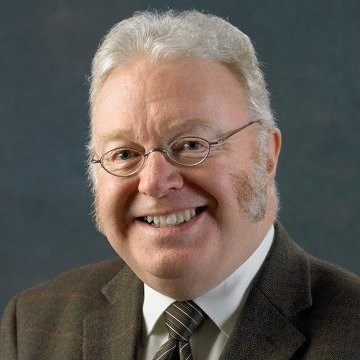
Historian & former public servant Fellow of the Royal Historical Society (FRHistS) Treasurer, Irish Committee of Historical Sciences Former chairman, An Post Philatelic Committee (2016-24) Former academic director, Ivy Day Symposium (2022 & 2024) Former chairman, Sick and Indigent Roomkeepers Society (2012-16) Former academic director, Parnell Summer School (2013-15) Former chairman, Newspaper and Periodical History Forum of Ireland (2010-13)
IMAGE GALLERY: Please click on an image to open the gallery.Then use the right & left arrows to move forwards or backwards through the images. Please allow a moment or two for the images to load in your browser.
SIRKS – The Sick and Indigent Roomkeepers Society
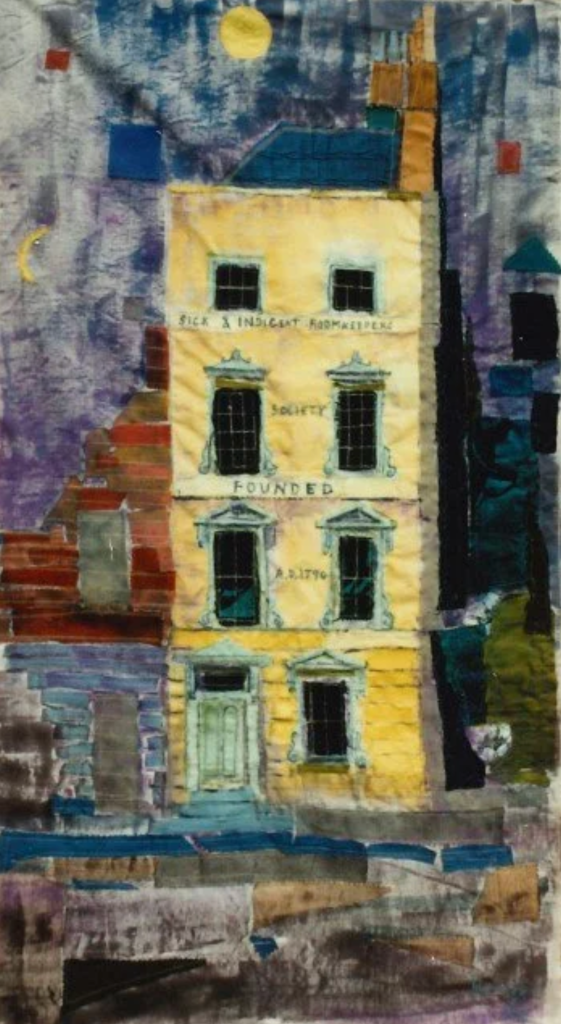
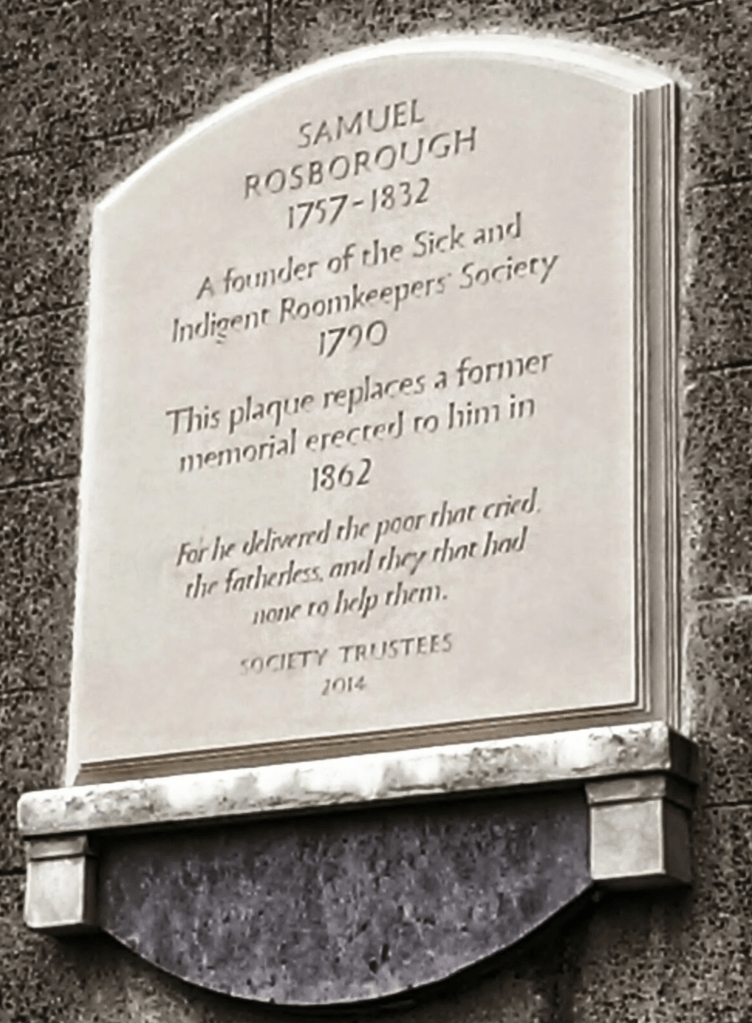
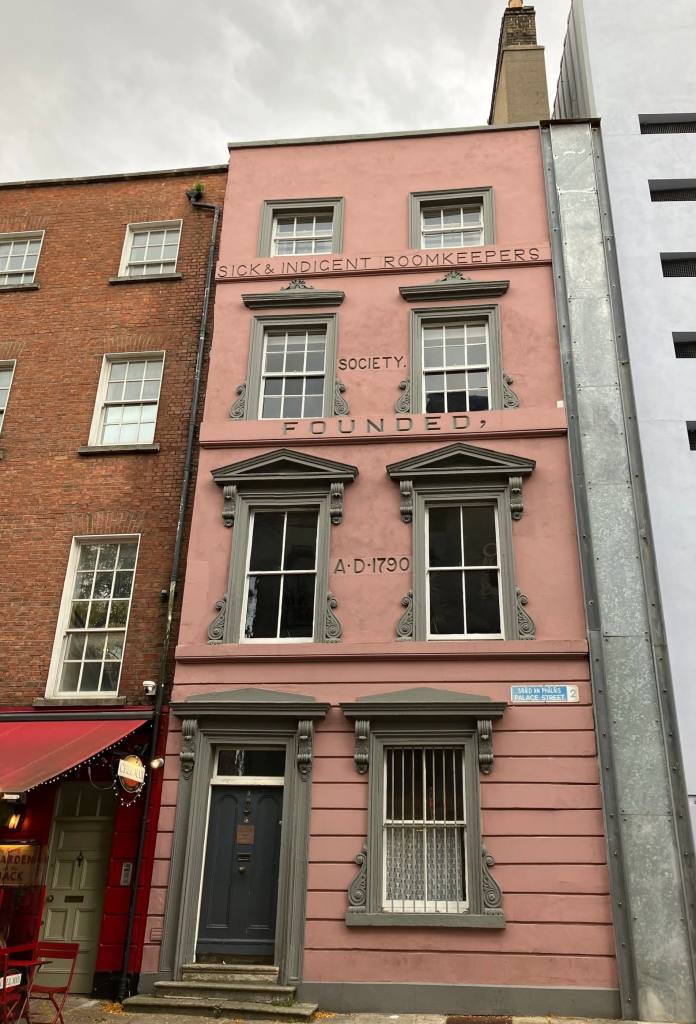
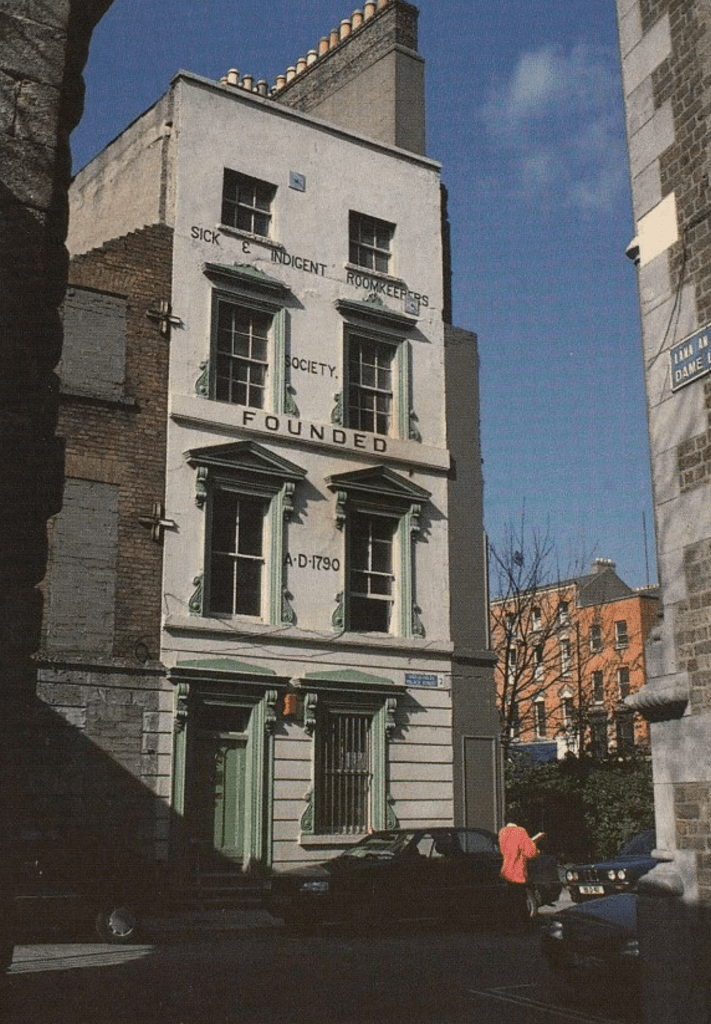
The Sick and Indigent Roomkeepers Society, founded in 1790, is Dublin’s oldest surviving charity and has been providing temporary relief to the destitute poor at their own lodgings for over two centuries Historian Felix M. Larkin, a trustee of the Society, has been instrumental in its recent activities and public outreach. He served as the Society’s chairman from 2012 to 2016 and has continued to contribute as a director, stepping back into the chairman role briefly before handing over to Colette O’Daly Larkin has given lectures on the Society’s history and mission, including the opening Dublin charities & homelessness lecture at Christ Church Cathedral in the Irish capital. The Society, which originally focused on the parish of St Michan and expanded its reach in 1793, operates through four divisions and has historically relied on subscriptions, donations, and charity sermons for funding. Larkin has emphasised the Society’s focus on helping individuals facing temporary hardship, such as those burdened by unpaid utility bills, to prevent long-term cycles of poverty. The Society aims to celebrate its 250th anniversary in 2040, with ongoing efforts to secure its future through public support.
it is with great sadness that we heard of the passing of John Larkin on Wednesday. John was a long time member of the society, a committee member and gave some presentations at Christmas functions. You might remember too his daughter, Hilary speaking to the society.
Go gcumhdaí Dia agus na haingle é.
Information ragarding the funeral arrangements on Tuesday and house visitation are on RIP. Maybe some of you will be able to attend.
Aoife
Ar dheis Dé go raibh a anam dilís.
Reposing at his son’s residence on Monday evening, 22nd September from 5pm – 7pm. Removal on Tuesday morning to St. Colmcille’s Church, Knocklyon arriving for 11am Requiem Mass followed by burial thereafter in Kilmashogue Cemetery.
Peadar Curren grew up in Dalkey and he has had a lifelong interest in the history of the locality. He has lectured extensively on the subject to several local history societies of which he is a member. He observed the archaeological excavations on Dalkey Island in the 1950s and he was a graduate of the Lord Mayor’s Local History course in 2016.
He frequently gives talks and leads discussions on the history and heritage of Marlay Park and its surrounding areas. He has delivered presentations on various aspects of Marlay Park, including its often overlooked features and historical development from a medieval grange to a Regency-era walled demesne, and later its transformation into a public park.
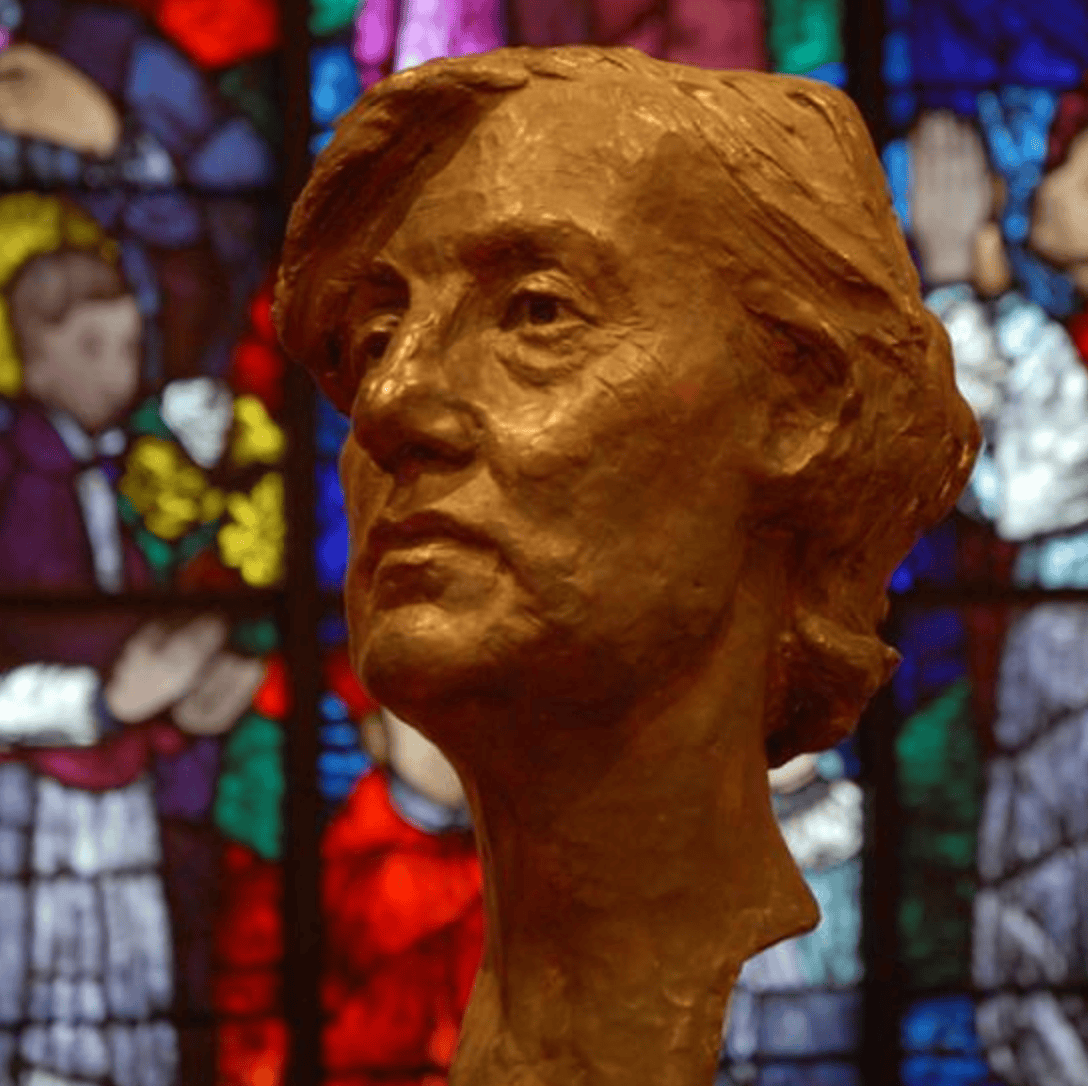
Curran has also explored the connections of notable figures to Marlay House, such as the stained-glass artist Evie Hone, who lived in the Dower House on the estate and established her studio in Marlay House. His presentations often focus on built heritage elements such as entrance gates, bridges with unique keystone motifs, and the history of the La Touche family’s mausoleum.
Awards: honorary doctorate, Trinity College Dublin (1953); honorary member of Royal Hibernian Academy (1955).
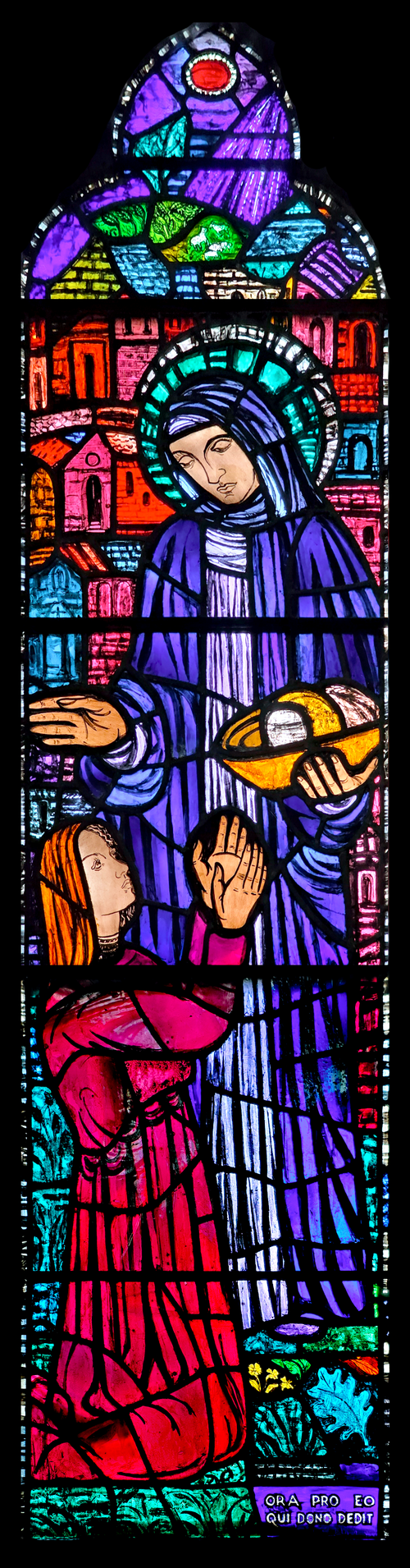
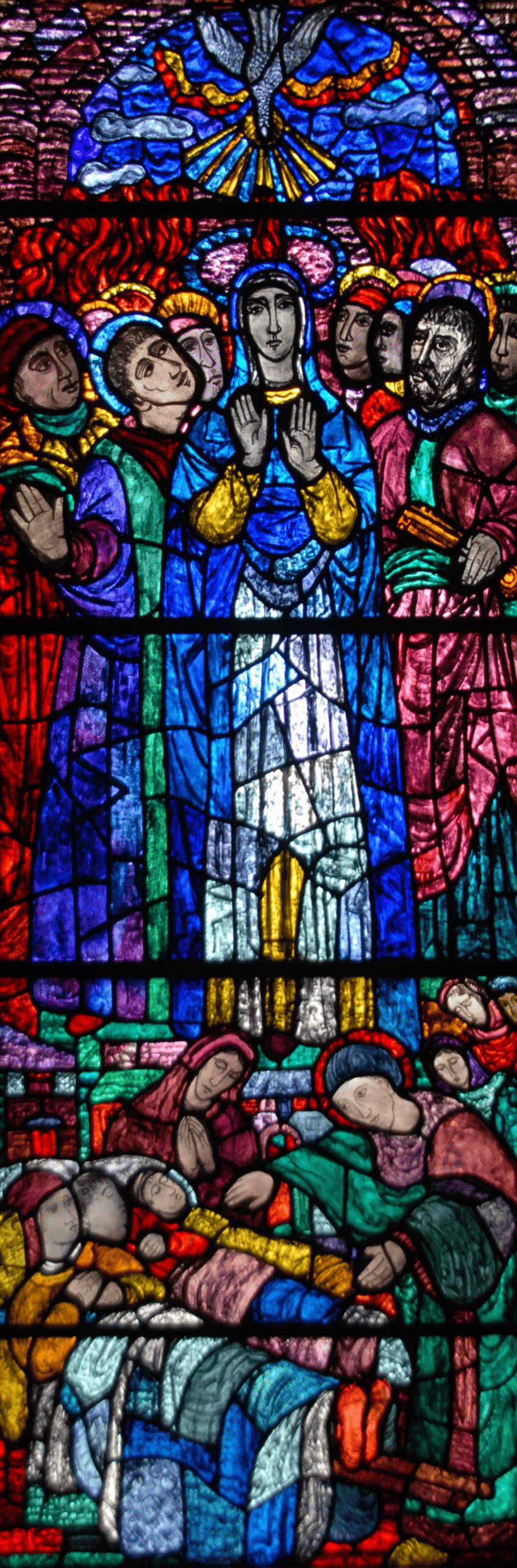
Principal works: Armorial windows and Pentecost (Blackrock College Chapel, 1937–41); My Four Green Fields (1939); Saint Brigid (Loughrea Cathedal, 1942); windows for St. Stanislaus College, Tullabeg, County Offaly (1942); windows for Church of the Immaculate Conception, Kingscourt, County Cavan (1947–48); Eton College Chapel, Berkshire, England (1949–52); St. Michael’s Church, Highgate, London (1954).
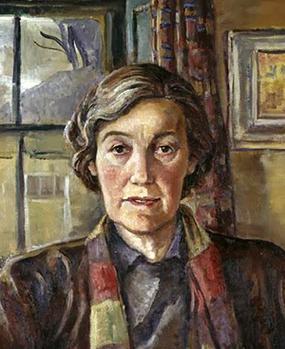
Background: Evie Hone was descended from a remarkable family of Flemish artists who settled in Britain and Ireland in the 16th and 17th centuries. One of them, Galyon Hone, completed the windows for King’s College in Cambridge. Another of her ancestors was the painter Nathaniel Hone (1718–1784). Nathaniel’s two sons, Horace and John Camillus, were also painters.
In 1937, Hone was received into the Catholic Church at Blackrock College Chapel in Dublin by its president Dr. John Charles McQuaid, who had commissioned windows for the college chapel from Michael Healy. McQuaid subsequently commissioned work from Hone and, when he became archbishop of Dublin in 1940, was an enthusiastic champion of her work.
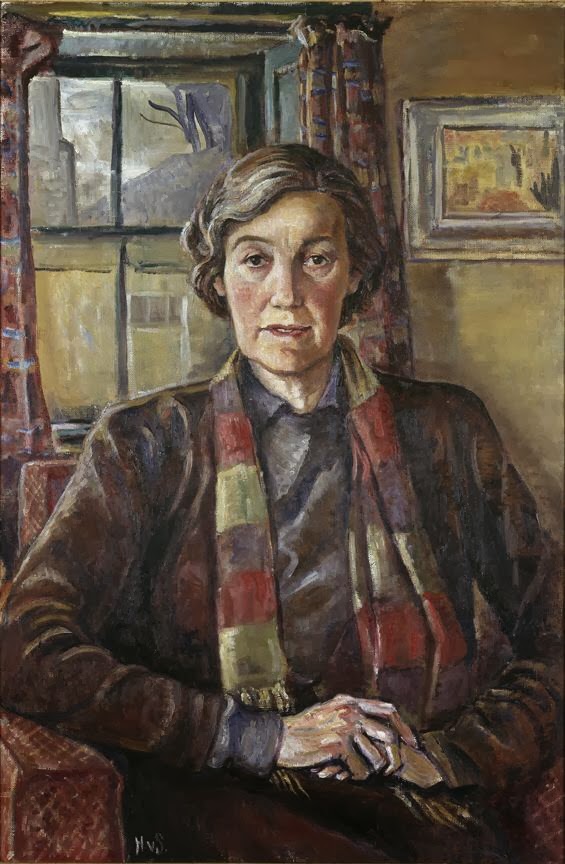
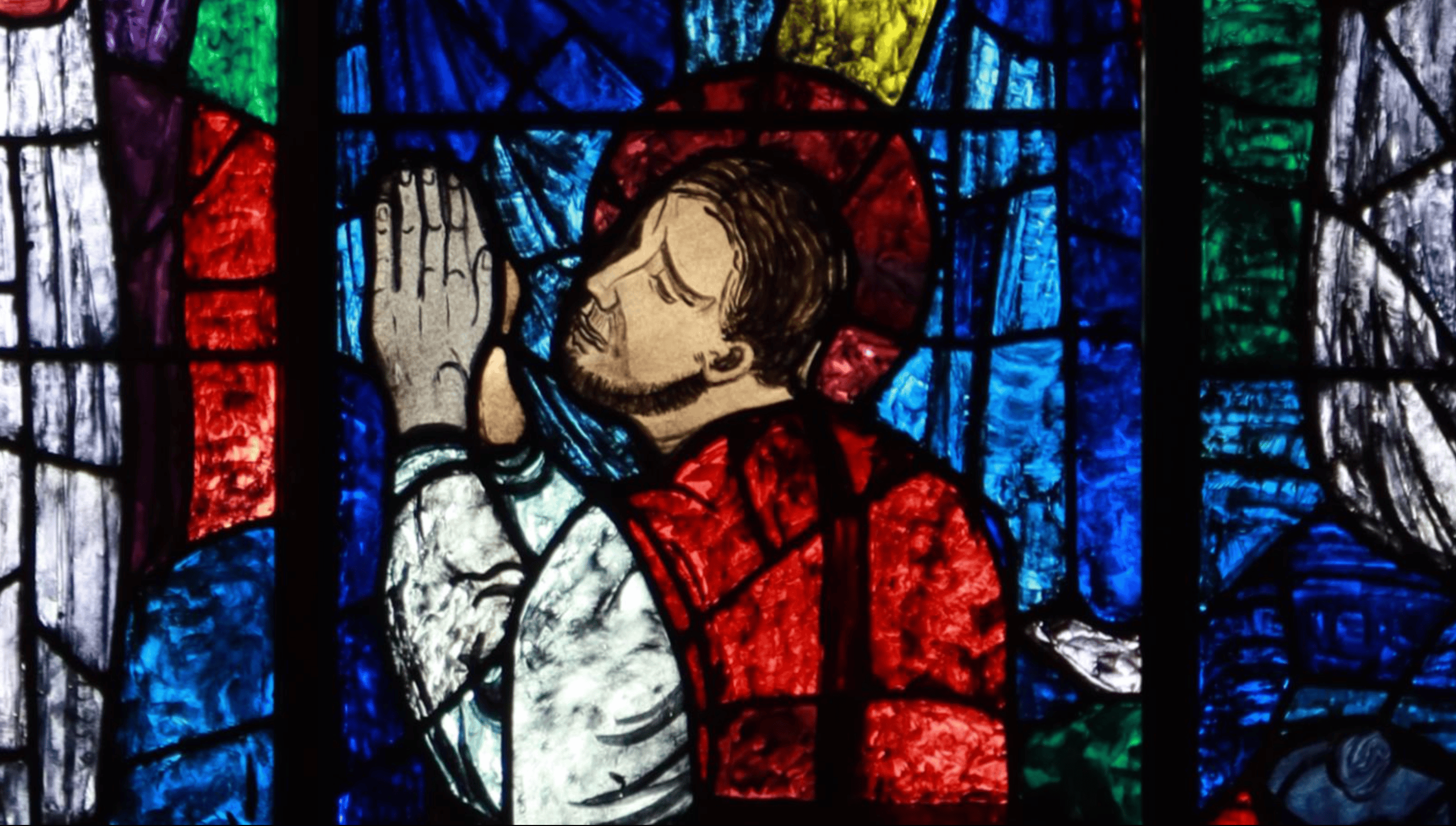
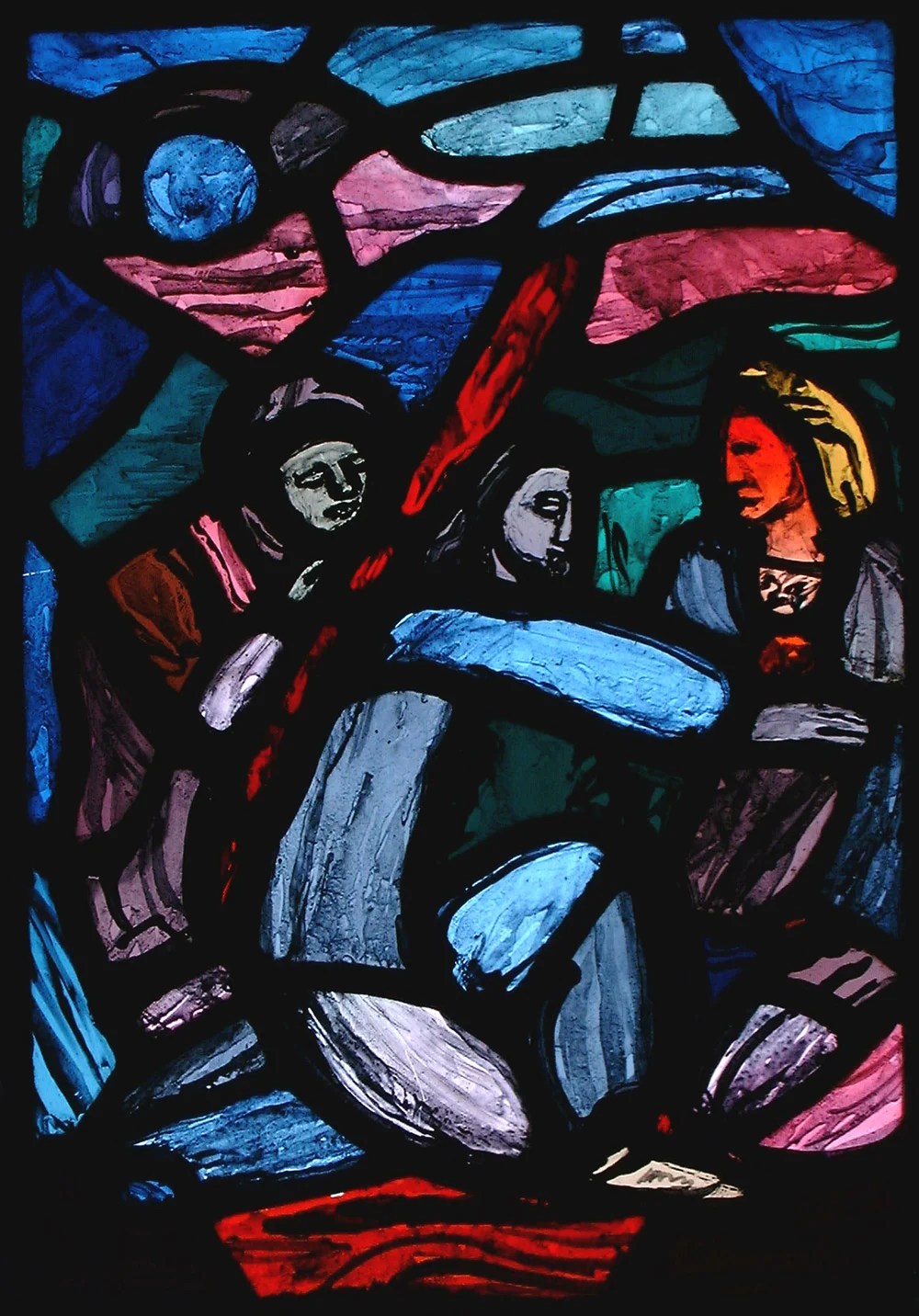
Evie Hone, became a renowned Irish stained-glass artist, who lived and worked in Marlay Park, specifically in the Dower House located within the park’s courtyard, where she established her studio in Marlay House. She is best known for her work in stained glass, a medium she began exploring in 1933 after initially establishing a reputation as a painter in oils and gouaches. Hone joined An Túr Gloine, a prominent Dublin stained-glass cooperative, and remained there until its dissolution in 1944 following the death of Sarah Purser. After this, she set up her own studio at Marlay Grange, Rathfarnham, where she produced some of her finest works.
Her most celebrated piece is the large east window at Eton College Chapel, Windsor, completed in 1952, which covers 900 square feet and comprises over 40,000 pieces of glass, bringing her international fame. Other significant works include the ‘My Four Green Fields’ window, commissioned by the Irish government for the New York World Fair in 1939, which won first prize in its category. She also created windows for various churches across Ireland, including the Jesuit colleges at Tullabeg, Clongowes Wood, and Rockwell College, as well as the Church of St. Peter and Paul in Athenry.
Hone’s connection to Marlay Park is deeply celebrated, and events are held there to honor her legacy. A talk titled “Evie Hone, Stained Glass Artist of Marlay” was scheduled for 3 June 2025 at Marlay Park House, and another event on 30 April 2025 marked the 70th anniversary of her passing, taking place in the room next to her former studio. She died on 13 March 1955 while on her way to mass in Rathfarnham. Her artistic legacy, bridging modernist painting and stained glass, continues to be recognized, with her works featured in collections across Ireland, the UK and America.























 Knocklyon History Society