October 9th 2024

Title: ‘The Royal College of Surgeons in Ireland’
Speaker:  Dr. Ronan Kelly
Time: @ 7:45 PM
Location: Iona Pastoral Centre
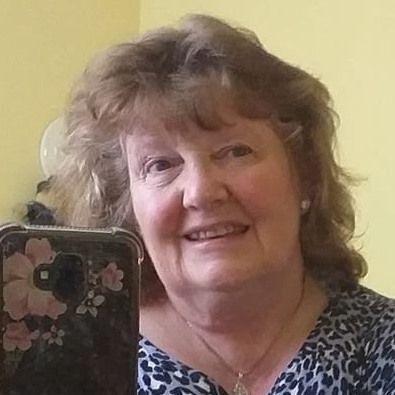
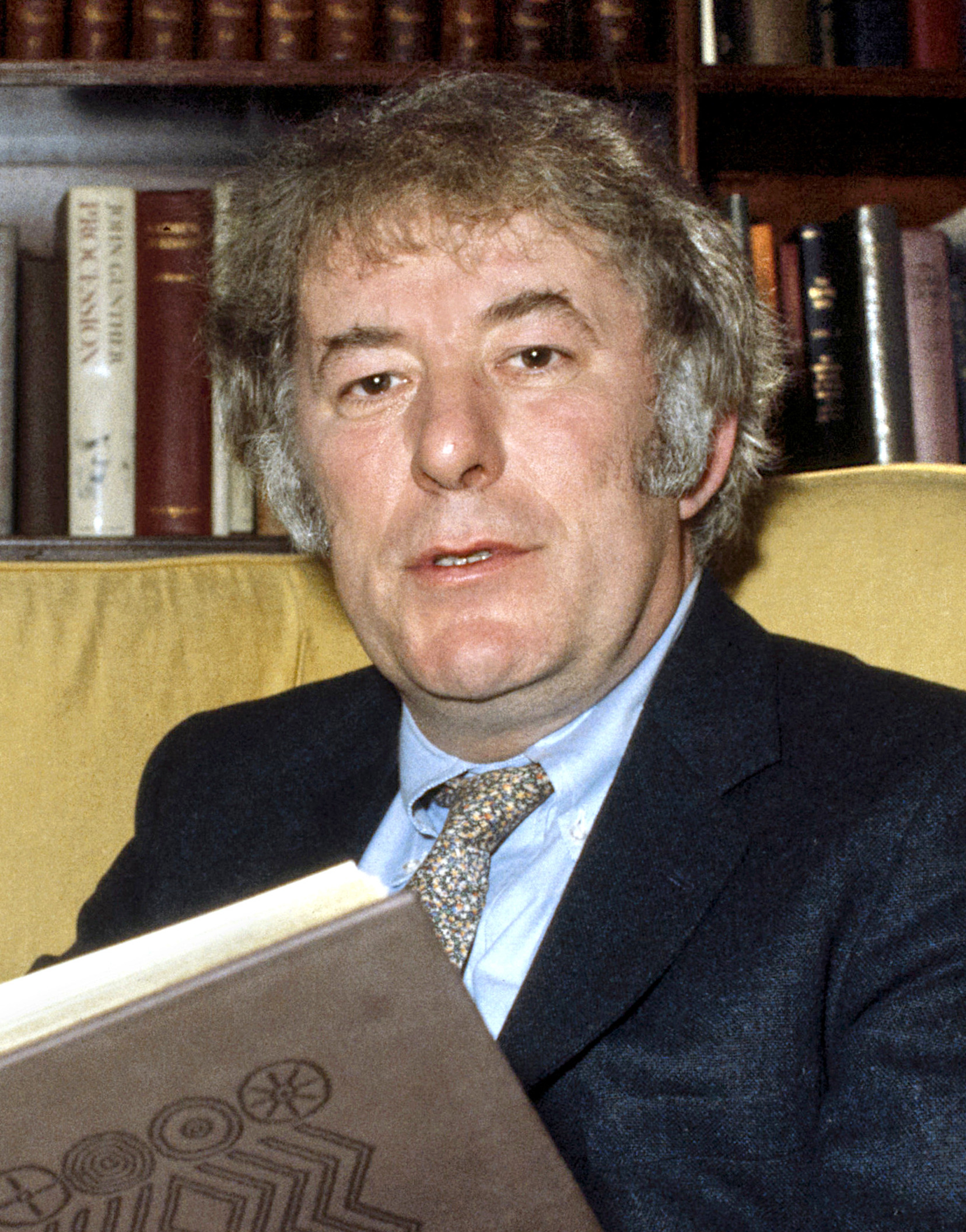
Dr. Ronan Kelly

Dr. Ronan Kelly is the author of ‘Every Branch of the Healing Art’: A History of the Royal College of Surgeons in Ireland, which “traces the evolution and impact of the institution since its foundation in 1784 when a small group of Irish surgeons broke ranks with the Guild of Barber-Surgeons to form the Royal College of Surgeons in Ireland”.

“It explores the institution’s national and international impact as a trailblazer in surgical and health sciences education, its legacy of driving global improvements in human health and maps its journey to becoming Ireland’s first health sciences university”. 

“The book also sheds new light on periods of huge social change and unrest, exploring RCSI’s journey through two World Wars, the 1916 Rising, right up to its response to the Covid-19 pandemic, the second that the institution has endured” 

“Speaking of his process when compiling an almost 250-year history, Dr Ronan Kelly said, “RCSI’s story is a gift to a writer – it already pulses with dramatic life. It’s an extraordinary privilege for me to get to share this story with others now.” “

“Dr Maurice Manning, Chancellor, National University of Ireland, is the chair of the book’s editorial board. He said: “From nineteenth-century body snatchers to the 1916 Rising, through two pandemics and two world wars, with a vivid cast of characters, and reaching right to the present day, this book is a fast-moving narrative of a great Irish – and, in recent times, global – institution.” “

Source: RCSI – News

Source: RSCI via YouTube.com


September 11th 2024

Title: Raising Dublin, Raising Ireland: A Friar’s Campaigns
Speaker:  Fergus A. D’Arcy (U.C.D.)
Time: @ 7:45 PM
Location: Iona Pastoral Centre


Professor Fergus D’Arcy, M.A., Ph.D., F.R.Hist.S., is Professor Emeritus in modern history of University College Dublin (UCD).

He lectured in UCD from 1970, was Dean of the UCD Faculty of Arts through 1992 to 2004.

His publications include Terenure College, 1860-2010 (Dublin, 2010), Horses, Lords and Racing Men: the Turf Club, 1790-1990 (Kildare, 1991) and the award winning Remembering the War Dead: British Commonwealth and International War Graves in Ireland Since 1914 (Dublin, 2007).


John Spratt, Carmelite and Dubliner, (1796-1871) was one of the foremost campaigners in a host of social, religious and political causes in nineteenth century Ireland.

Above all else in his public life, he was a champion of the poor and dispossessed of Dublin and of Ireland. A member of the Catholic Association from 1824 and of the Repeal Association from its foundation in 1840, he led the efforts to achieve a reconciliation of the Repealers and Young Irelanders and was also a leading figure in the nineteenth-century temperance cause. He was the founder-member of the movement for the amnesty of Fenian prisoners.

His work for famine relief brought him to national eminence. The builder of Whitefriar Street Church and its associated schools for boys and girls, he was a leading figure in the revival of the fortunes of the Carmelite Order in Ireland in his age. 

More information at: fergusdarcy.com


May 8th 2024

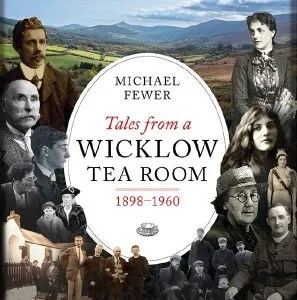
Title: Tales from a Wicklow Tea Room 1898-1960
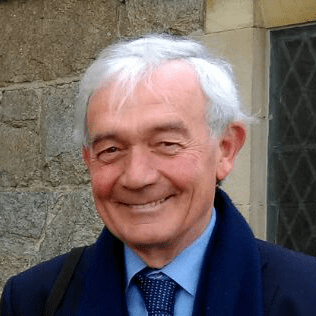
Speaker: Michael Fewer
Time: @ 7:45 PM
Location: Iona Pastoral Centre

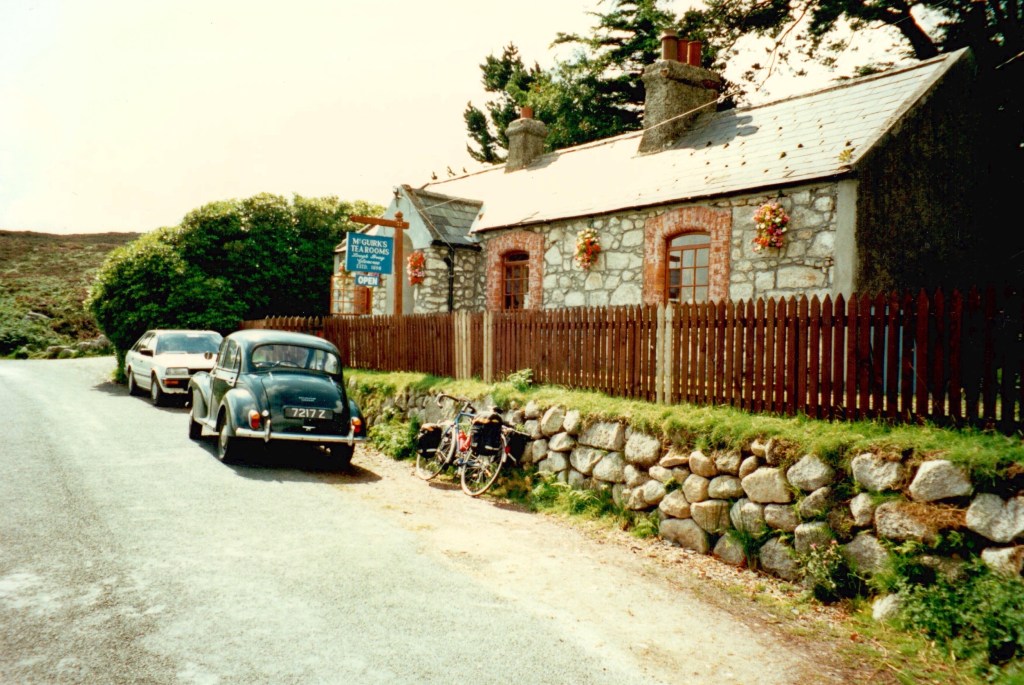
Tales from a Wicklow Tea Room, 1898–1960 tells the story of a tiny cottage in Glencree in the Wicklow Mountains and the tea room run there by the McGuirk family from the 1880s to the 1960s. It is about those who met and took tea at McGuirk’s during the most momentous years of Ireland’s history, and the world they inhabited.

McGuirk’s Visitors books were a unique collection that offered insights into the social, political, and cultural landscape of early twentieth-century Ireland. These books, contained over 13,000 signatures along with comments, poetry, and artwork left by the diverse array of guests.

The tea room served as a gathering place for a wide range of individuals, including poets, artists, writers, scientists, politicians, lawyers, and other influential figures of Irish society. Notable visitors included Arthur Griffith, J.M. Synge, William Beckett, Denis Devlin, Oliver St. John Gogarty, and many more. The entries in these books reflected the rising popularity of the Irish language and culture during that period, with an increasing number of notes written in Gaelic script. The books also shed light on the status of women, the backgrounds of various signatories, and the surprising number of Anglo-Irish individuals who later perished in World War I. McGuirk’s meticulous exploration of these entries revealed fascinating stories and connections, making the Visitors books a valuable historical and cultural resource.

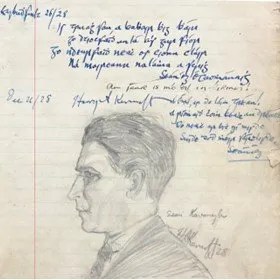
The artist Harry Kernoff was a regular, often in the company of teacher and lexicographer Seán Óg OCaomhánaigh, of whom he left a pencil portrait. On another occasion, he is accompanied by the artist Sean O’Sullivan and Shamrock Trench, the first woman to qualify for a pilot’s licence in Ireland. On this occasion, O’Sullivan left a beautiful sketch of Trench. Among the many poetic offerings in the books are verses by Mervyn Wall, Anthony Cronin and Denis Devlin.

Over this most formative period in Irish history, the cottage became a meeting place for poets, artists, writers, scientists, politicians, lawyers and, indeed, representatives of every aspect of Irish society, including some of early-twentieth-century Ireland’s most influential people. Among the host of visitors were Ellen Duncan, Arthur Griffith, Hugh Lane, J.B. Malone, Constantia Maxwell, Robert Lloyd Praeger, J.M. Synge, Mervyn Wall and Ella Webb.

Source: Micheal Fewer via writing.ie

McGuirk’s tea rooms 1996. Photo. robskinner.net

April 10th 2024

Title: Spike Islland
Speaker: Gerry Lovett
Time: @ 7:45 PM
Location: Iona Pastoral Centre

About the Author:

Gerard Lovett is a retired member of An Garda Síochána and retired as a detective inspector in the Garda Special Branch in 2004. Since then, he was general secretary of the Garda Síochána Retired Members’ Association for seven years and was editor of their quarterly magazine Síocháin. He has written numerous articles on police history and has regularly given lectures to historical societies on both garda and RIC history, as well as famous historical murder cases.

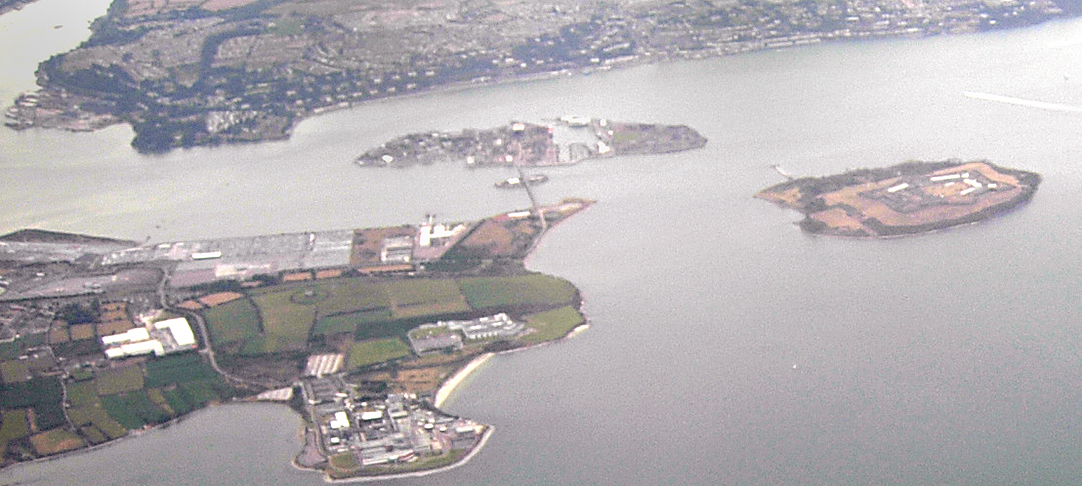
Spike Island’s strategic location within the harbour meant it was used at times for defence and as a prison. Since the early 21st century the island has been developed as a heritage tourist attraction,[4] with €5.5 million investment in exhibition and visitor spaces[5] and accompanying tourism marketing.[6] There were in excess of 81,000 visitors to the island during 2019, a 21% increase on 2018 numbers.[7][8] Spike Island was named top European tourist attraction at the 2017 World Travel Awards.[9]
Source: wikipedia

Gallery: click on images to enlarge.

Attributions:
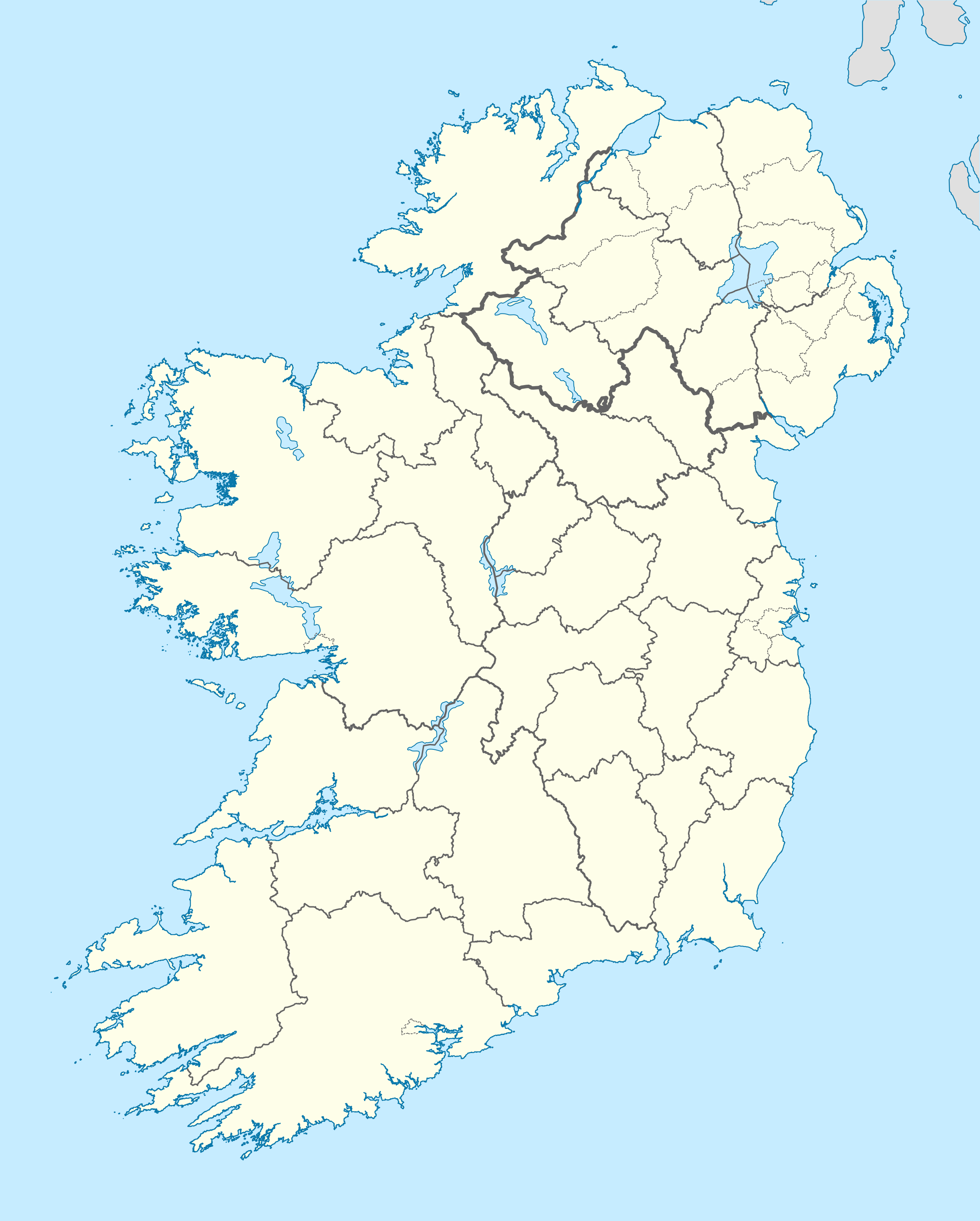
Spike Island Location Map
Aerial Photograph Cork Harbour
Entry of Fort Mitchel on Spike Island
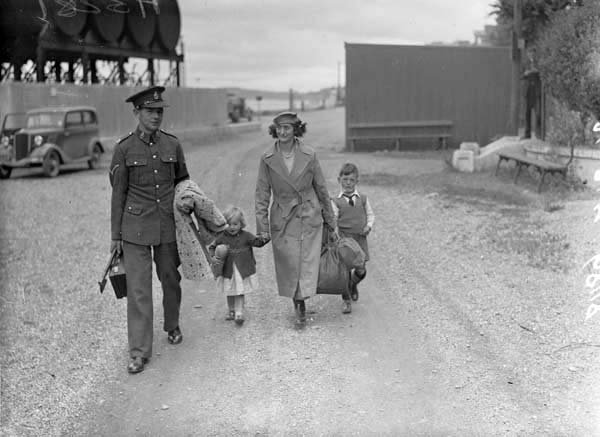
Evacuation of Spike Island
Lower Cork Harbour Basic Map
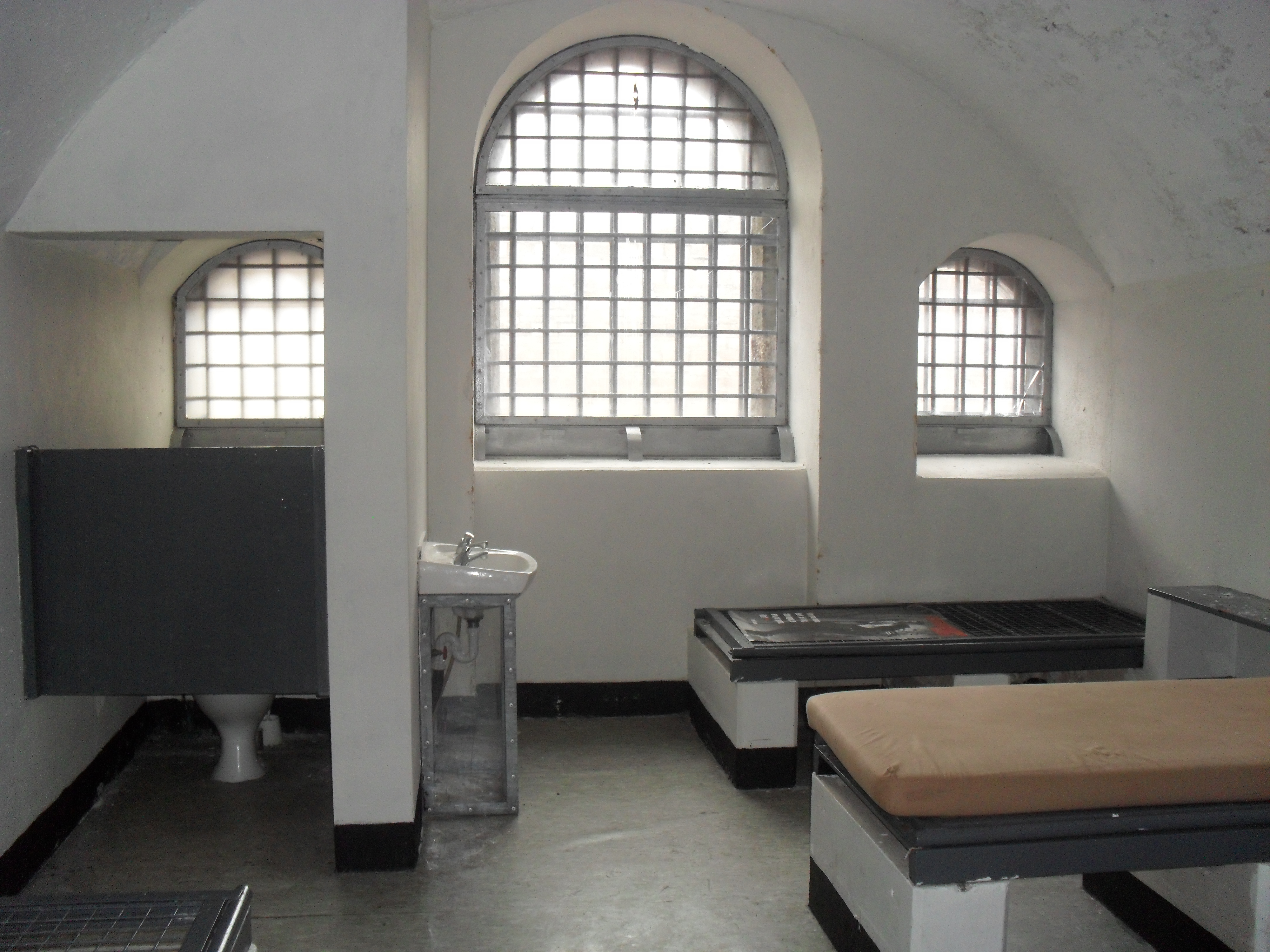
Spike Island Cell
Spike Island Fort Mitchel 6 inch Gun
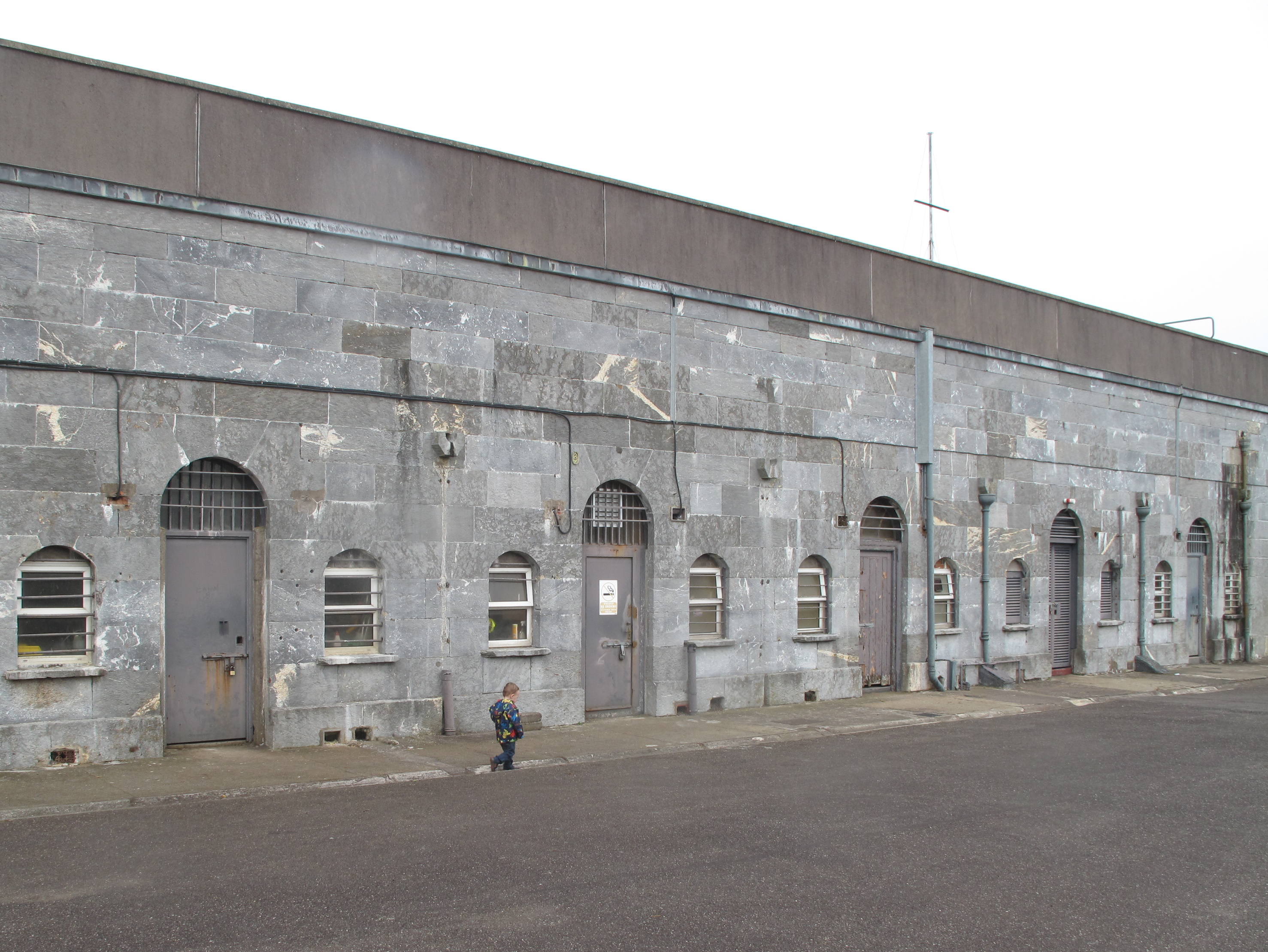
Spike Island Fort Mitchel Prison Block
Spike Island Cork Harbour Rough Plan


March 13th 2024

Title: The 1973 Escape from Mountjoy Prison by Helicopter
Speaker: Dr Mary Muldowney, 
Time: @ 7:45 PM
Location: Iona Pastoral Centre

About the Author:
Mary Muldownney – Historian in Residence – Dublin North-West at Dublin City Council
Source: Linkedin page.

Quote: “My employment history includes research and writing, lecturing and training and project management. My current role as Historian in Residence for Dublin City Council involves all of the above, as well as enthusiasm for meeting people and encouraging them to engage with their own histories. In January 2024 I moved my area of responsibility from Dublin Central to Dublin North-West.

I am the author of books and journal articles based primarily on oral history interviews. These are in addition to a range of other publications (see indicative list below)”.

Sample list from 20 publications (via LinkedIn)

  • With Kelly Fitzgerald, “Oral Life Stories” in Liam Harte (Ed.), The History of Irish Autobiography.With Kelly Fitzgerald, “Oral Life Stories” in Liam Harte (Ed.), The History of Irish Autobiography.Cambridge University Press · Jan 1, 2018Cambridge University Press · Jan 1, 2018
  • “The brief and troubled life of the Sunday Journal” The Sunday Papers. The History of Ireland’s Weekly Press. “The brief and troubled life of the Sunday Journal” The Sunday Papers. The History of Ireland’s Weekly Press. Four Courts Press · Jan 1, 2018Four Courts Press · Jan 1, 2018
  • “That crazy idea of giving women the vote” in They didn’t go away. Women after the 1916 Rising.“That crazy idea of giving women the vote” in They didn’t go away. Women after the 1916 Rising.Stoneybatter & Smithfield People’s History Project · Jan 1, 2017Stoneybatter & Smithfield People’s History Project · Jan 1, 2017

The Mountjoy Prison Escape by Helicopter 1973

The Mountjoy Prison helicopter escape occurred on October 31, 1973, when three Provisional Irish Republican Army (IRA) volunteers escaped from Mountjoy Prison in Dublin, Ireland, by boarding a hijacked helicopter that briefly landed in the prison’s exercise yard. The escape was a major event that made headlines around the world and was an embarrassment to the Irish coalition government led by Fine Gael’s Liam Cosgrave.

The escapees, Seamus Twomey, J. B. O’Hagan, and Kevin Mallon, were recaptured within months, but the incident was a significant blow to the government’s security measures and led to a massive manhunt involving 20,000 members of the Irish Defence Forces and Garda Síochána.

AP Interview with helicopter pilot Captain Thompson Boyes, 1973.

Source: Associated Press

Photo Gallery: Click on any image to open the Gallery.
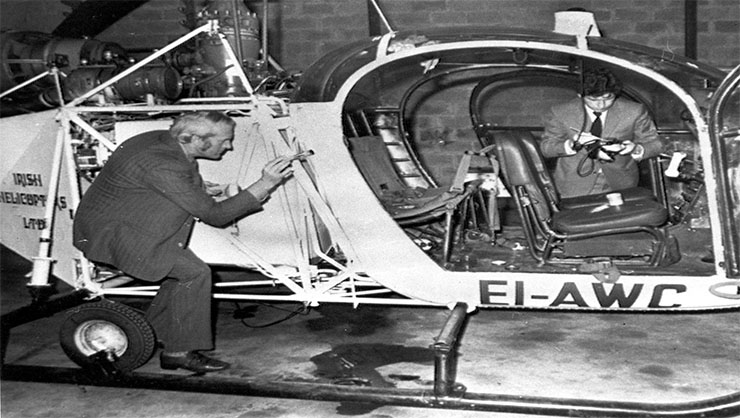
An example of the Aérospatiale Alouette II helicopter used in the escape, with actual photos from a forensic examination of the helicopter used (2 photos), and the reporter Tom McCaughren reporting on the event for the main TV channel in Ireland RTÉ from Mountjoy Prison.
Sources: commons.wikimedia.org; dublinfestivalofhistory.ie; anphoblacht.com; The Irish News (2 images).


Éalú (Escape) – Mountjoy Prison
– originally a TG4 docudrama. (Irish language with English subtitles)

Source: A Troubled Land Archive


IRA Mountjoy Helicopter Escape: Up and Away

Source: PushPull Production.
A 2021 update documentary as told through the eyes of four men who were in the prison that day, two Wardens and two Republican prisoners. This documentary illustrates how a 60 second event that took place over 50 years ago is imprinted on the memory of those who witnessed it.


February 14th 2024

Title: A Ramble about Tallaght
Speaker: Albert Perris
Time: @ 7:45 PM
Location: Iona Pastoral Centre

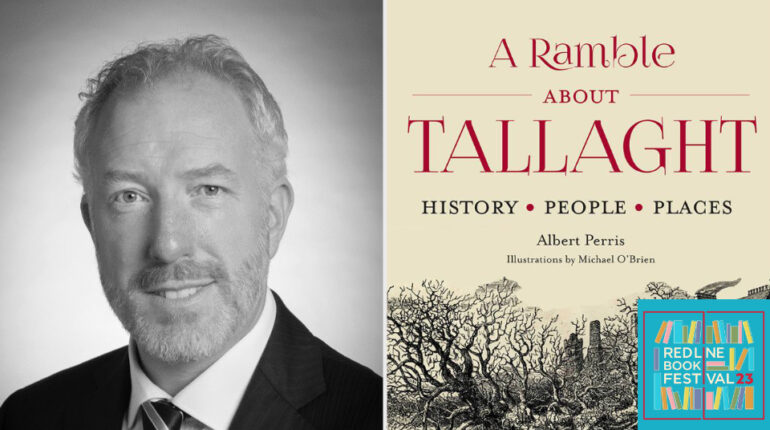
A Ramble about Tallaght

From its first mention in legend in the Book of Invasions, through early Christian monastic settlements, castles and grand residences, Fenian raids and the Battle of Tallaght, there has been huge change in Tallaght. In more recent times it has seen car and motorcycle racing, an aerodrome, the rise and fall of a chocolate factory and a pioneering telecommunications firm. The massive population explosion and rapid modernisation towards the end of the twentieth century means this once-tiny village in Dublin’s foothills is now home to over 80,000 people.
Source: Amazon.com

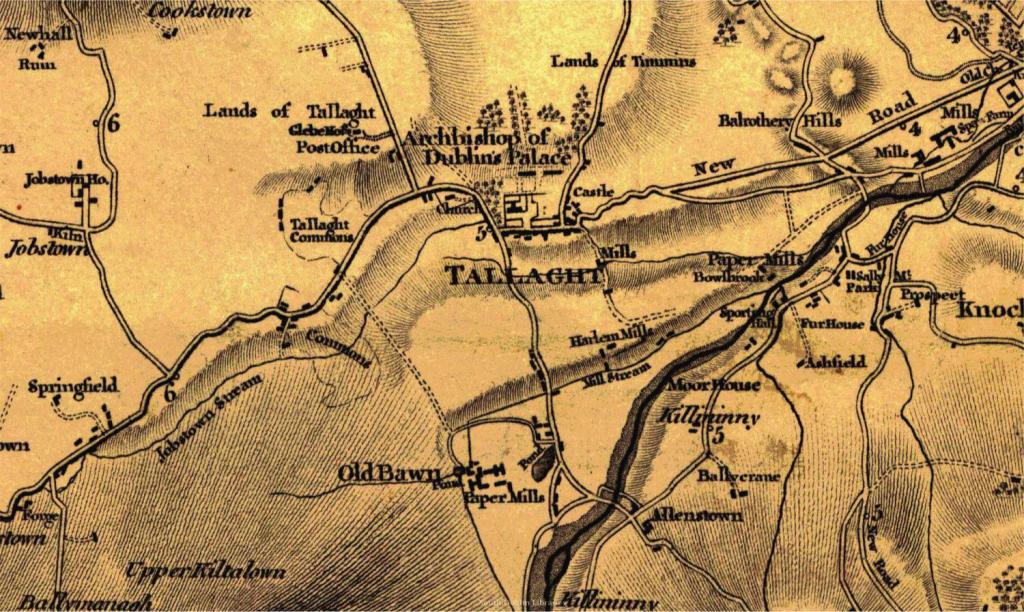
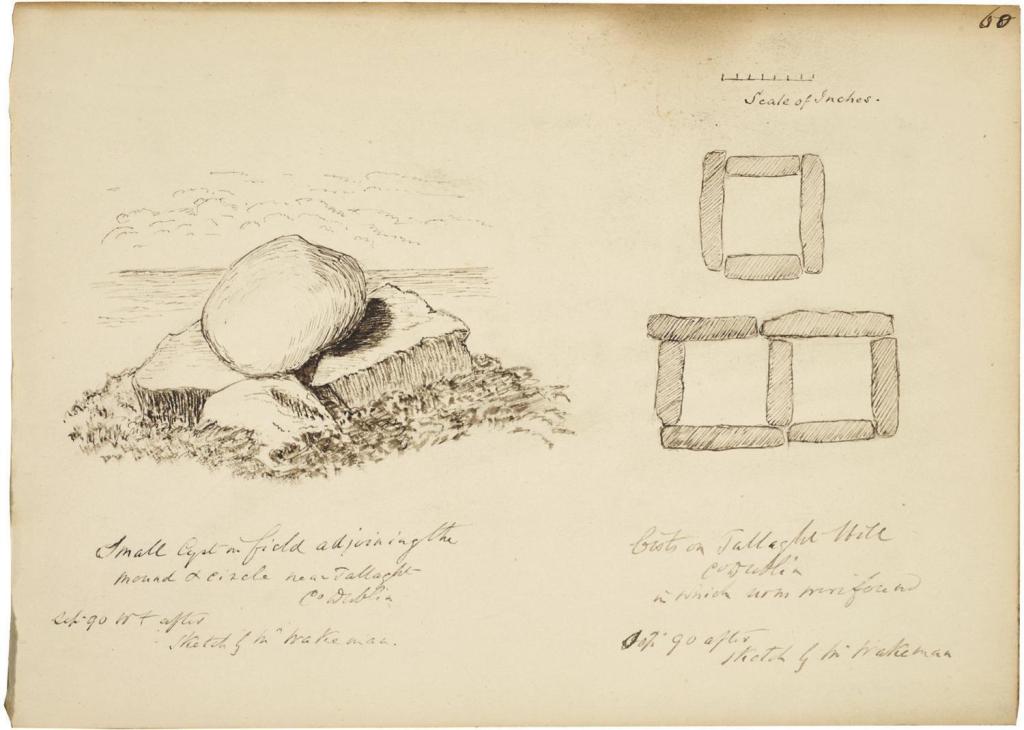
Gallery of images from ‘A Ramble about Tallaght’ – Click to Enlarge

Source: Amazon.com

About the Author

Albert Perris was born in Tallaght in 1972. He has had a successful career in the community and voluntary sector for 25 years, managing and developing community, voluntary and social services throughout Ireland. He has served as National Manager of Specialist Services with the Society of Saint Vincent de Paul, Interim Head of Services with the national charity Alone, and CEO of national service provider Respond Support. Albert started his career as Co-Founder of the Tallaght Homeless Advise Unit in 1994, which resulted in him become involved in Social Research, undertaking numerous Social Research assignments in Tallaght, Clondalkin and Blanchardstown.

1999 saw the publication of “Since Adam was a boy: An Oral Folk History of Tallaght” (TWS), preserving for future generations, the oral histories and memories of some of Tallaght’s oldest residents, collected  and collated over a two year period. 

His work was published by the Forum on Youth Homelessness (2000), Blanchardstown Area Partnership (2000) and Clondalkin Partnership (1999).

After this Albert became heavily involved in Reminiscence Work with older people in Ireland, for which he was awarded a Social Entrepreneurs Award in 2009 for establishing a national initiative Reminiscence Ireland. He has trained Reminiscence Practitioners throughout Ireland. Through his passion for Reminiscence Work and Oral History, he discovered an equally enduring passion for Local History and its role in Community Identity and development. This led him to undertake “A Ramble About Tallaght”.

His book is richly illustrated with period photographs and original drawings by Michael O’Brien,

Source: Amazon.com & civictheatre.ie


January 10th 2024

Title: Saint Brigid
Speaker: Jacqui Dalton.
Time: @ 7:45 PM
Location: Iona Pastoral Centre

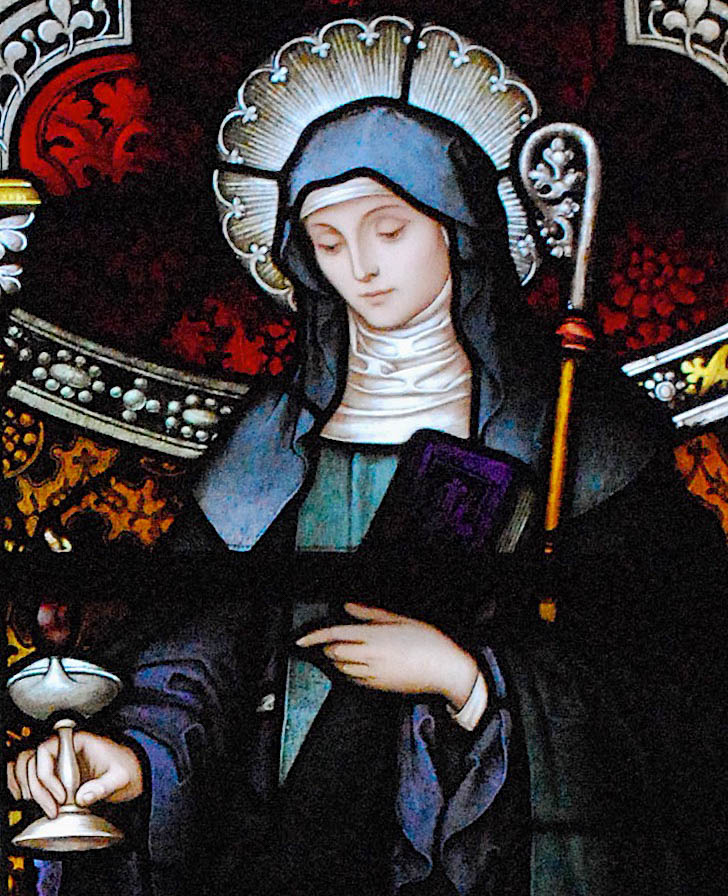
Saint Brigid of Kildare. Stained glass window at St. Joseph Catholic Church in Macon, Georgia, United States

Saint Brigid of Kildare or Saint Brigid of Ireland (IrishNaomh BrídClassical GaelicBrighidLatinBrigida; c. 451 – 525) is the patroness saint (or ‘mother saint’) of Ireland, and one of its three national saints along with Patrick and Columba. According to medieval Irish hagiographies, she was an abbess who founded the important abbey of Kildare (Cill Dara),[4] as well as several other convents of nuns.

St. Brigid’s Cross – image via media.amazon.com

They say Brigid was the daughter of a chieftain and a slave woman, and was raised in a druid‘s household before becoming a consecrated virgin. She is patroness of many things, including poetry, learning, healing, protection, blacksmithing, livestock and dairy production.
Source: wikipedia

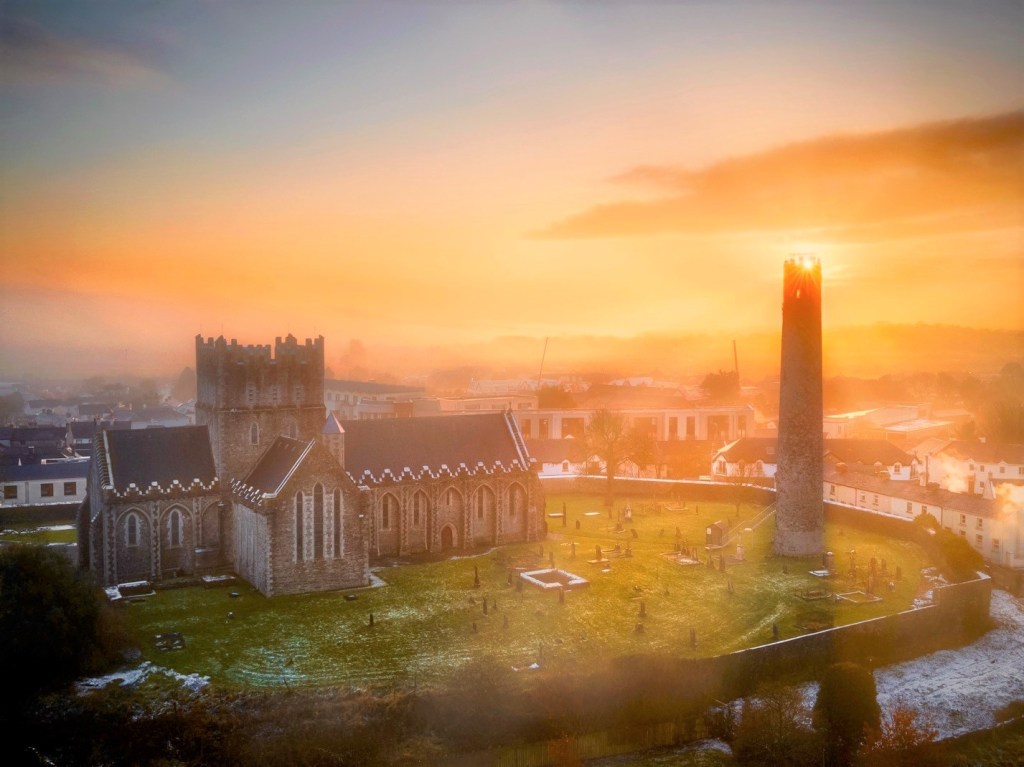
Kildare Cathedral image by Markiemcg1.

Kildare Cathedral, or St Brigid’s Cathedral in Kildare, is one of two Church of Ireland cathedrals in the United Dioceses of Meath and Kildare. It is in the ecclesiastical province of Dublin. Originally a Catholic cathedral, it was built in the 13th century on the site of an important Celtic Christian abbey, which is said to have been founded by Saint Brigid in the 5th century. The site was taken over by the Protestant Church of Ireland following the Reformation. There is an Irish round tower in the cathedral grounds.
Source: wikipedia


Video: History of St. Brigid of Ireland.

Source: Catholic Online School

Video: Debunking Myths About St. Brigid of Kildare

Source: Unam Sanctam Catholicam

Brigid of Kildare, Pagan Goddess?
Link (above) to Phillip Campbell’s written summary debunking claims that Saint Brigid of Kildare was a “transmogrified Celtic goddess”.


Video: Making a St. Brigid’s Cross by Michael Fortune (Folklore.ie)

Source: Michael Fortune/Folklore.ie

November 8th 2023

Title: The Liberties
Speaker: Catherine Scuffil
Time: @ 8:00 PM
Location: Iona Pastoral Centre

Link HERE to Rocques Map of Dublin 1756 on the Harvard College website.
Zoom in to find the Liberties.

Catherine Scuffil has an MA in Local History from Maynooth University. She is currently the Historian in Residence for Dublin’s South Central area which includes the historic Liberties and some of the city’s oldest suburbs. Catherine has written a number of local history books and an abridged version of her MA thesis was awarded the Old Dublin Society’s silver medal in 2018.
Source: History on Your Doorstep.
Catherine’s other Liberties related works and initiatives:
Why are there so many churches in the Liberties?
Brushing Up: The Devil of Rialto Bridge
Gangs of Old Dublin: Liberty Boys and Ormond Boys http://file
The People of The Liberties and Their Role in the Easter Rising
Of Cobblestones and Jostle Stones

Catherine has also been involved in organising: Weaving in The Liberties and along with the Liberties Cultural Association won a major award in the category ‘Communities Reaching Out’ in the All-Ireland Pride of Place Awards.


October 11th 2023

Title: Warrenmount House Through Time
Speaker: Maria O’Reilly
Time: @ 8:00 PM
Location: Iona Pastoral Centre

Aoife: The talk will be preceded by the A.G.M. at 7.30 p.m. sharp.

If anyone has an item for the Agenda please let me know as soon as possible. Proposals for the committee are also welcome.

Subs for 2023/2024 are also due. Please have the sub in an envelope with name and email address clearly written. individual membership €15.00, couples €20.00.

Looking forward to seeing you all,
Aoife

WARRENMOUNT HOUSE: “This rather beautiful building is tucked away off Mill Street, near Blackpitts, in one of the last places you would expect to find a mansion like this.

The building dates to the 1790s and was home to Nathaniel Warren, High Sheriff of Dublin and later Lord Mayor. In a pique of modestly, he humbly named his residence Warrenmount … after himself.

In 1813 Warrenmount was transformed into a Carmelite convent and a school for girls was opened. Ownership later transferred to the Presentation Sisters. The building was extensively renovated in 2008 and is now occupied by the Warrenmount Community Education Centre.

The grounds of Warrenmount contains one of the only spots in Dublin 8 where the River Poddle emerges from its subterranean course and you can hear the famous river the trickling by”.

Source: Warrenmount House on Facebook

Warrenmount House Images: Click to enlarge.


September 13th 2023

Title: Séamus Ennis: An Fear Ceoil
Speaker: Dr James Cully
Time: @ 7:45 PM
Location: Iona Pastoral Centre

Aoife: You may remember the splendid talk James gave about the stained glass artist, Harry Clarke some years ago. I think we will enjoy some recordings of Séamus’ playing during the evening. It should be a very pleasant evening..

Seamus Ennis in 1955

Séamus Ennis (IrishSéamas Mac Aonghusa; 5 May 1919 – 5 October 1982) was an Irish musician, singer and Irish music collector.[1] He was most noted for his uilleann pipe playing and was partly responsible for the revival of the instrument during the twentieth century, having co-founded Na Píobairí Uilleann, a nonprofit organisation dedicated to the promotion of the uilleann pipes and its music. He is recognised for having preserved almost 2,000 Irish songs and dance-tunes as part of the work he did with the Irish Folklore Commission.[2] Ennis is widely regarded as one of the greatest uilleann pipers of all time.[2]

Source: en.wikipedia.org


Useful links:

Mise an fear ceoil: Séamus Ennis-Dialann Taistil 1942–1946
This book provides a fascinating insight into the life and work of piper and music collector Séamus Ennis during his period as full-time collector with the Irish Folklore Commission when he worked in counties Galway, Clare, Mayo, Donegal, Limerick and Cavan.
Authors: Séamus Mac Aonghusa agus Ríonach uí Ógáin


Music: The Rainy Day/The Merry Blacksmith/The Silver Spear