Title: Daniel O’ Connell 1775 – 1847
Speaker: Patrick Geoghegan, Professor of History at Trinity College.
Presentation: 40 min. video followed by 10-15 mins. discussion.
Time: @ 7:45 PM
Location: Iona Pastoral Centre
Dear members,
This should be an interesting format so do attend.
Attendance at the last talk was a little down, hence the takings of the evening did not cover the costs. A considerable number of subs have not yet been renewed.
Looking forward to seeing you all.
Thanking you,
Aoife
Subs: €20 individual, €30 couples. No cheques please.
Money in named envelope.
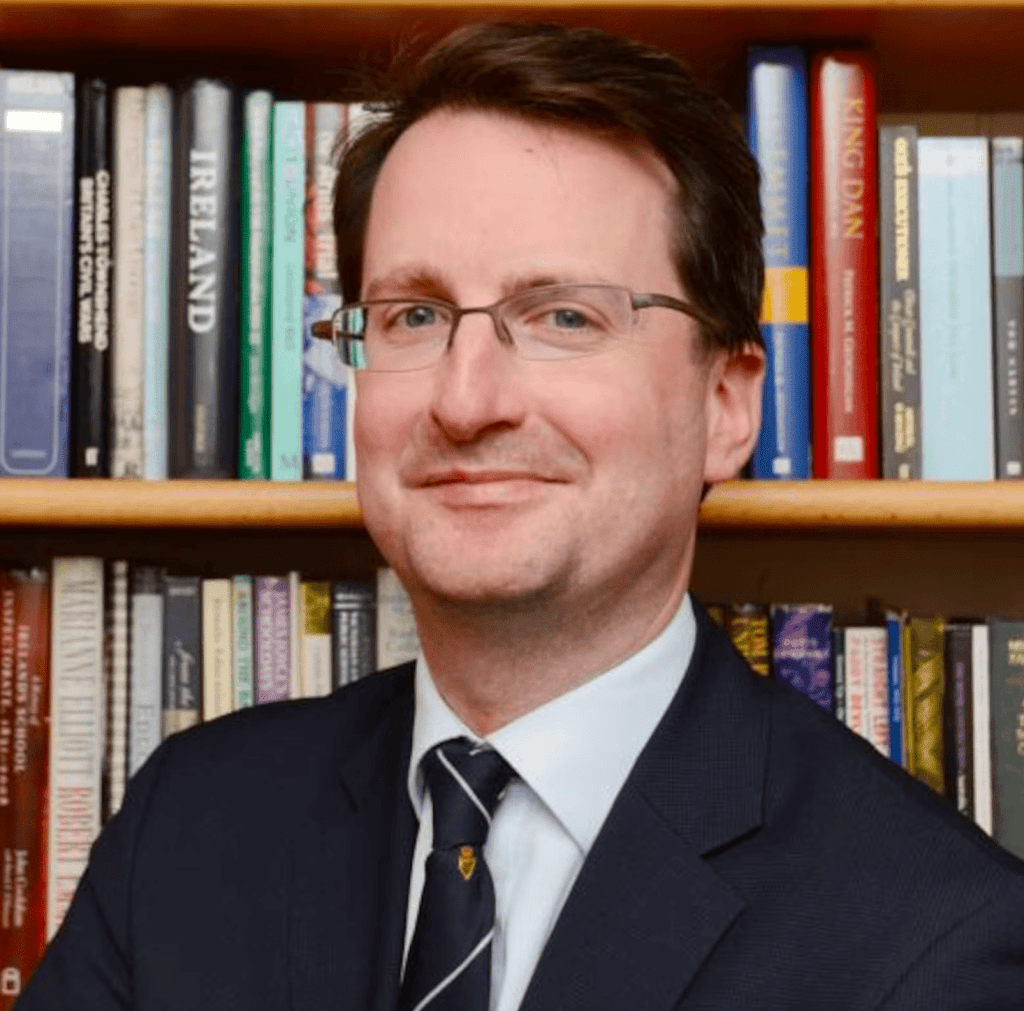
Professor Patrick Geoghegan is a leading historian at Trinity College Dublin, specializing in eighteenth and nineteenth century Ireland, particularly the Anglo-Irish relationship during this period. He has authored five monographs focusing on key historical figures and events such as the Irish Act of Union, the Robert Emmet rebellion, and Daniel O’Connell’s political and legal career, reshaping views on constitutional nationalism and republicanism. He has been teaching at Trinity since 2001 and is noted for innovative teaching methods, winning the Provost’s Teaching Award in 2009.
He has contributed extensively to public history and outreach, presenting the award-winning “Talking History” on Newstalk radio, which is widely popular in Ireland. He also wrote the text for the multi-award-winning O’Connell exhibition at Glasnevin Cemetery. Beyond teaching, he served as Senior Lecturer/Dean of Undergraduate Studies at Trinity, where he developed new admissions policies and outreach programs, including one to increase students from Northern Ireland.
In 2025, Professor Geoghegan was appointed Director of the Trinity Long Room Hub Arts and Humanities Research Institute, a key position showcasing his leadership in humanities research. He is also a Vice-President of the Irish Legal History Society and the College Historical Society, where he has been commissioned to write a history for its 250th anniversary.
Source: perplexity Ai
IMAGE GALLERY: Please click on an image to open the gallery.Then use the right & left arrows to move forwards or backwards through the images. Please allow a moment or two for the images to load in your browser.
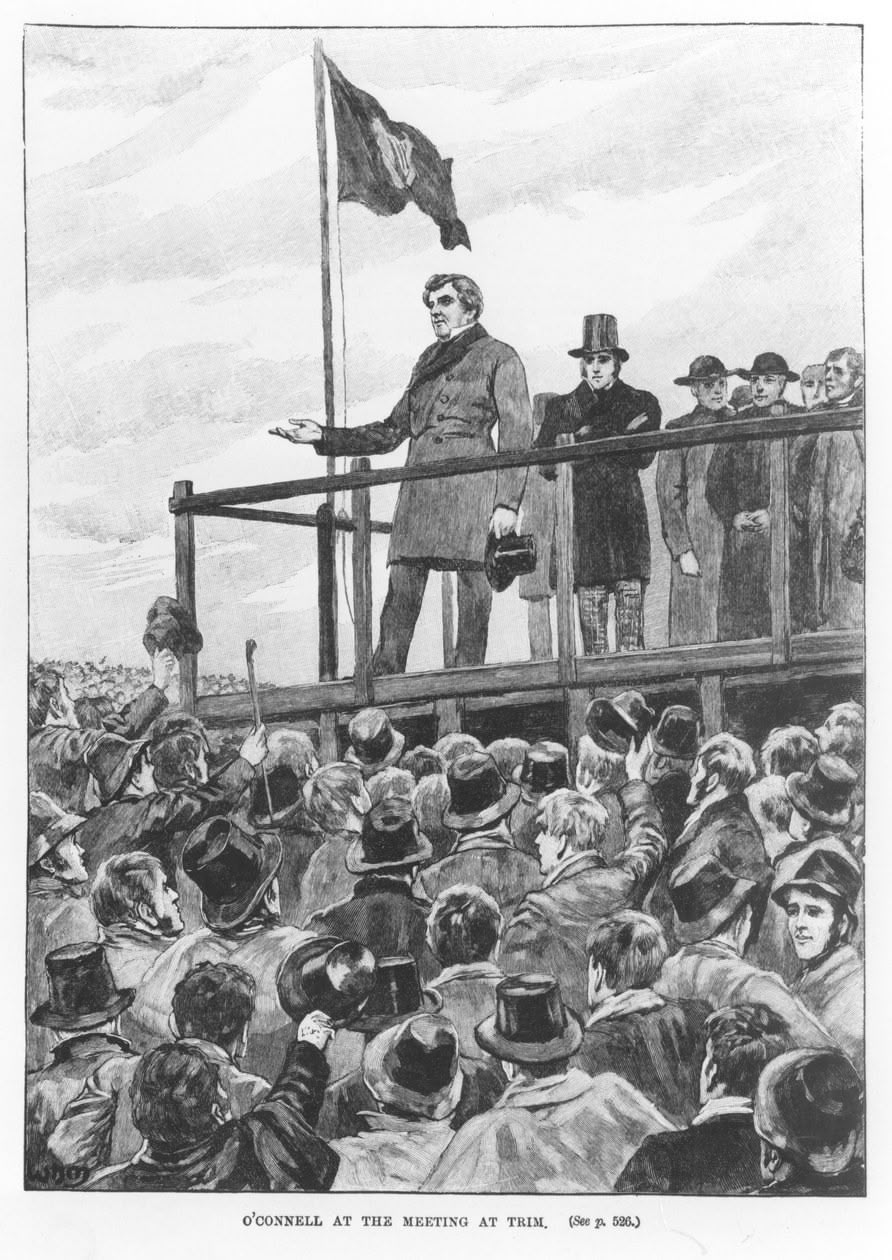

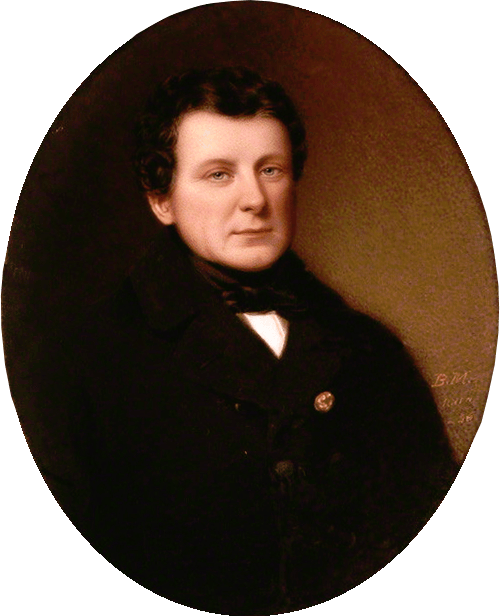


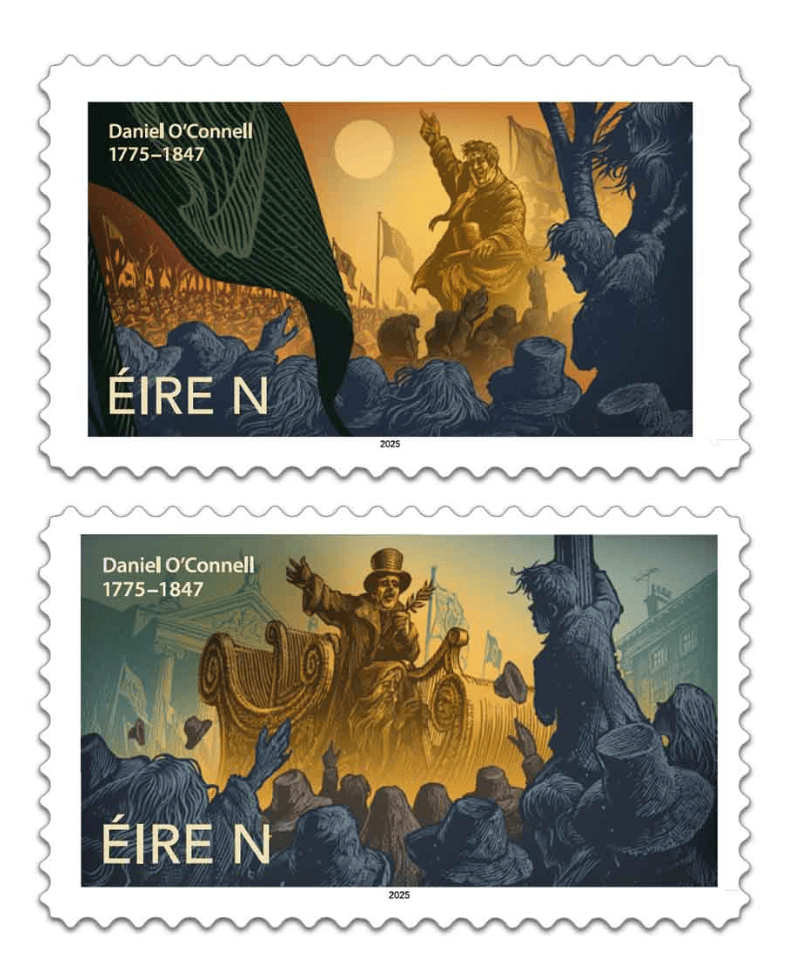
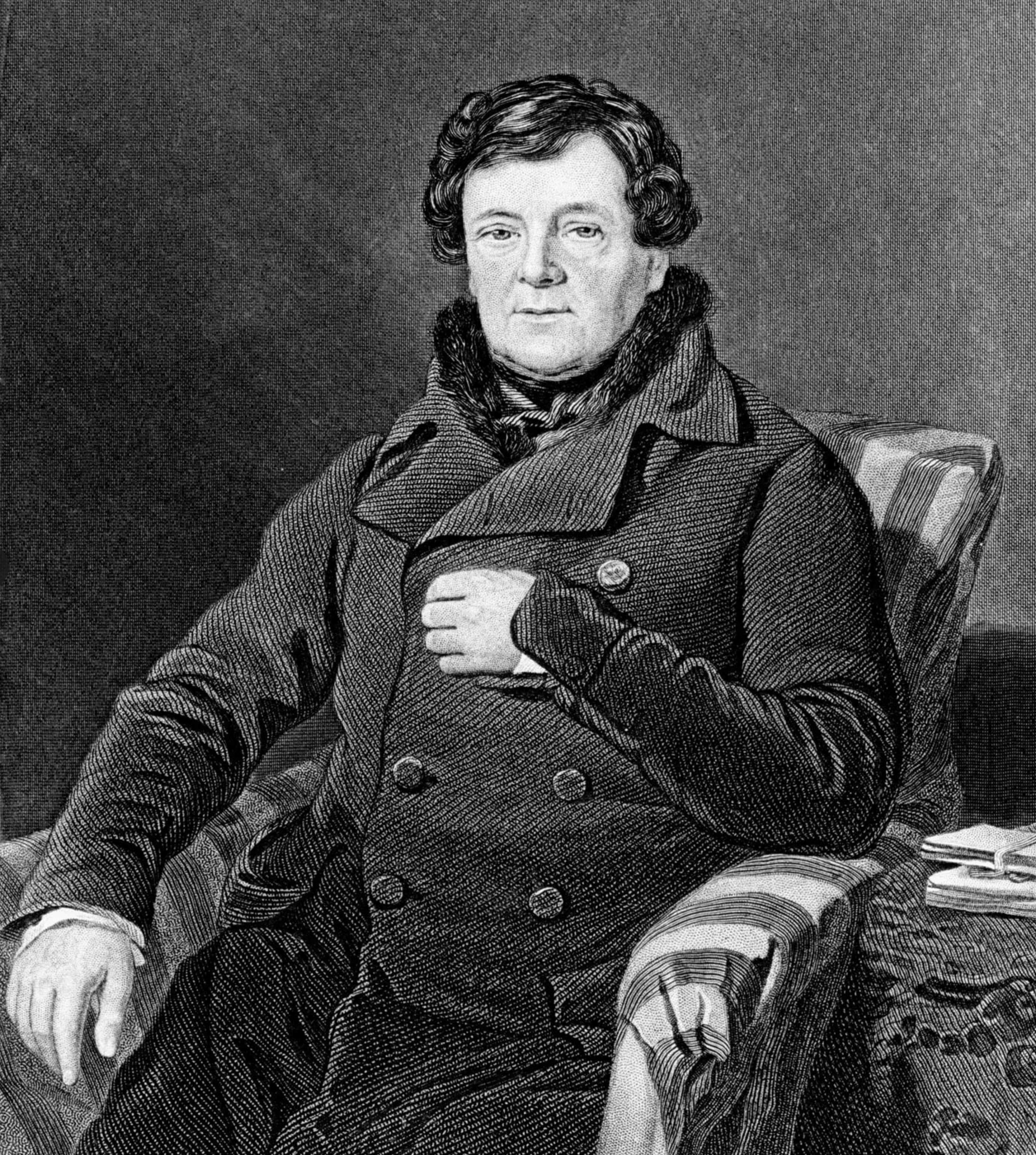
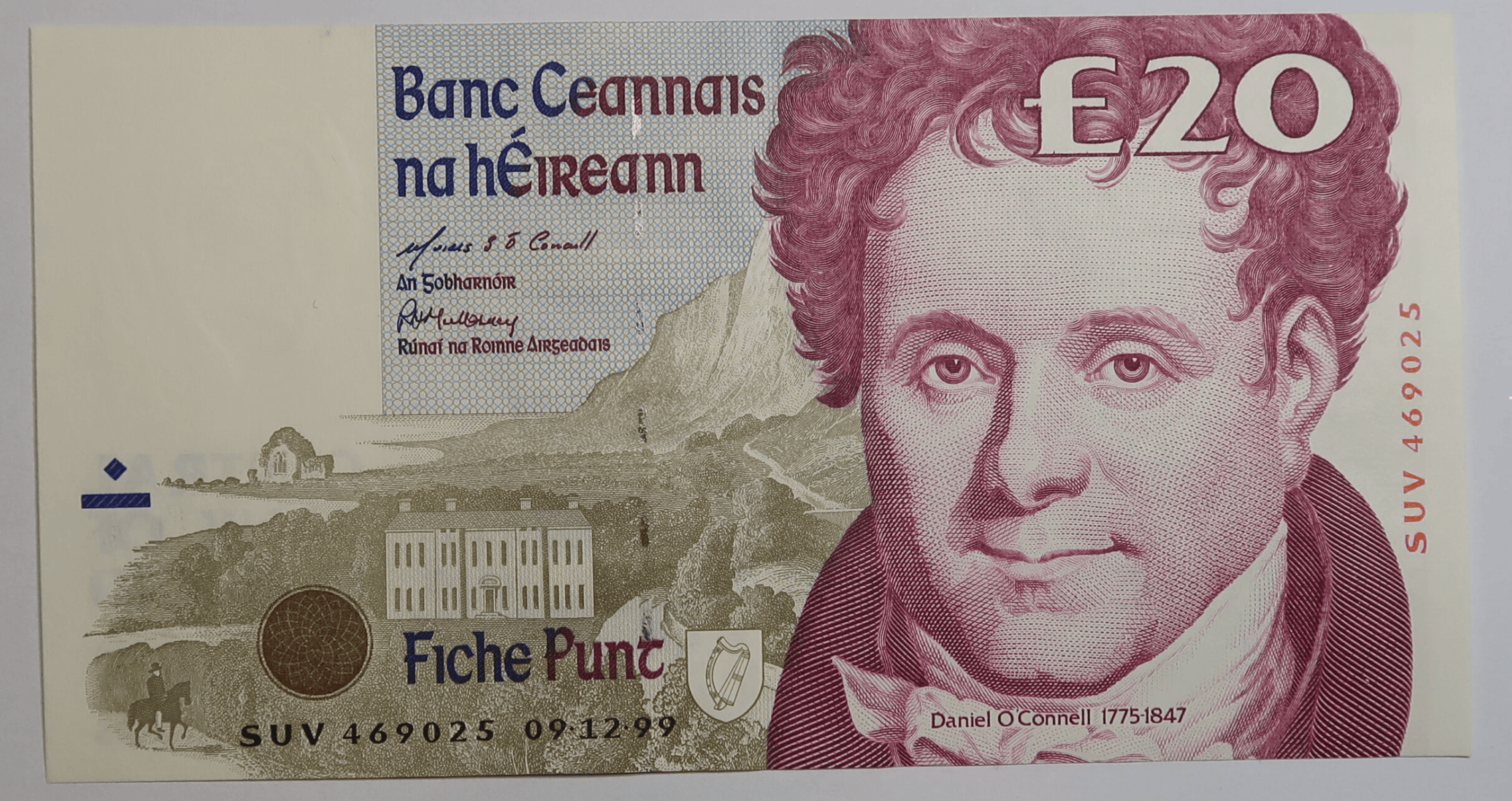
Daniel O’Connell (1775–1847), known as “The Liberator,” was a pivotal Irish political leader and lawyer who championed the rights of Ireland’s Roman Catholic majority in the early 19th century. He is most famous for leading the campaign for Catholic Emancipation, which culminated in 1829 with the right of Catholics to sit in the British Parliament after over a century of exclusion under the Penal Laws. O’Connell founded the Catholic Association in 1823, mobilizing mass grassroots support across Ireland through peaceful, legal means to achieve this emancipation.
Born near Cahersiveen in County Kerry to a Catholic farming family, O’Connell was adopted by a wealthy uncle and educated in France and later in law in England and Ireland. His experiences during the French Revolution shaped his firm commitment to non-violence in political struggle. After the 1801 Act of Union abolished the Irish Parliament, O’Connell sought to repeal this union to restore Irish legislative independence, but despite his efforts and leadership of Irish MPs in Westminster, this goal was not achieved.
O’Connell’s political career included advocating for broader liberal reforms such as the abolition of slavery, rights for Jews and other minorities, penal reform, trade union rights, and secret voting. He was the first Catholic Lord Mayor of Dublin since the late 17th century. Despite setbacks including imprisonment in 1843, his campaign style—mass meetings known as “monster meetings”—influenced political mobilization beyond Ireland.
He died in 1847 in Genoa, Italy. O’Connell remains a complex and highly influential figure in Irish history, hailed for his non-violent activism and political achievements while also facing criticism and internal divisions within his movement in later years. His legacy endures in Irish public life, including the naming of Dublin’s main street, O’Connell Street, in his honour.
References:
- https://en.wikipedia.org/wiki/Daniel_O’Connell
- https://www.dctrust.ie/sites/admin/plugins/elfinder/files/dct/Education%20
Resources/1.7.Daniel%20OConnell%20Factsheet%20.pdf - https://www.britannica.com/biography/Daniel-OConnell
- https://www.natwestgroup.com/heritage/people/daniel-o-connell.html
- https://www.nli.ie/news-stories/news/marking-250-years-birth-daniel-oconnell
- https://askaboutireland.ie/learning-zone/primary-students/subjects/history/history-the-full-story/ireland-in-the-19th-centu/famous-irish-people/
- https://www.rte.ie/brainstorm/2025/0806/1071599-who-was-the-real-daniel-oconnell/
- https://www.clarelibrary.ie/eolas/coclare/people/daniel.htm
- https://www.dib.ie/biography/oconnell-daniel-a6555
Source: perpleixity.ai
Quote from a letter to Isaac Goldsmid dated 11 September 1829, O’Connell wrote:
“To my mind it is an eternal and universal truth that we are responsible to God alone for our religious belief — and that human laws are impious when they attempt to control the exercise of those acts of individual and general devotion which such belief requires.”
He expressed the view that religious belief is a matter solely between an individual and God, and condemned any human laws trying to govern such belief as blasphemous and tyrannical. This quote is part of his advocacy for freedom of conscience and civil rights for Jews, among others.
Source: wikiquote

Talk Main Themes & Points
- Daniel O’Connell’s Legacy: Geoghegan recounts O’Connell’s pivotal role in Irish history as a champion of Catholic emancipation, civil rights, and peaceful resistance.
- Statues and Symbolism: The talk begins with a reflection on the O’Connell statue in Dublin and the challenge of further commemorating his legacy.
- Political Achievements: O’Connell was the first Catholic Lord Mayor in almost 150 years (1841), achieved emancipation in the 1820s, and represented multiple constituencies, notably Dublin City.
- International Recognition: O’Connell’s support for abolition drew the praise of figures like Frederick Douglass and criticism from American slave owners. He spoke passionately against slavery, earning an international reputation for moral leadership.
- Courtroom Bravery: Anecdotes show O’Connell confronting judges and legal adversaries, making himself a symbol of resistance for Irish Catholics repressed under British rule.
- Dueling Controversies: Geoghegan discusses how O’Connell was both involved in and criticized for avoiding duels, highlighting his evolving rejection of violence.
- Faith & Personal Struggles: O’Connell’s return to Catholic practice, moral wrestling over his actions, and efforts to maintain integrity amid controversies (such as financial quarrels and confrontations with Young Ireland).
- Mass Movements & Reforms: His democratization of activism—crowdsourcing through penny subscriptions—and leadership of non-violent “monster meetings” are described as revolutionary for Irish self-determination.
- Peaceful Revolution: O’Connell’s decision to cancel potentially violent protests, his subsequent trial and imprisonment, and the mass public support illuminate his commitment to change by peaceful means.
- Impact & Reflection: The lecture closes with reflection on the modern reassessment of O’Connell, arguing his civil rights victories laid the foundation for Irish nationhood, and calling for further recognition of his legacy.
Source: perplexity.ai
 Knocklyon History Society
You must be logged in to post a comment.